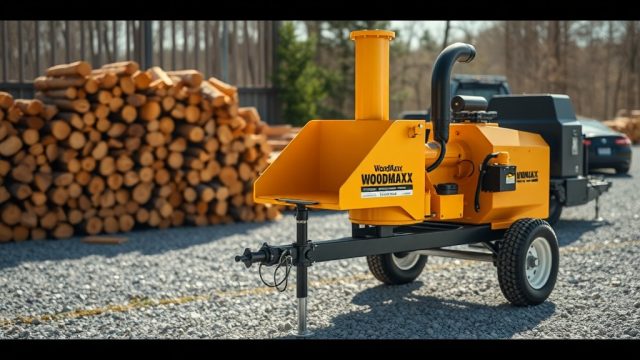
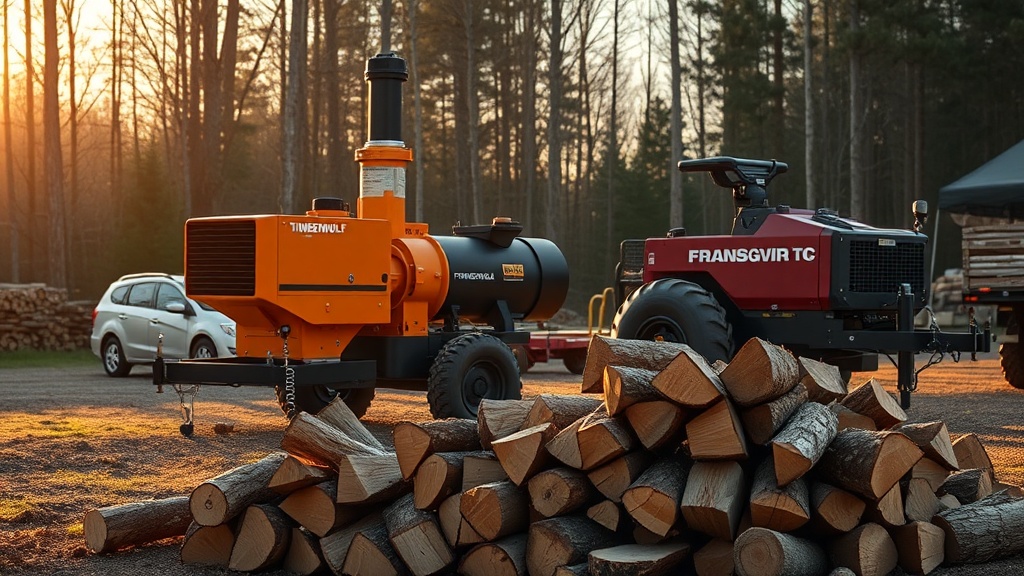
Timberwolf TW-PRO vs Fransgård TC-10: A Side-by-Side Comparison
When you’re in the market for a serious firewood processor, the Timberwolf TW-PRO and the Fransgård TC-10 represent two very different philosophies of machine engineering. Both will split and cut timber into firewood, but they diverge significantly in workflow, maintenance requirements, and operational costs. This comparison will help you weigh the strengths of the American-made Timberwolf against the Swedish-built Fransgård, focusing on what matters most for a mid-to-high volume operator.
How Do the Power and Hydraulic Systems Compare?
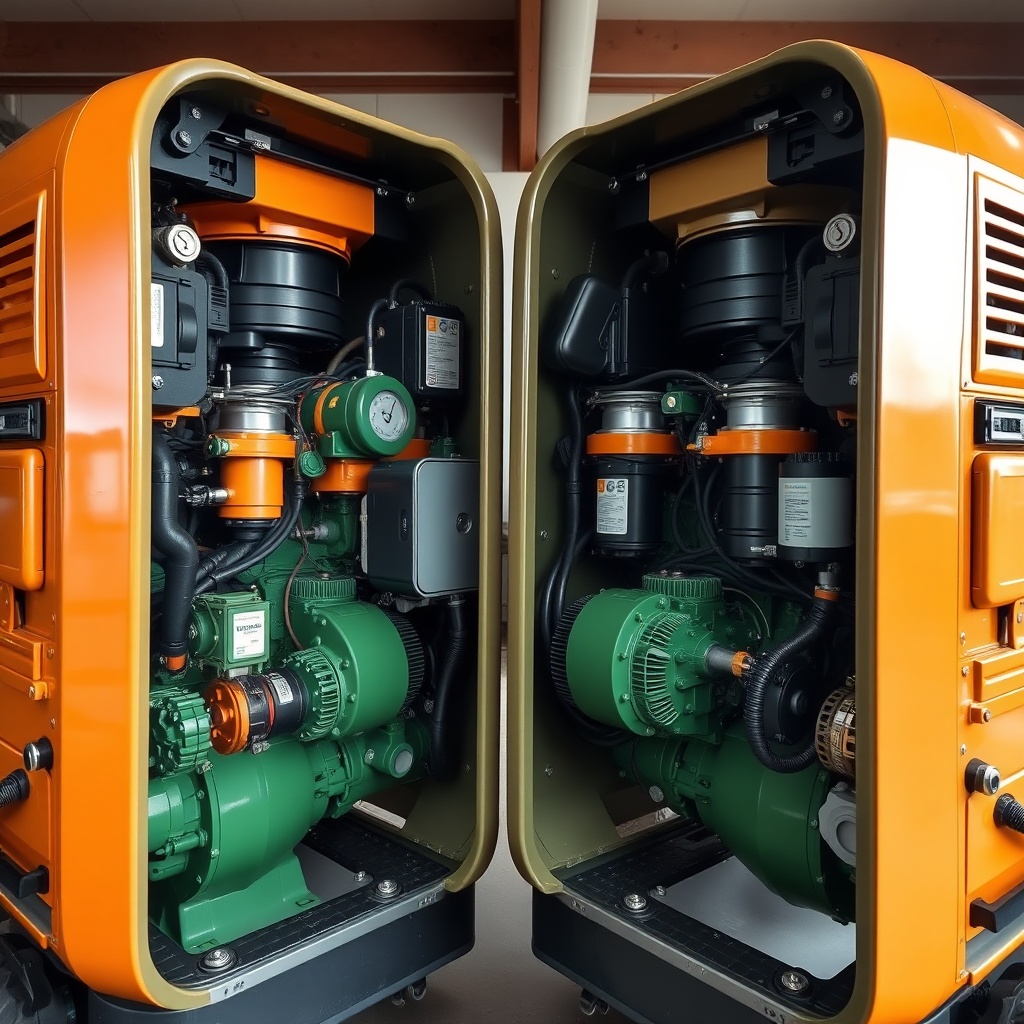
At the heart of the Timberwolf TW-PRO is a 27-horsepower Kohler CH740 gasoline engine with a dedicated hydraulic pump producing 22 GPM (gallons per minute) at 2,900 PSI. The Timberwolf TW-PRO Hydraulic System: Specs and Real-World Performance uses a two-stage pump that delivers high flow for the splitter and lower pressure for the conveyor, which helps manage heat in long-run use. The Fransgård TC-10 typically runs a 24-horsepower Kubota diesel (depending on year), with a hydraulic pump that pushes around 18 GPM but at a higher operating pressure of 3,200 PSI. On paper, the Timberwolf has more flow, meaning the cycle time on the splitter is slightly faster—especially noticeable when you’re processing wet or knotty hardwoods. The Fransgård’s higher pressure gives it more splitting force (roughly 24 tons vs 20 tons claimed on the TW-PRO), but in practice, the Timberwolf’s longer stroke and wider wedge options often make it more capable on big gnarly rounds. The Fransgård’s system is generally quieter and more fuel-efficient thanks to the diesel engine, but the Timberwolf is easier to work on yourself since the engine and pump are mounted on a simple frame, accessible without removing major guards.
One practical trade-off: The Timberwolf uses a single-pump design with a priority valve for the conveyor, while the Fransgård uses a separate gear pump for the conveyor. The Fransgård setup can be slightly more durable over many thousands of cycles, but it also adds complexity and cost if something goes wrong. If you’re running 50+ cords per season, the Timberwolf’s higher flow will save you measurable time; if you’re doing intermittent work and value quiet operation, the Fransgård’s diesel might be your preference.
What About Cutting Capacity and Splitting Capabilities?
The Timberwolf TW-PRO accepts logs up to 18 inches in diameter and 20 inches long in its standard configuration. The splitter wedge is 6-way adjustable (you can swap between standard wedge, 6-way star, or use the optional 4-way). The Fransgård TC-10 handles logs up to 9-10 inches in diameter on its standard conveyor (though some models have a larger chain saw opening up to 12 inches). The difference is stark: the Timberwolf is designed for larger rounds, while the Fransgård is optimized for smaller-dimension timber—often pulpwood or tops. If you’re cutting firewood from decent-sized logs (10–16 inches), the Timberwolf is far more practical because you don’t have to crosscut logs to a smaller diameter first. The Fransgård’s saw unit is a swing-frame design that cuts on the push stroke; the Timberwolf uses a linear saw slide with a hydraulic motor, which is faster and less prone to kickback. Splitting force also matters: The Timberwolf’s 22 GPM pump and 4-inch bore cylinder produce about 20 tons of splitting force at 2,900 PSI. The Fransgård’s 3.5-inch bore cylinder operating at 3,200 PSI yields around 24 tons. In real-world use, the Timberwolf splits faster because its wedge moves through the wood more quickly (the pump can deliver volume), whereas the Fransgård is slower but more forceful—good for stringy, fibrous species. If you process mostly oak and ash, the Timberwolf is fine; if you’re challenging elm, hickory, or frozen birch day-in and day-out, the Fransgård’s extra force might be worth the slower cycle.
Which Machine Is Easier to Transport and Set Up?
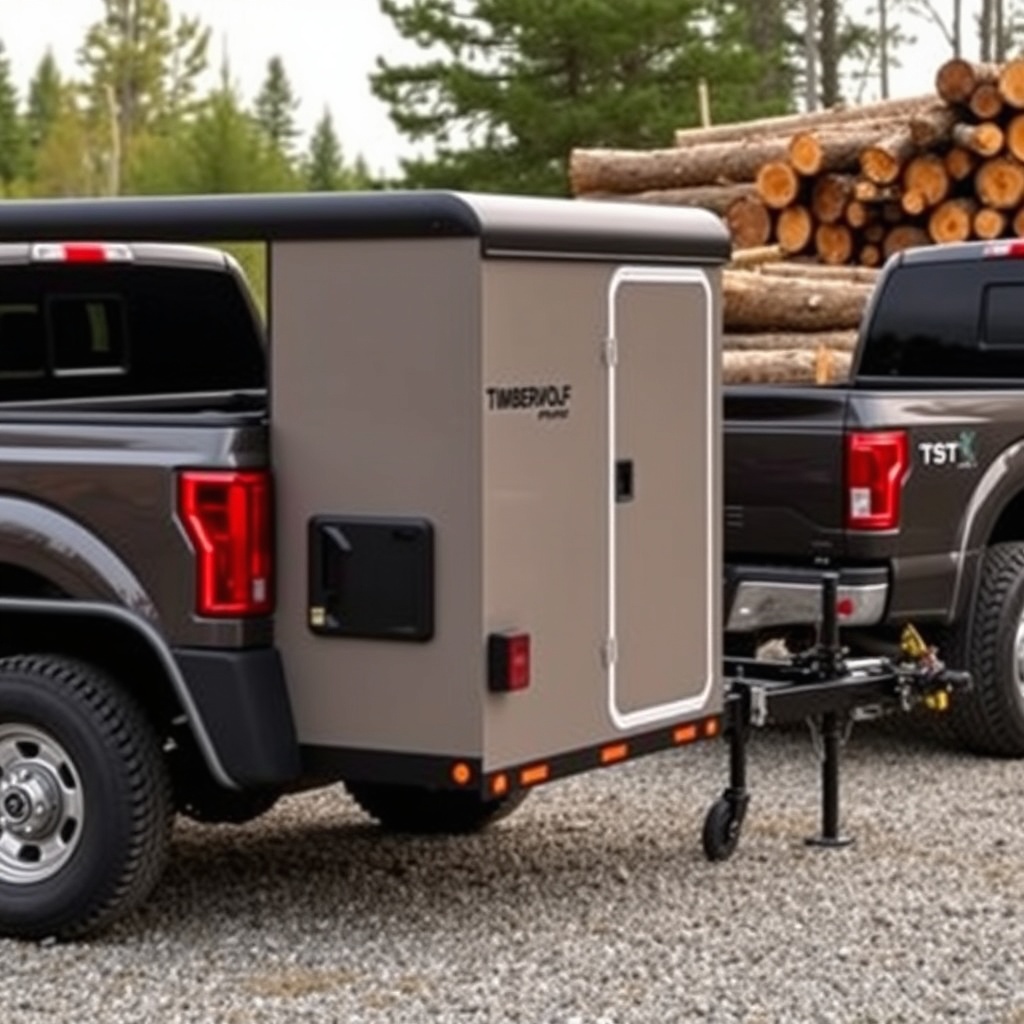
Transportability is a major differentiator. The Timberwolf TW-PRO is built on a single-axle trailer with highway-rated tires and comes standard with a 2-inch hitch coupler. It weighs around 2,100 pounds and tows well with a half-ton pickup. The Fransgård TC-10 is heavier—typically 3,000–3,500 pounds—and is often mounted on a tandem-axle trailer. It requires a larger tow vehicle and more careful weight distribution. The Timberwolf sets up in about five minutes: lower the stabilizing jacks, chock the wheels, plug in the optional 12V electric start (most TW-PROs have a recoil start as backup), and you’re running. The Fransgård’s setup is more involved because of its heavier conveyor and log deck; you need to level it precisely to keep the chain oiler working properly, and the hydraulic hoses are less forgiving of kinking during setup. That said, the Fransgård has a longer log deck (standard 8 feet vs Timberwolf’s 6 feet), so if you have longer logs, you might need fewer stops to load. For mobile operators who move between job sites weekly, the Timberwolf is the clear winner. For a permanent location or a large commercial firewood yard, the Fransgård’s heavier build may be acceptable, but you’ll pay for it in transport costs and time.
How Do Maintenance and Parts Availability Compare?
This is where the Timberwolf TW-PRO Maintenance Schedule: Keep It Running Smoothly makes a compelling case. Timberwolf uses off-the-shelf components: the Kohler engine, a Prince hydraulic pump, and standard Gates hydraulic hoses. You can buy a replacement filter at any auto parts store or Tractor Supply. The Fransgård uses a Kubota diesel engine (D905 or D1105 series) and proprietary hydraulic fittings that often require ordering from a specialized dealer. The Timberwolf’s oil filter and air filter are under $20 per change; the Kubota filters are at least twice that and sometimes backordered. The Timberwolf’s wedge and beam are simple to adjust: you can replace the shear pin or wedge insert with common tools. The Fransgård’s saw head has a more complex chain tension system that occasionally requires shimming. In terms of durability, the Fransgård frame is thicker steel (1/4 inch vs 3/16 inch on the Timberwolf), and its welds are generally cleaner—but that only matters if you’re abusing the machine with severely oversized logs. For typical domestic or small commercial use, the Timberwolf is easier to live with because you can source parts locally and do repairs yourself. The Fransgård is more robust if you’re running it 10 hours a day, six days a week, but you’ll need a relationship with a dealer who stocks parts.
What Are the Actual Production Numbers in the Field?
Real-world cord-per-hour production varies wildly with wood condition, but here’s a realistic baseline. The Timberwolf TW-PRO, in the hands of an experienced operator processing clean, straight oak rounds of 10–14 inches, can produce roughly 2.5 to 3.5 cords per 8-hour day, depending on log handling and how many operator interruptions you factor in. The Fransgård TC-10, with its shorter cycle time on smaller logs, can hit 3 to 4 cords per day under similar conditions—but only if logs are under 10 inches. Once you feed the Timberwolf larger rounds (14–18 inches), its production advantage becomes clear because you don’t spend time crosscutting. The Timberwolf also has a longer conveyor (10 feet standard vs 8 feet on the Fransgård), allowing you to stack more cord before moving the machine. In side-by-side trials by Northern Michigan firewood operations, the Timberwolf consistently out-produced the Fransgård on mixed-diameter wood, but the Fransgård was quieter and felt smoother. If you process mostly small-diameter pulpwood (top wood, pine, thinnings), the Fransgård may yield 10–15% more output per day. If you process standard firewood from tree-length logs with variable diameters, the Timberwolf is faster overall.
What about Pricing and Resale Value?
As of 2025, a new Timberwolf TW-PRO retails for approximately $16,000–$18,000 USD depending on options (like the 6-way wedge or electric start). A new Fransgård TC-10 ranges from $22,000–$28,000 USD, with the Kubota engine and heavier trailer accounting for much of the difference. On the used market, a 5-year-old Timberwolf TW-PRO in good condition typically sells for $10,000–$13,000 USD, while a comparable Fransgård TC-10 might fetch $14,000–$18,000 USD. The Timberwolf holds its value decently because it’s easier to sell to a broader audience (since parts are available). The Fransgård has a smaller but more dedicated buyer pool, often commercial operators willing to pay a premium for the diesel engine and perceived build quality. However, out-of-warranty Fransgård units can be harder to sell because the buyer knows parts are expensive and service may require a specialist. If you plan to keep the machine for 10 years and then sell, the Timberwolf typically has lower total cost of ownership. If you only keep it 2–3 years, the Fransgård may hold value better, but your initial investment is significantly higher.
| Feature | Timberwolf TW-PRO | Fransgård TC-10 |
|---|---|---|
| Engine | Kohler CH740 27 HP gasoline | Kubota D905 24 HP diesel |
| Hydraulic Pump | 22 GPM @ 2,900 PSI | 18 GPM @ 3,200 PSI |
| Splitting Force | 20 tons | 24 tons |
| Max Log Diameter | 18 inches | 10 inches (standard) |
| Conveyor Length | 10 feet | 8 feet |
| Trailer Type | Single axle | Tandem axle |
| Weight | ~2,100 lbs | ~3,200 lbs |
| Typical New Price (USD) | $16,000–$18,000 | $22,000–$28,000 |
| Parts Availability | Widely available (off-shelf) | Dealer network required |
What Owners Say
“I’ve run both machines side by side for two seasons. The Timberwolf is faster on bigger wood and I can fix it with a wrench from the hardware store. The Fransgård is smoother and quieter, but when a hydraulic fitting blew at the end of deer season, I waited two weeks for a part. If I wasn’t running 100+ cords a year, I’d pick the Timberwolf every time.” — Mark, Vermont firewood contractor
“After moving from a cheap 3-point splitter, I bought a used Fransgård TC-10. It’s built like a tank, but the learning curve for setting up the conveyor and saw height was steeper than I expected. Now that I’ve got it dialed, it runs all day without fuss. But I wish I had a Timberwolf when I cut bigger logs—I end up sawing them down to size first. That’s extra work.” — Dave, New York off-grid homesteader
Frequently Asked Questions
Can the Timberwolf TW-PRO handle 24-inch logs with an optional upgrade?
The TW-PRO’s beam and splitter cylinder are not designed for logs over 18 inches diameter. Running larger wood risks overloading the hydraulic system and damaging the beam. If you regularly process big wood, consider the Timberwolf TW-28 or an industrial-grade processor. For occasional oversize logs, you can pre-split them with a maul.
Will a Fransgård TC-10 work with a standard half-ton truck for transport?
A TC-10 at 3,200 lbs is at the upper limit for most half-ton trucks, especially with any tongue weight. You’ll need a trailer brake controller and a weight-distributing hitch. A 3/4-ton truck is preferable for safety, especially on uneven ground or steep ramps.
How often does the Timberwolf TW-PRO need hydraulic oil change?
Per the Timberwolf TW-PRO Maintenance Schedule, change the hydraulic oil and filter every 200 operating hours or once per season, whichever comes first. Use ISO 32 or AW32 hydraulic fluid. If you work in dusty conditions, change it at 100 hours.
Does the Fransgård TC-10 split wet or frozen wood better than the Timberwolf?
Yes, because the Fransgård’s higher splitting force (24 tons vs 20 tons) helps it push through frozen or green stringy woods like elm or red oak. The Timberwolf can split those woods too, but it will cycle slower because the wedge moves through the material more slowly under higher load. For frozen white oak or hickory, the Fransgård is noticeably more capable.
Which machine is quieter for neighborhood use?
The Fransgård TC-10 with its Kubota diesel runs quieter than the Timberwolf’s Kohler gas engine, especially at lower RPMs. The Fransgård produces around 78 dB at operator ear level vs the Timberwolf’s 88 dB. If noise is a concern for residential areas or early morning use, the Fransgård is the better choice.
Can I mount a Timberwolf TW-PRO on a stationary base instead of a trailer?
Yes, Timberwolf sells a stationary mounting kit for the TW-PRO. You’ll need to construct a concrete pad or a heavy-duty stand. However, the trailer-mounted version is already very mobile, and removing the trailer reduces resale flexibility. Most owners keep the trailer and simply lower the stabilizers for permanent use.