
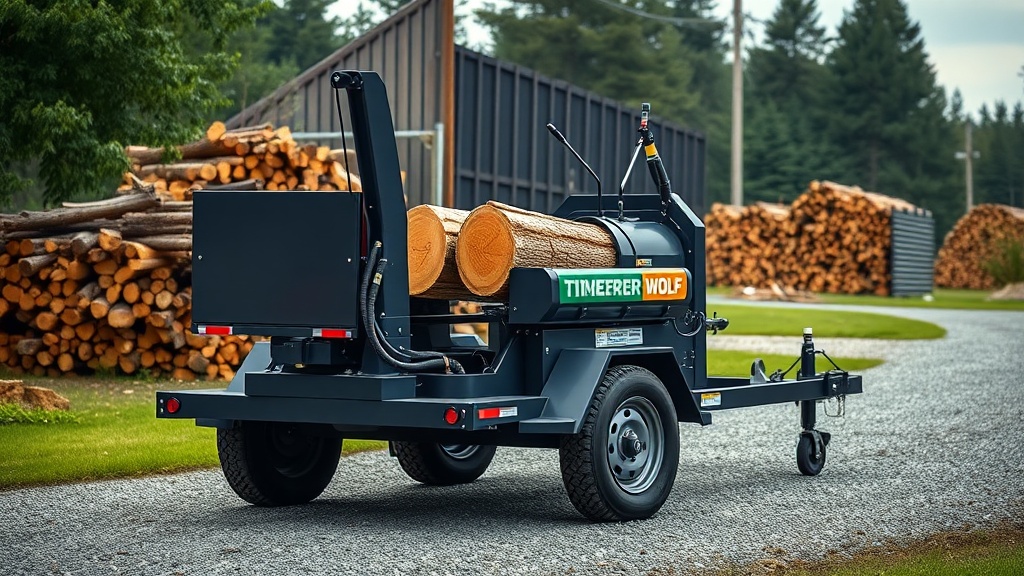
Timberwolf TW-PRO Maintenance Schedule: Keep It Running Smoothly
Keeping a Timberwolf TW-PRO in fighting shape isn’t about guesswork—it’s about following a regular maintenance schedule that addresses the machine’s specific needs. The TW-PRO is a serious piece of equipment, and ignoring routine checks can lead to costly downtime in the middle of a split. Below is a practical, time-tested maintenance plan that covers daily, weekly, monthly, and seasonal tasks to keep your splitter running smoothly for years.
How Often Should I Change the Hydraulic Fluid on the TW-PRO?
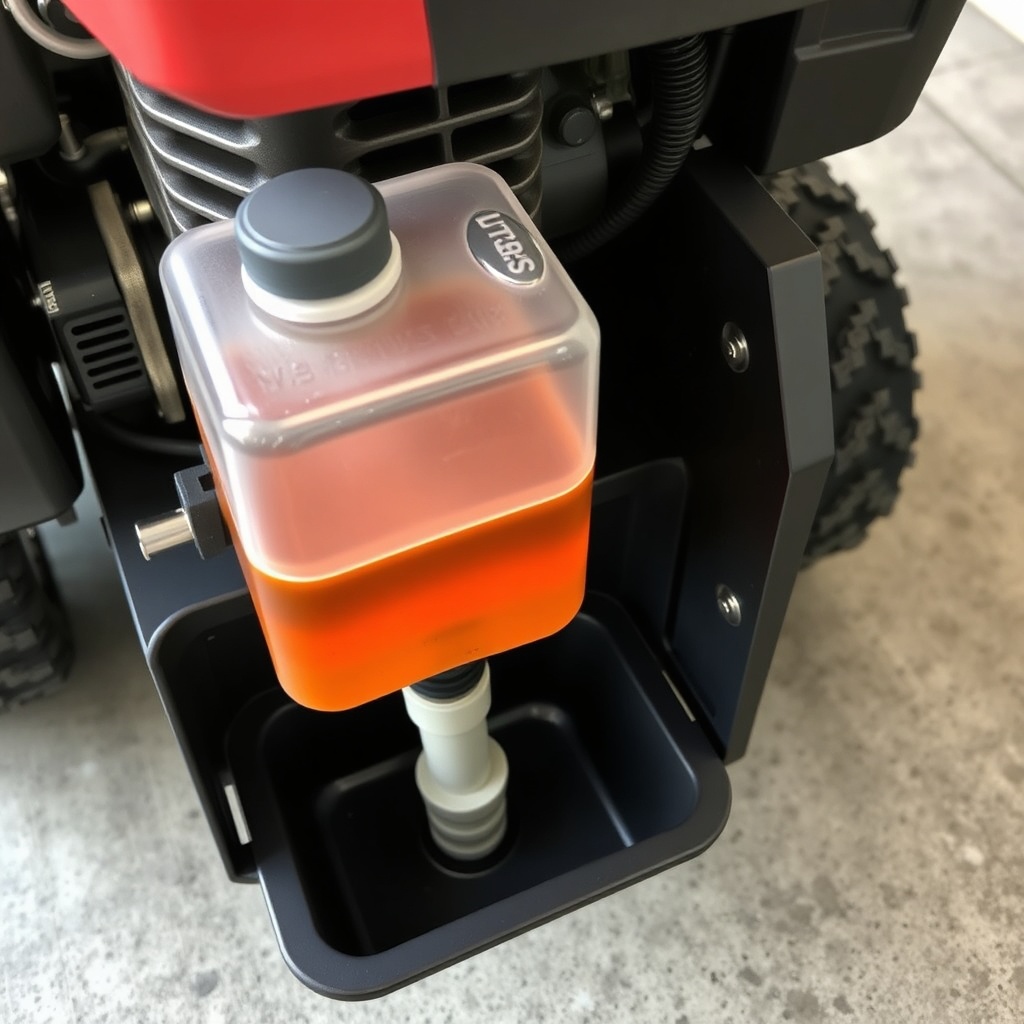
Hydraulic fluid is the lifeblood of the TW-PRO’s splitting force. The factory recommendation is to replace the fluid every 500 hours of operation or once per season—whichever comes first. For heavy commercial use, aim for every 300 hours. Use a high-quality ISO 46 hydraulic oil, and always check the sight glass on the reservoir before starting. If the fluid looks milky or has a burnt smell, change it immediately.
After draining the old fluid—typically about 12 gallons for the TW-PRO—replace the return line filter as well. A clogged filter starves the pump and reduces cycle speed. Always reuse the same drain plug gasket; a worn gasket invites contamination.
Pro tip: Keep a log of hours and fluid changes. The TW-PRO’s hour meter is reliable, so use it as your guide. For more details on the hydraulic system, check out our Timberwolf TW-PRO Hydraulic System: Specs and Real-World Performance article.
What’s the Best Way to Maintain the TW-PRO’s Engine?
The TW-PRO typically comes with a Kohler or Honda engine, both of which need regular oil changes and air filter checks. The engine oil should be changed every 100 hours or at the start of each season. Use SAE 10W-30 for general temperatures or 5W-30 for cold weather operation. Check the oil level daily—especially if the splitter sits on a slope.
The air filter is often overlooked. Inspect it every 25 hours and replace it every 100 hours if you’re working in dusty conditions. A dirty air filter reduces fuel efficiency and can cause hard starting. Also clear debris from the engine shroud and cooling fins—overheating is a common issue when leaves or sawdust pack around the block.
Spark plug: Replace annually or every 200 hours. Gap it to 0.030 inches for Kohler engines. The fuel filter should be swapped every 200 hours to prevent sediment from reaching the carburetor. For a deeper dive into engine options, see our Timberwolf TW-PRO Buying Guide: What to Check Before Purchase.
How Do I Check and Maintain the TW-PRO’s Wedge and Beam?
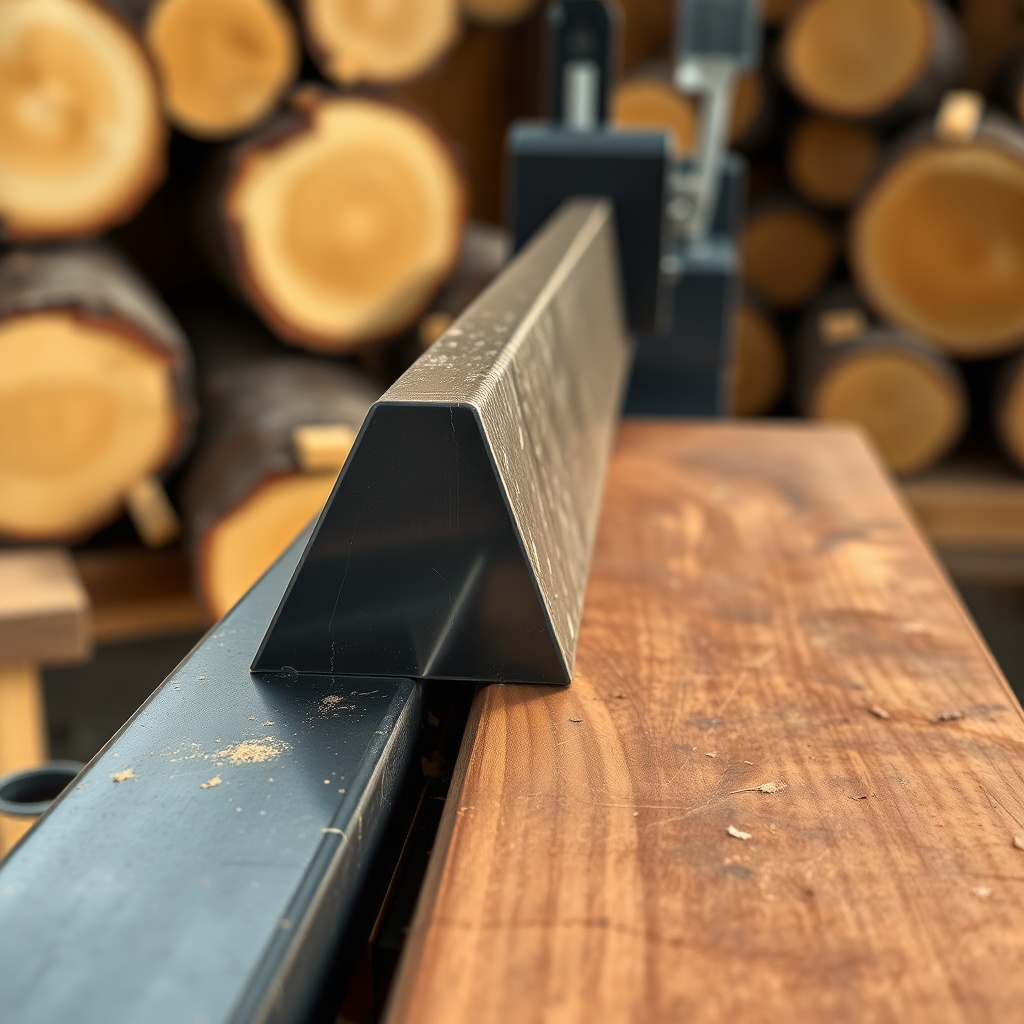
The wedge on the TW-PRO takes a beating, especially when splitting knotty hardwood. Inspect the wedge edge weekly for dullness, chips, or deformation. A sharp wedge reduces hydraulic strain and produces cleaner splits. Use a file or angle grinder with a flap disc to restore a 30-degree bevel. If the wedge is badly nicked, replace it—cost is around $80–$120 for OEM parts.
The beam (the I-beam or C-channel that carries the wedge) needs regular lubrication. Apply a heavy-duty grease like Lucas Red ‘N’ Tacky to the beam surface every 4–5 hours of operation. A dry beam increases friction, slowing cycle times and wearing out wedge guides prematurely. Wipe down the beam with a rag before greasing to remove sawdust and pitch.
Wedge bolts: Check torque settings monthly. Factory spec is 55–60 ft-lbs. Loose bolts can cause the wedge to shift, leading to off-center splits. Also inspect the beam for straightness—a bent beam will cause inconsistent splitting and may indicate a previous overload.
What’s the Proper TW-PRO Tire and Trailer Maintenance Routine?
The TW-PRO is a heavy unit (around 1,500 pounds dry). Tires are often the weakest link. Check tire pressure before every move—factory recommends 45–50 psi for the standard 13-inch tires. Underinflated tires cause excessive heat buildup and sidewall damage. Overinflation leads to a rough tow and premature tread wear.
Grease the wheel bearings every 500 miles or at the start of the season. Use a high-temperature bearing grease. A bad bearing can cause a wheel to lock up at highway speed—dangerous and expensive. Inspect the trailer hitch and safety chains monthly for cracks or wear. The coupler latch should move freely; lubricate with WD-40 or similar.
Lighting: Test all trailer lights before towing. The TW-PRO uses a standard 4-pin flat connector. Corroded connections are common—clean them with a wire brush and apply dielectric grease. Keep a spare set of bulbs in the toolbox. For suspension, check leaf springs for sag or broken leaves; replacement springs run about $60–$100.
| Maintenance Task | Severity Level |
|---|---|
| Hydraulic fluid change overdue by 100+ hours | Needs attention soon |
| Engine oil low or dirty | Needs attention soon |
| Tire pressure 10+ psi below spec | Usually not urgent (but fill before next tow) |
| Wedge chipped or dull | Usually not urgent (affects efficiency but not safety) |
| Beam dry and squeaking | Usually not urgent (lubricate at next opportunity) |
| Trailer lights not working | Needs attention soon (safety hazard) |
| Hydraulic hose leaking | Needs attention soon (can worsen quickly) |
How Do I Maintain the TW-PRO’s Hydraulic Hoses and Fittings?
Hydraulic hoses on the TW-PRO are exposed to UV, moisture, and physical abrasion. Inspect hoses monthly for cracks, bulges, or chafing. Pay close attention to the high-pressure hose running to the wedge cylinder—it’s the most stressed. If you see any exposed steel braid, replace the hose immediately. A hose blowout at full pressure can cause injury and dump expensive fluid.
Fittings (JIC and NPT) should be tightened to manufacturer specs—typically 20–30 ft-lbs for smaller fittings. Don’t overtighten; it can crack the bosses. Use thread sealant (not Teflon tape) on NPT fittings to prevent leaks. Always relieve system pressure before loosening any fitting—turn off the engine and cycle the wedge a few times to release trapped pressure.
Quick couplers: If your TW-PRO has hydraulic tool quick couplers, clean them with a small brush and apply a light coat of hydraulic oil to the tips. Dirt in a coupler can cause internal seal damage. Replace O-rings on couplers annually—five-piece kit costs about $12. For comparison with other splitters, check out our Timberwolf TW-PRO vs Fransgård TC-10: A Side-by-Side Comparison.
How Do I Winterize and Store the TW-PRO Long-Term?
If you live in a cold climate, winterizing the TW-PRO is critical. Start by running the engine dry of fuel or adding a fuel stabilizer (like STA-BIL) to the tank and running it for 5 minutes to treat the carburetor. Drain the hydraulic fluid if storing below 0°F? Actually, ISO 46 can thicken in extreme cold, but draining isn’t needed if you plan to run it within a few months. Instead, cover the reservoir with a foam blanket to reduce condensation.
Battery: Remove the battery and store it in a cool, dry place. Trickle-charge it every 30 days. A dead battery in spring is a common complaint. Grease all pivot points (wedge pivot, control valve linkage) with a heavy grease to prevent rust. Spray the wedge and beam with a light oil (like WD-40) to ward off surface rust.
Cover the splitter with a breathable tarp—plastic traps moisture and accelerates rust. If storing outdoors, elevate the tires off the ground with blocks to prevent flat spots. For the trailer, use jack stands to take weight off the tongue jack. Before first start in spring, change the engine oil and check the hydraulic filter. A detailed walkthrough of the hydraulics is in our Timberwolf TW-PRO Hydraulic System: Specs and Real-World Performance article.
What Owners Say
Mike from Vermont: “I found that greasing the beam every 4 hours made a huge difference in cycle speed. When I missed a week, the wedge started sticking midway. Stick to the schedule.”
Carol from Oregon: “Winter storage is key. I forgot to stabilize the fuel one year and had to rebuild the carburetor. Now I use STA-BIL religiously and run the engine dry before storing.”
Dave from Pennsylvania: “I check the wedge edge monthly with a square. It’s easy to let it get dull, but a sharp wedge cuts splitting time in half. I keep a spare wedge in the truck.”
Frequently Asked Questions
1. How often should I change the hydraulic fluid in my Timberwolf TW-PRO?
Change hydraulic fluid every 500 hours or once per season, whichever comes first. For heavy commercial use, change every 300 hours. Always replace the return filter at the same time.
2. What type of oil does the TW-PRO engine take?
Use SAE 10W-30 for general temperatures or 5W-30 for cold weather. Change oil every 100 hours or at the start of each season. Check the owner’s manual for exact grade if you have a specific Kohler or Honda model.
3. How do I tighten the wedge bolts on my TW-PRO?
Torque wedge bolts to 55–60 ft-lbs. Check them monthly, as vibration can loosen them. Loose bolts cause the wedge to shift and produce inconsistent splits.
4. What tire pressure should my TW-PRO trailer have?
The standard 13-inch tires should be at 45–50 psi. Check pressure before every tow. Underinflation causes heat buildup and sidewall damage.
5. How do I winterize my TW-PRO for long-term storage?
Treat fuel with stabilizer or run the carburetor dry. Remove the battery and trickle-charge it every 30 days. Grease pivot points and cover the splitter with a breathable tarp. Elevate tires off the ground if storing outdoors.
6. When should I replace the hydraulic hoses on my TW-PRO?
Replace hoses immediately if you see cracks, bulges, chafing, or exposed steel braid. Inspect them monthly. A hose blowout at full pressure can dump fluid and cause injury. Replace high-pressure hoses every 3–4 years as preventive maintenance.