Fransgård TC-10 Troubleshooting: Common Issues and Fixes
When you’re deep in a cordwood season with a Fransgård TC-10, even a minor hiccup can cost hours of output. This guide walks through the most frequent problems owners report, from hydraulic weep to splitter wedge drift, and offers practical, field-tested fixes. We’ll also help you decide which issues you can manage yourself and which call for a dealer visit.
All advice here assumes the machine is off, cold, and safety-locked before any inspection. If you’re new to the TC-10, start with our Fransgård TC-10 Buying Guide: Key Features to Consider to understand the baseline components.
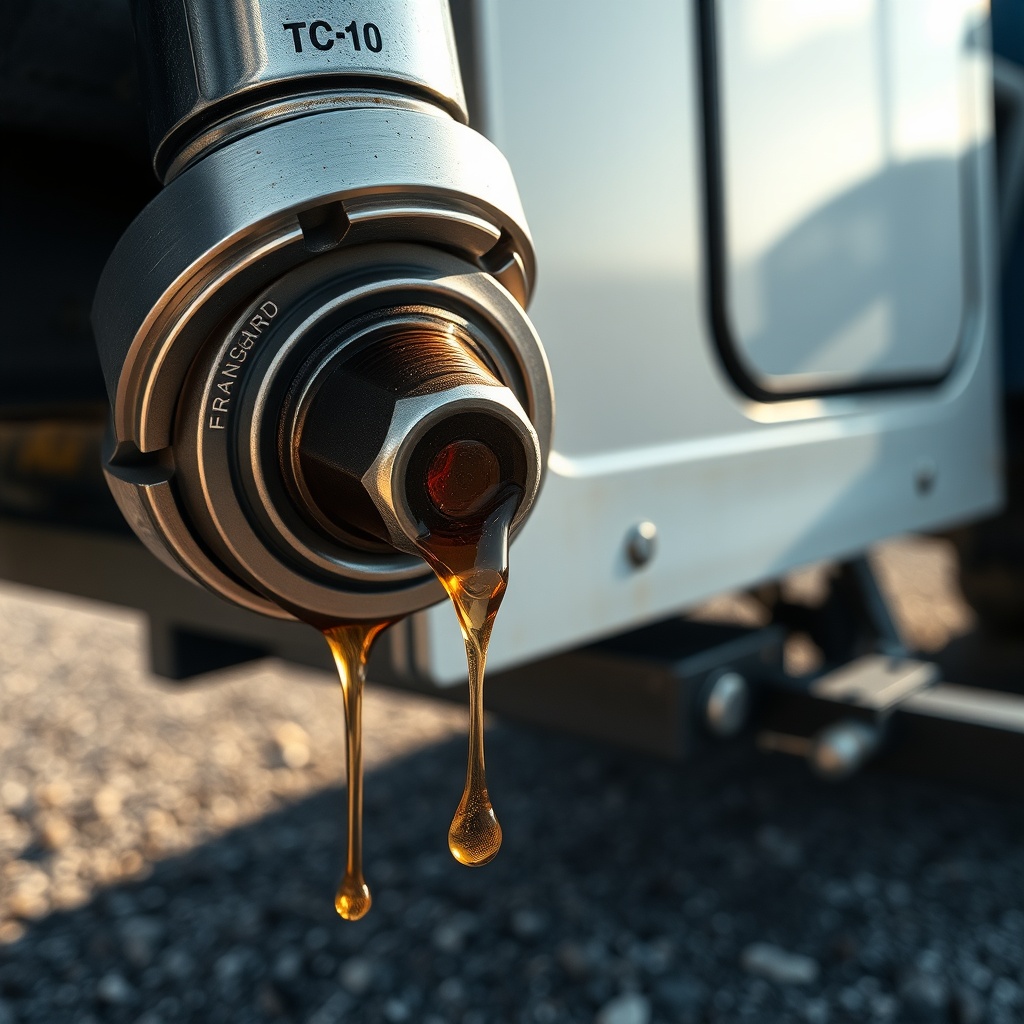
Why Is the Hydraulic Cylinder Leaking Oil Past the Rod Seal?
This is the most common seal failure point on the TC-10, especially after 200–300 hours of heavy use or if the machine sits in direct sun for long periods. The rod seal on the main splitter cylinder (35 mm rod diameter) can harden and crack from UV exposure or contamination from dirt packed around the wiper seal.
What you see: A thin film of hydraulic oil on the chromed rod, usually just inside the gland nut. Drips on the frame or ground mean the seal is already compromised.
Field fix (temporary): Clean the rod with a soft cloth and inspect for nicks or rust pitting. If the rod surface is smooth, you can sometimes reseat the seal by fully extending the cylinder and then retracting it a few times while the system is warm. This works only if the seal has just started weeping—not if it’s fully torn.
Permanent fix: Replace the rod seal kit (Fransgård part number 931-80-00, roughly $45). You’ll need a seal hook or small pick to remove the old ring without scoring the gland bore. After replacement, cycle the cylinder 10 times to distribute fresh oil.
If the leak is at the cylinder body weld or base port, that’s a warranty or replacement job. Do not try to weld on a pressurized cylinder.
What Causes the Splitter Wedge to Drift Out of Alignment?
A drifting wedge—where the blade veers left or right as it travels down the log—points to worn yoke bushings or a bent main beam. On the TC-10, the wedge rides on a 60 mm hardened steel beam. Over time, the bronze or composite bushings on the wedge carriage can develop 1–2 mm of slop.
Quick check: Lift the wedge to full height, then push sideways on the wedge with a pry bar. If you feel more than 3 mm of lateral movement, the bushings need replacing. Also inspect the beam for bright rub marks that indicate metal-on-metal contact.
Fix the bushings: Fransgård sells a bushing kit (part 931-45-22, about $80) that includes two flanged bushings and new retaining pins. Remove the wedge stop, slide the wedge off the beam, tap out the old bushings, and press in the new ones. Lightly grease the beam with lithium-compatible grease before reassembly.
If the beam itself is bent (check with a straightedge), the beam must be replaced. Bent beams usually come from hitting buried stones or frozen logs with too much speed. That repair is a full strip-down job best left to a dealer.
| Issue | Severity | Typical Fix |
|---|---|---|
| Hydraulic cylinder weep at rod seal | Usually not urgent | Replace seal kit at next service interval; clean rod |
| Wedge drift under 5 mm | Usually not urgent | Check and replace yoke bushings; adjust beam lubricant |
| Wedge drift over 5 mm | Needs attention soon | Inspect beam for straightness; replace beam if bent |
| Engine fails to start or stalls under load | Needs attention soon | Check fuel filter, spark arrestor, and battery terminals |
| Hydraulic oil foaming or overheating | Needs attention soon | Replace return line filter; check suction hose for air leaks |
| Splitter wedge sticks partway down | Needs attention soon | Clean beam surface; lubricate bushings; check for debris |
Why Won’t the Engine Start or Does It Stall Under Load?
The TC-10 typically ships with a Honda GX390 or a similar 13-horsepower industrial engine. Three common culprits: a dirty fuel filter, a clogged spark arrestor screen, or a weak battery connection to the electric start solenoid.
No crank, no click: Check the battery voltage at the solenoid. If you read 12.4V or lower, recharge the battery. Corroded terminals are the second-most-frequent cause—clean them with a wire brush and tighten the nuts to 6 Nm.
Engine cranks but won’t fire: Remove the spark plug, check for spark, and sniff the plug for fuel. A dry plug means the carburetor isn’t getting fuel—tap the float bowl lightly with a screwdriver to free a stuck float. If the plug is wet and smells like gas, you have an ignition issue; replace the spark plug (FR6DC+ equivalent) and test the ignition coil gap (should be 0.25–0.30 mm).
Stalls when you hit the splitter lever: The symptom is classic for a failing fuel filter or a partially clogged fuel tank vent. Replace the inline fuel filter (about $8) first. Check the fuel cap vent by loosening the cap—if the engine runs fine with the cap loose, replace the cap.
If stalling persists, the carburetor’s main jet may be partially blocked from ethanol deposits. A complete carb cleaning kit for GX390 engines is under $20. Always run non-ethanol fuel or treat your fuel with a stabilizer, especially if the machine sits for weeks between uses.
Why Is the Hydraulic Oil Foaming or Overheating?
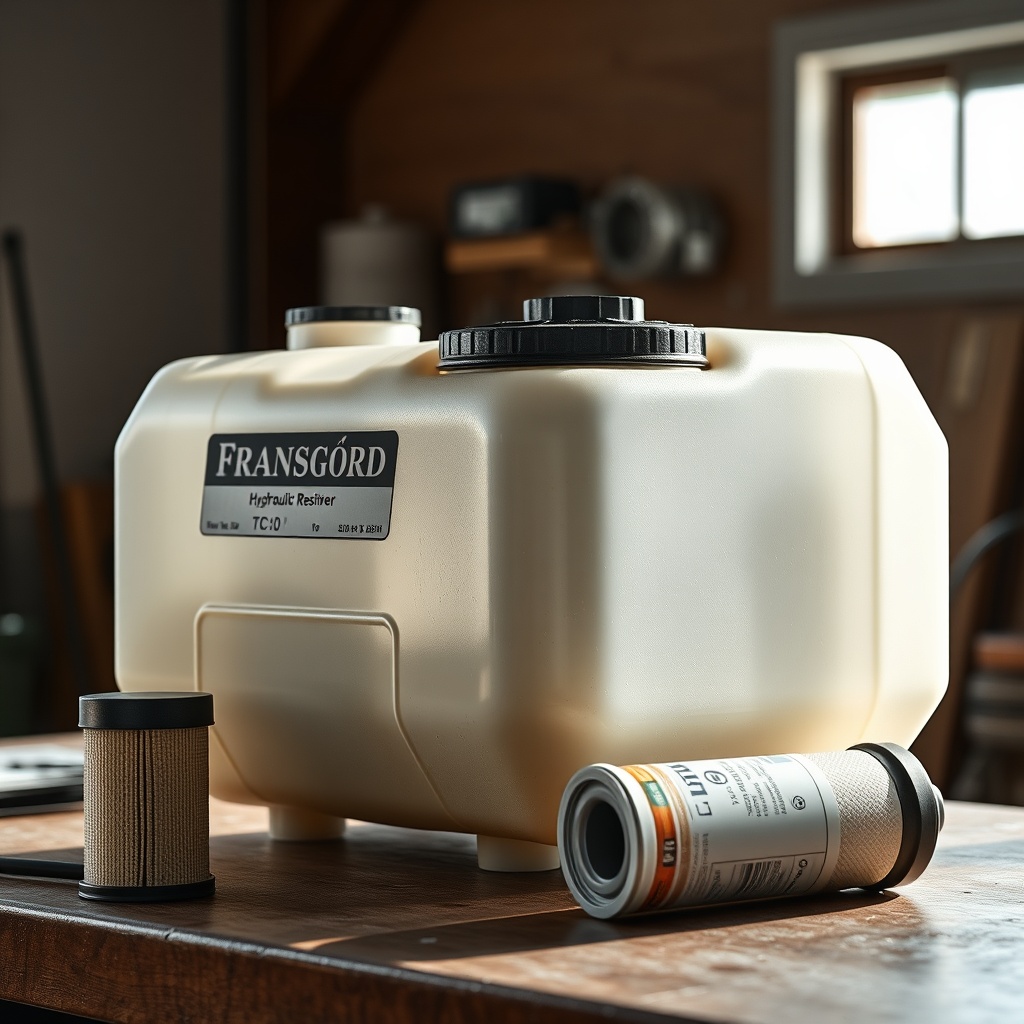
Milky or frothy oil usually means air is being sucked into the suction line. On the TC-10, the most common entry points are a loose hose clamp at the pump inlet or a pinhole in the rubber suction hose. Overheating (oil temp above 160°F after 15 minutes of operation) points to a clogged return filter or an external obstruction blocking the cooling fins on the reservoir.
Find the air leak: With the engine running at idle, spray a small stream of WD-40 or soapy water along the suction hose from the tank to the pump. If the idle changes or you see bubbles, you’ve found the leak. Tighten the clamp or replace the hose section.
Fix the overheating: Replace the return line filter element (Fransgård part 931-55-00, about $25). These filters clog gradually and the bypass valve opens, sending unfiltered, hot oil back to the tank. If the filter is less than 50 hours old, check the reservoir cooling fins for mud or grass buildup; clean with compressed air.
If the oil still runs hot, the system may have a misadjusted relief valve. That requires a pressure gauge and a dealer—do not adjust relief valves yourself as you risk blowing seals or bursting a hose.
Always use the recommended hydraulic oil (ISO 32 or 46, depending on your climate). Mixing viscosities is a common cause of foaming in cold weather.
When Should I Replace the Chain and Bar on the Conveyor Feed?
If the TC-10 is equipped with the optional conveyor feed (some models ship with the manual table), the chain and bar take a beating from dirt and bark. A worn chain causes jerky feed motion, and a dull bar increases drag on the hydraulic motor.
Inspect weekly: Measure the chain pitch stretch. A 1% stretch (about 4 mm over a 400 mm span) means the chain is due for replacement. Also check the bar rail height—if the rails are less than 4 mm tall, the bar needs swapping.
Chain replacement: Use a 72-link, 0.375-inch pitch, 0.050 gauge chain (Oregon 72LPX or equivalent). Cost is about $35–$45. Install it with the correct tension—you should be able to lift the chain 2–3 mm off the bar rails when pulled by hand.
Bar replacement: Fransgård uses a 12-inch or 14-inch low-profile bar. A replacement bar runs roughly $60–$80. Always replace the sprocket nose if you see wear grooves; a worn sprocket chews up a new chain in under 10 hours.
Sharpening tip: A file guide with 5/32-inch round file and 30-degree angle works fine. Avoid a bench grinder on a conveyor chain—it’s easy to overheat the cutters and ruin the temper.
What Owners Say
Owners on firewood forums and dealer reviews consistently mention three points about the TC-10’s reliability.
“The hydraulic leak from the wedge cylinder seal happened at 250 hours—exactly like everyone warned me.” Most owners buy a spare seal kit early and keep it in the tool box. A 20-minute job in the field beats a half-day trip to the dealer.
“If you run it in dusty conditions, blow out the radiator and the engine cooling fins every single day.” Owners who skip this find themselves dealing with overheating engine issues in late summer. Compressed air is cheap metal insurance.
“The factory chain tension on the conveyor is too loose—tighten it before your first real load.” A simple adjustment with the bar-tensioning screw (turn clock wise until the chain just touches the bar rail on the bottom) saves the chain from slapping off on the first big log.
Frequently Asked Questions
How often should I change the hydraulic oil in my Fransgård TC-10?
Fransgård recommends a full hydraulic oil change every 500 hours or once a year, whichever comes first. Use ISO 46 hydraulic oil in summer, ISO 32 in winter. Changing the return filter at the same interval is critical—don’t skip it.
Can I use standard automotive engine oil in the hydraulic system in an emergency?
No. Automotive engine oil lacks the anti-foam and anti-wear additives required for hydraulic systems. Using it can cause pump cavitation and seal swelling. If you’re stuck, use a premium tractor hydraulic fluid (like ISO 46 universal) from any farm supply store—never motor oil.
What is the torque spec for the wedge beam mounting bolts?
The four M16 bolts securing the main beam to the frame should be torqued to 140 Nm (103 ft-lbs). Over-tightening can fracture the cast-iron bracket, while under-tightening allows the beam to shift and cause wedge drift. Use a torque wrench and a crisscross pattern.
Why does my TC-10 splitter stop mid-stroke and then slowly creep back?
That is classic internal leakage in the spool valve or a worn cylinder piston seal. The piston seal allows oil to bypass, so the wedge drifts backward. Try cycling the valve fully 20 times at full pressure—if the problem doesn’t clear, rebuild or replace the control valve. A new spool valve assembly runs about $200.
What maintenance should I perform before storing the machine for winter?
Stabilize the fuel, run the engine dry, change the engine oil (10W-30), grease all zerks, and retract the wedge fully to protect the rod. Cover the engine exhaust and air intake with plastic bags. Store indoors if possible. Leaving the wedge extended all winter makes the rod seal weather-crack faster.
Where can I find the serial number on my Fransgård TC-10?
The serial number is stamped on a metal plate riveted to the frame near the right-side engine mount, just above the hydraulic tank. It starts with “TC10-” followed by six digits. Record it for parts orders. If the plate is missing, check the left side of the main beam near the wedge stop.
Keeping your TC-10 running through the work week mostly comes down to consistent checks on seals, filters, and alignment. When a problem goes beyond basic parts replacement, talk to your dealer. For safe operation guidelines, read our companion article Fransgård TC-10 Operation Manual: Tips for Efficient Use. And if you want to upgrade your setup with a log lift or an extended conveyor, check out Top Accessories for Fransgård TC-10: Boost Your Productivity.