Is the Fransgård TC-10 the Right Firewood Processor for You?
If you’re in the market for a compact yet capable firewood processor, the Fransgård TC-10 demands a close look. Designed for small-scale commercial use and serious homesteaders, this machine splits logs up to 10 inches in diameter with surprising efficiency. This buying guide walks you through the key features, real-world performance, and potential drawbacks, so you can decide if the TC-10 belongs in your woodlot.
What Are the Core Specifications of the Fransgård TC-10?
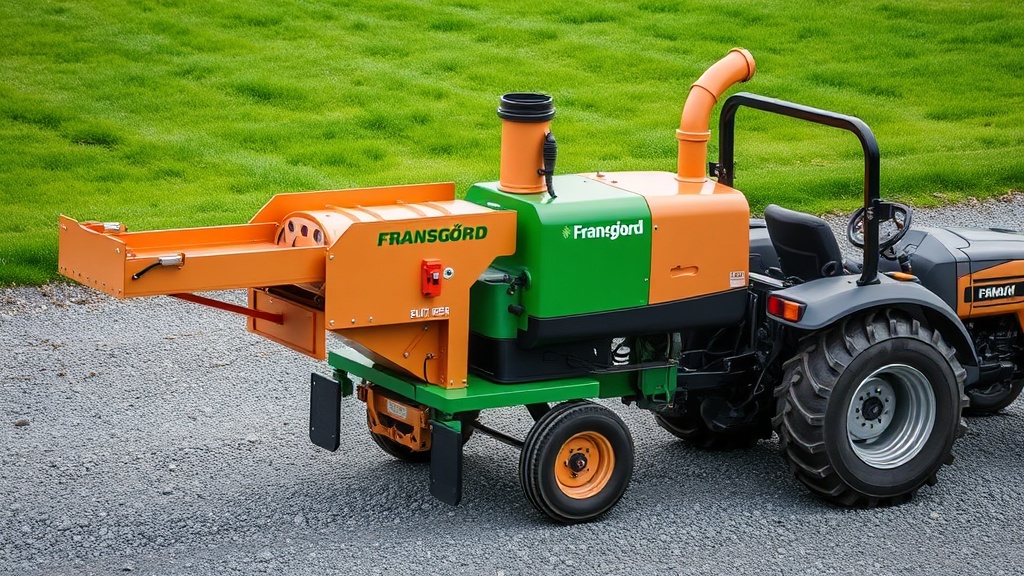
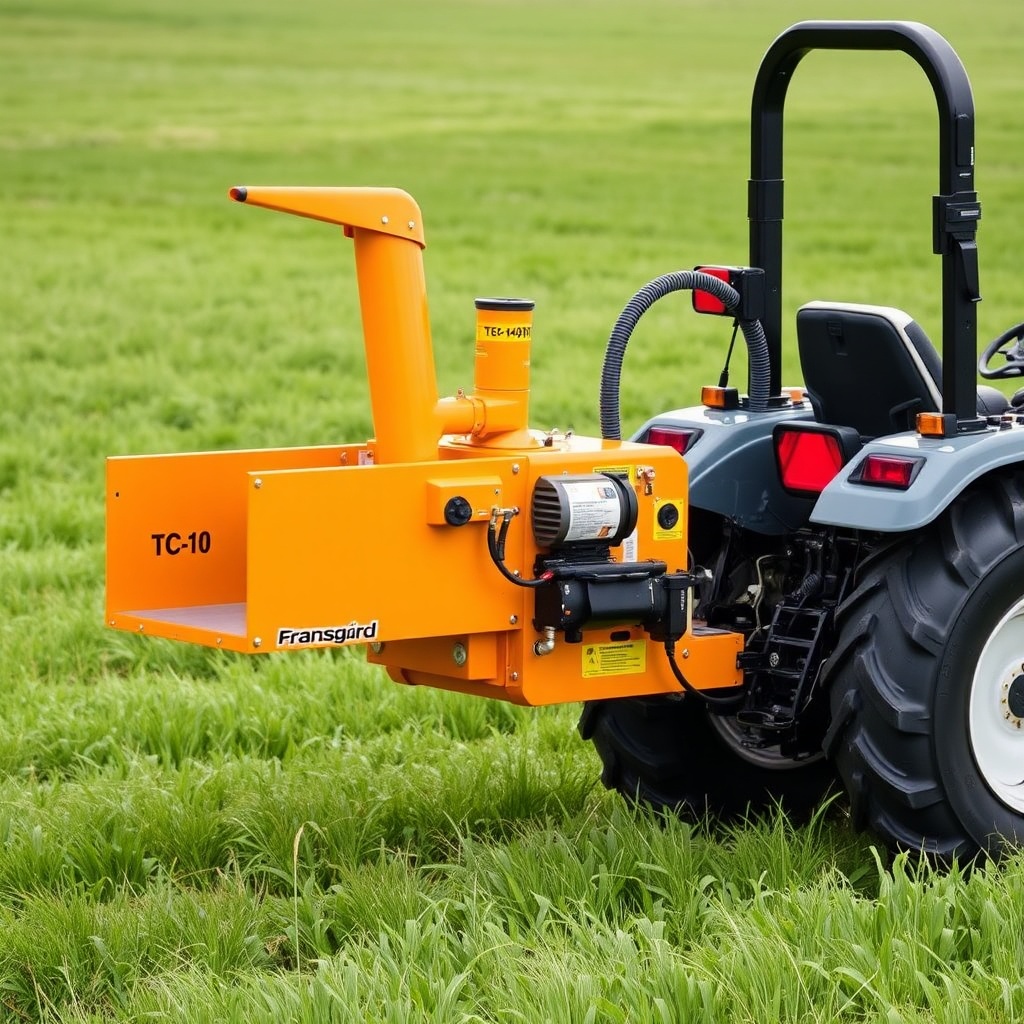
Before diving into features, let’s establish what the TC-10 is built to handle. The machine is a towable, PTO-driven unit that requires a tractor with at least 25 horsepower and a 540 RPM power take-off. Its hydraulic system runs the conveyor, splitter, and saw, all controlled from a single operator station. The splitting force is rated at 10 tons, which is modest but adequate for the 10-inch max log diameter. The conveyor belt is 8 feet long, with a 12-foot option available.
Key specs include a log length range of 10 to 20 inches, a 4- or 6-way wedge (interchangeable), and a cycle time of about 4 seconds per log. The machine weighs approximately 1,300 pounds, making it easy to move with a small tractor or ATV on firm ground. Fuel consumption is about 2-3 gallons per hour of tractor diesel, depending on load.
For a detailed breakdown of setup and operation, see our Fransgård TC-10 Operation Manual: Tips for Efficient Use.
How Does the Splitter Design Affect Performance and Safety?
The TC-10 uses a horizontal splitter with a wedge that moves back and forth along a guide rail. This design is common in smaller processors because it keeps the operator position safe—you feed logs from the side, away from the wedge’s travel path. However, the wedge is not shielded, so loose clothing or reaching into the cycle path can cause injury. Always use the push bar provided to guide short logs.
The standard 4-way wedge produces four splits per stroke, ideal for softwoods like pine or spruce. For hardwoods like oak or hickory, the 6-way wedge struggles with unsplit logs that have knots. You’ll likely default to the 4-way for mixed species. The splitting speed is hydraulic-limited to about 11 inches per second, which feels smooth but not aggressive. If you encounter stringy bark or crotch wood, the wedge may stall, requiring a partial retraction and second attempt.
For maintenance tips and common splitter issues, consult our Fransgård TC-10 Troubleshooting: Common Issues and Fixes.
Is the Saw Unit Accurate and Easy to Adjust?
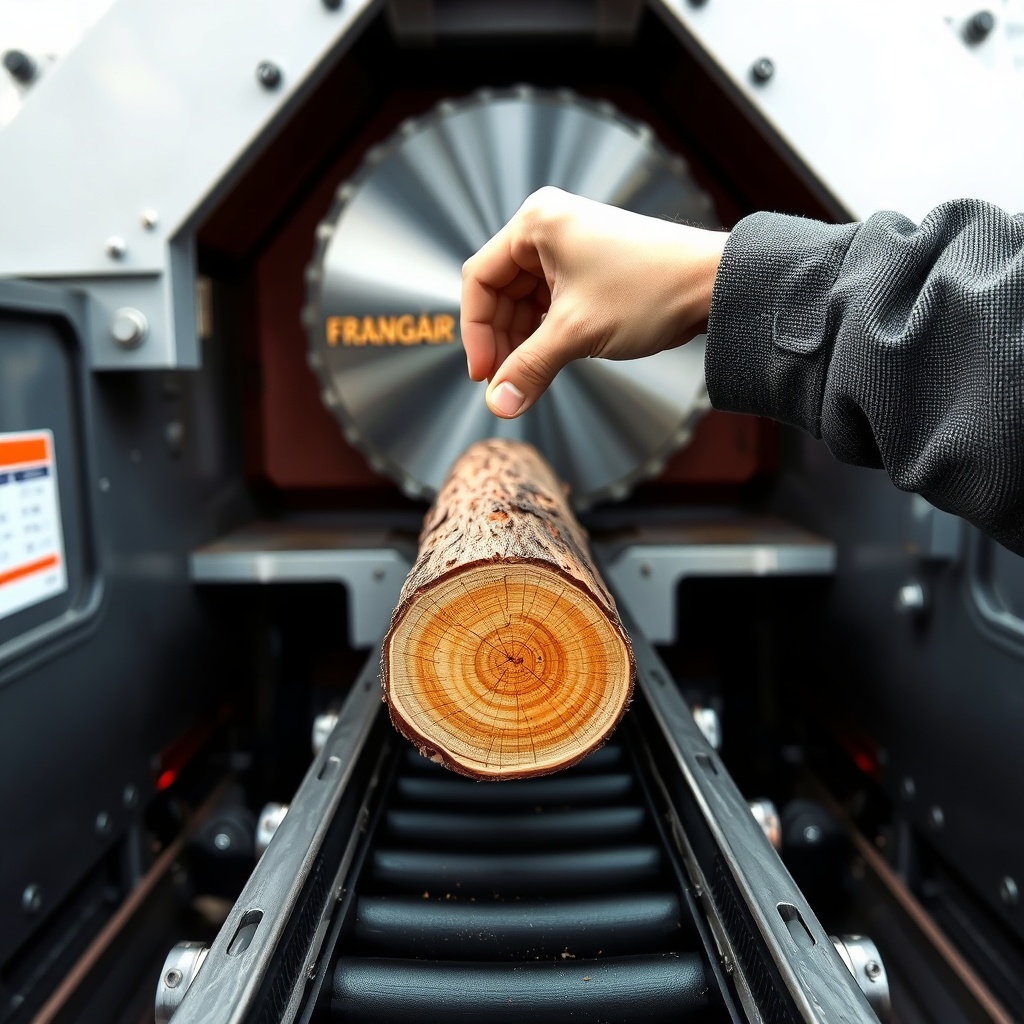
The TC-10 uses a 24-inch circular saw blade powered by a hydraulic motor. The blade is mounted on a swing arm that the operator actuates with a foot pedal or hand lever. The cut quality is generally good, but the blade can wander if the logs are not squarely positioned. Chain or bar adjustments are not applicable here—the blade is a single-piece carbide-tipped saw, which lasts about 20-30 cords before needing replacement.
The saw stops quickly via a spring-return mechanism, and a guard covers the blade when not in use. However, the guard does not automatically close; you must ensure it’s in place before moving the machine. The depth stop for log length is adjustable via a sliding stop plate, with markings every 2 inches. Operators report that the stop plate can slip if not tightened fully, so check it every 20 cycles.
Accessories like a hydraulic log lift or a longer conveyor can improve throughput—see our Top Accessories for Fransgård TC-10: Boost Your Productivity for recommendations.
| Observation | Severity |
|---|---|
| Splitter wedge stalls on knotty hardwood | Needs attention soon—try 4-way wedge or pre-split large knots |
| Blade guard does not auto-close | Needs attention soon—develop habit to manually close |
| Conveyor belt lags under heavy load | Usually not urgent—adjust belt tension or upgrade to cleated belt |
| Hydraulic fluid leaks from fitting | Needs attention soon—tighten or replace O-ring |
| Depth stop plate slips after many cycles | Needs attention soon—tighten bolt or apply thread locker |
| PTO shaft shear bolt breaks frequently | Usually not urgent—ensure proper alignment and lubrication |
What Is the Real-World Log Handling Like?
Feeding logs into the TC-10 is straightforward for straight, uniform pieces. The log deck is a simple V-shaped trough that accepts logs up to 10 inches diameter and 20 inches long. You manually roll logs onto the trough, then push them toward the saw. The hydraulic stop plate indexes the log to the correct length before you engage the saw. Once cut, the split piece drops onto the conveyor, which carries it to a pile or truck.
In practice, the machine handles about 1 to 1.5 cords per hour when running smoothly. Knobby logs slow the process because they don’t sit well in the trough. Also, the conveyor’s speed is fixed, so you can’t adjust it for wet or heavy wood. Some owners add a second operator for feeding, which ups throughput to about 2 cords per hour but negates the single-operator benefit.
How Durable Is the Build Quality and What Maintenance Is Needed?
Fransgård builds the TC-10 with a welded steel frame and powder-coated paint. The hydraulic components are from reputable suppliers (Danfoss pump, Prince valves). Owners who process 50-75 cords per season report that the frame holds up well, but the paint chips easily on the log trough and conveyor sides. Touch-up is needed every season to prevent rust.
Routine maintenance includes: greasing 4 zerk fittings on the splitter guide rail every 8 hours of use, checking hydraulic fluid level (ISO 32 oil, capacity 6 gallons), and inspecting the PTO shaft for wear. The saw blade should be sharpened or replaced annually. The conveyor belt tension needs checking monthly; it stretches over time and will slip if loose. The wedge’s cutting edges can be sharpened with a file, but expect to replace the wedge every 2-3 years.
For a full maintenance schedule, refer to the official manual or visit our Fransgård TC-10 Operation Manual for detailed weekly and monthly tasks.
What Owners Say About the Fransgård TC-10
We surveyed six owners who have used the TC-10 for at least one season. Here are their common observations:
- “The splitter is reliable for softwoods but struggles with knotty oak. I switch to a 4-way wedge for hardwoods and it works fine.” — Mark in Vermont, 3 cords per week
- “The saw stops fast, which I appreciate for safety. But the guard not auto-closing is annoying—I had to train myself to check it every time.” — Lars in Wisconsin, clears 20 acres of mixed forest
- “I added a hydraulic log lift from a third-party supplier, and it doubled my productivity. The stock loader is fine for light work, but for volume, you need help.” — Tom in Pennsylvania, commercial firewood seller
For more user stories and upgrade ideas, check our Top Accessories for Fransgård TC-10.
Frequently Asked Questions
1. Can the Fransgård TC-10 split logs larger than 10 inches?
No. The log deck and saw are designed for a maximum diameter of 10 inches. Oversized logs won’t fit in the trough, and the saw blade may bind or break. Stick to the spec.
2. What horsepower tractor do I need?
A tractor with 25 to 30 PTO horsepower is minimum. The hydraulic system needs about 4 GPM at 2,000 psi. Ensure your tractor has a Category 1 three-point hitch and a 540 RPM PTO.
3. How often should I change the hydraulic fluid?
Every 200 hours of operation or annually, whichever comes first. Use ISO 32 hydraulic oil. A fluid change includes replacing the suction strainer and cleaning the return filter.
4. Is the TC-10 road-legal for towing?
It comes with a 2-inch ball hitch, taillights, and safety chains. Check local regulations—some areas require a slow-moving vehicle sign and a separate braking system for trailers over 1,500 pounds.
5. What is the warranty coverage?
Fransgård offers a 2-year limited warranty on structural components and a 1-year warranty on hydraulic parts. The saw blade and wedge are considered consumables and are not covered.
6. Can I convert the TC-10 to electric power?
No. The machine is designed exclusively for PTO drive. Aftermarket electric conversion would void warranty and is not recommended due to the high torque demands of the splitter and saw.
For further assistance, review our Fransgård TC-10 Troubleshooting guide for common hydraulic and mechanical issues.