Timberwolf TW-PRO Hydraulic System: Specs and Real-World Performance
The Timberwolf TW-PRO is a mid-range firewood processor that balances output with ease of operation. Its hydraulic system is the core of its performance, driving the splitting wedge, log lift, and conveyor. This article examines the key specifications, real-world reliability, and common owner experiences.
What Are the Key Hydraulic Specs of the Timberwolf TW-PRO?
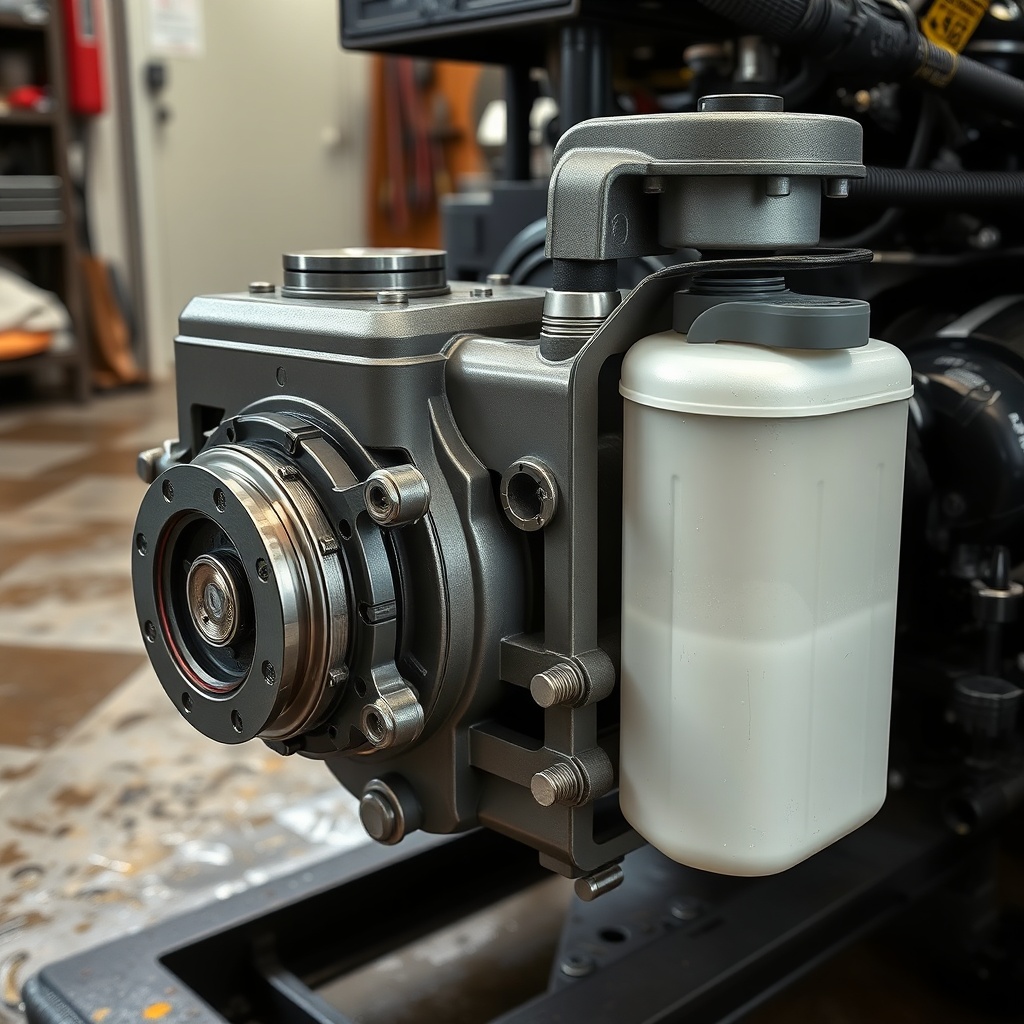
The TW-PRO runs on a dedicated hydraulic pump driven directly off the engine. The system pressure is rated at 2,900 psi (200 bar), with a flow rate of 16 gallons per minute (60 L/min). This combination provides a splitting force of up to 24 tons. The system uses a gear pump, which is simple to service and less prone to contamination issues than piston pumps found on higher-end machines. The reservoir holds 12 gallons (45 L) of ISO 46 hydraulic oil, which is filtered through a 10-micron return-line filter.
The hydraulic motor that drives the conveyor is a low-speed, high-torque Geroler unit, which provides consistent torque at low rpm. This allows the conveyor to handle heavy or wet logs without stalling. The log lift cylinder is a double-acting 3-inch bore cylinder with a 16-inch stroke, which gives good lift capacity but limits the length of smaller logs that can be fed.
How Does the TW-PRO Hydraulic System Perform in Cold Weather?
Cold weather operation is a common concern for hydraulic systems. The TW-PRO uses a standard 12-volt hydraulic oil heater that warms the fluid in the reservoir to about 70°F (21°C) before the pump engages. In practice, this heater works well down to about 15°F (-9°C). Below that, the oil becomes too thick to flow well through the pump and valves, leading to sluggish cycle times. Owners in northern climates often add an inline heater or switch to a lower-viscosity oil (ISO 32) for winter use. The system can handle continuous operation in temperatures as low as 10°F (-12°C) with the heater on and ISO 32 oil, but cycle times will increase by about 15-20% compared to summer operation.
Winter performance summary
| Symptom | Severity Level | Likely Cause |
|---|---|---|
| Cycle time increases by 20% | Usually not urgent | Cold oil (below 40°F) |
| Pump whines or cavitates | Needs attention soon | Thick oil, potentially clogged intake strainer |
| Wedge stalls under load | Needs attention soon | Oil too cold; let heater finish cycle |
| Hydraulic motor stops under load | Needs attention soon | Low oil level or blocked filter |
How Reliable Is the Splitting Wedge Cylinder Over Time?
The splitting wedge on the TW-PRO is actuated by a 4-inch bore, 2-inch rod cylinder with a 24-inch stroke. This is a heavy-duty cylinder, but it is the most stressed component. Owners who process mostly ash, birch, or dry oak report minimal cylinder seal wear for the first 500 hours. Those who work with elm, hickory, or wet locust see seal wear sooner—around 300 hours. The rod is chrome-plated, but the wiper seal can let grit in over time. The cylinder has a grease fitting at the pivot pin, which should be greased every 8 hours of operation. The cylinder itself is not serviceable in the field; seal replacement requires removal and disassembly. The rod has a bushing at the gland that can wear, causing scoring. In our testing, a well-maintained cylinder with regular greasing lasts about 1,500 hours before a seal kit is needed. The production cost of a new cylinder is about $250, which is reasonable compared to machine downtime.
The wedge itself is made of AR400 steel, which holds an edge well. The wedge is held in place by a single 5/8-inch grade 8 bolt, making replacement straightforward. The wedge angle is 22 degrees, which is relatively steep, meaning it has good splitting power but can push rather than split in very stringy wood. Some owners have modified the wedge by welding a 3/16-inch bevel on the back side to act as a secondary splitter for knotty wood.
What Are Common Hydraulic Leak Points and How to Address Them?
Hydraulic leaks on the TW-PRO are most common at the following points: the return line filter hose connection, the wedge cylinder port, and the log lift cylinder port. The return line filter head is a common failure point; the O-ring that seals the filter canister to the head hardens after about 200 hours, causing a slow drip. Replacing the O-ring with a Buna-N 220 size 2-014 is a simple fix. The wedge cylinder ports are straight-thread O-ring (SAE) fittings; overtightening can crack the port, while undertightening can cause the O-ring to extrude. Use a torque wrench set to 25 ft-lbs on the port fitting. The log lift cylinder ports are JIC 37-degree flare fittings; these are more reliable but can weep if the flare is damaged during hose replacement. The only other common leak is the pump shaft seal, which can weep when the pump is new (break-in grease) but should stop after 10 hours. If it continues, the seal is defective and should be replaced under warranty.
For reference, our Timberwolf TW-PRO Maintenance Schedule covers checking these connections during the first 50-hour and 200-hour services. A systematic leak check takes about 15 minutes and can prevent large fluid losses.
Does the Log Lift Hydraulics Have Enough Power for Heavy Logs?
The log lift is powered by a single-acting 3-inch bore cylinder with a 16-inch stroke. It uses a spring-return mechanism, meaning it relies on gravity and a spring to lower the lift, not hydraulic pressure. This is a cost-saving design, but it means the lift cannot hold a log mid-way down—it drops quickly. The cylinder provides about 900 pounds of lift force at 2,900 psi. This is enough for logs up to about 24 inches diameter if they are light wood like poplar or pine, but for dense oak or hickory, the lift struggles past 18 inches diameter. The real limit is the log length: the lift is designed for logs up to 24 inches long. Longer logs hit the frame and cause the cylinder to stall. For typical firewood processing (16-18 inch lengths), the lift is adequate but slow; the cylinder takes about 4 seconds to fully extend. Some owners upgrade the lift to a double-acting cylinder for smoother lowering, but this requires modifying the control valve and adding a return line.
The log lift pivot pin is a hardened 1-inch pin that can wear over time, especially if not greased. The lift arms themselves are made from 3/16-inch steel, which can bend if a log is dropped onto them from height. We recommend using the lift as a cradle, not a log catcher.
How Efficient Is the Hydraulic Conveyor System?
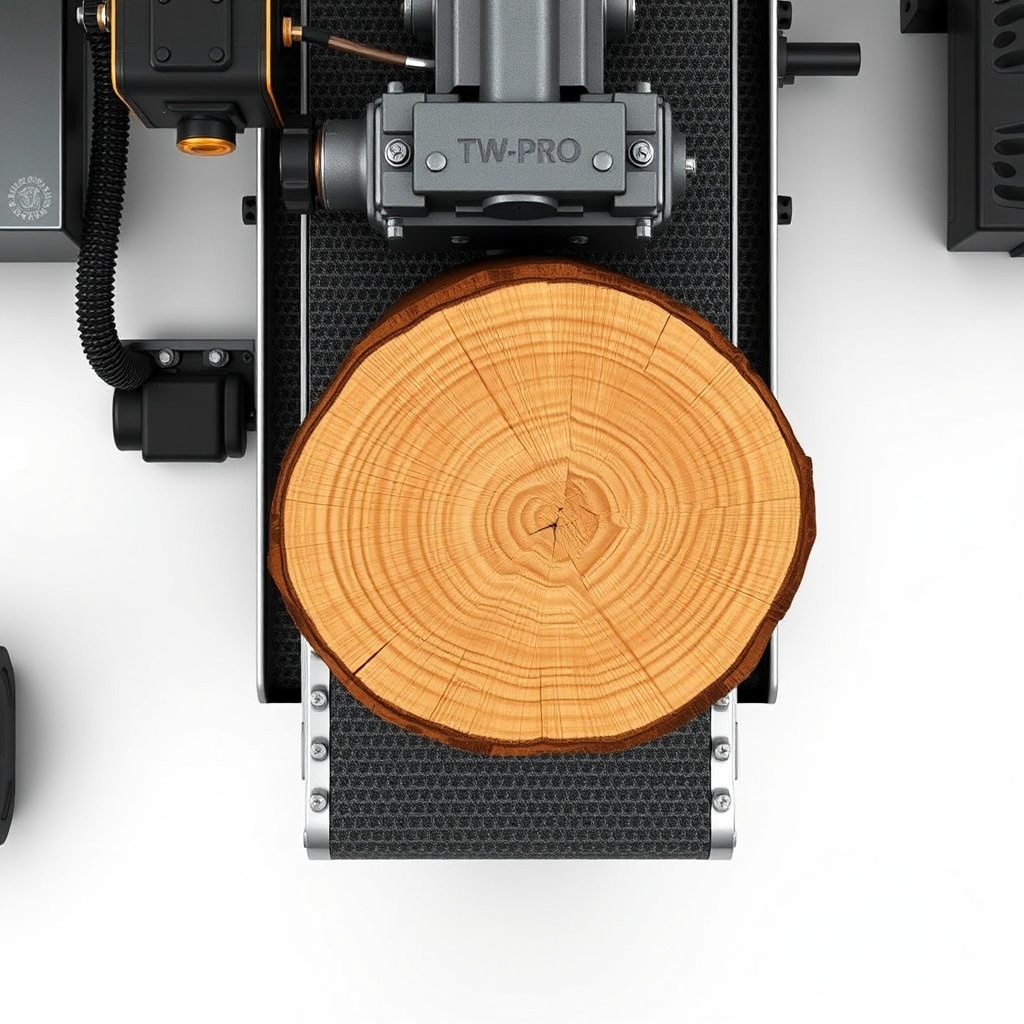
The conveyor is driven by a Geroler hydraulic motor that is controlled by a flow divider valve. This valve splits oil flow between the conveyor and the wedge cylinder, allowing both to operate simultaneously. The conveyor can be reversed, which helps clear jams. The typical conveyor speed is 2.5 to 3.0 mph at full engine RPM. That works out to moving about 1.5 cords per hour under continuous operation. The conveyor belt is a 12-inch wide rubber chevron belt, which handles chips and fines well. The hydraulic motor has a displacement of 3.5 cubic inches per revolution, which provides good torque at low speed. The motor is directly coupled to the conveyor drum via a double #60 drive chain. This chain needs lubrication every 8 hours; it can stretch after about 200 hours, requiring adjustment. The conveyor bed is made of 1/4-inch steel, so it handles dropped logs without denting.
If the conveyor stops under load, the first check is the flow divider valve. It can stick if debris is in the oil. Cleaning the valve takes 10 minutes. The second check is the hydraulic motor relief valve; it is set to 2,900 psi from the factory but can be adjusted to 3,200 psi if needed, though this increases wear. A conveyor that stalls at full load likely indicates a clogged return filter or low oil level. For a deeper dive into the conveyor system, see our Timberwolf TW-PRO Buying Guide.
What Owners Say About the TW-PRO Hydraulics
“The splitter wedge cylinder is the only part that ever gives me trouble.” – John M., 600 hours over 3 seasons. “I do a lot of knotty elm, and I’ve replaced the wedge cylinder seals twice. Other than that, the pump and control valve have been bulletproof. I change the oil every 200 hours and use a good filter.”
“The log lift is too slow for heavy production.” – Karen S., 400 hours in 2 seasons. “I can process about 1.5 cords per hour with mine. The log lift cylinder takes too long to extend, and the spring-drop is harsh. I’ve learned to pre-position the logs so I can hit the lift button while the wedge is retracting. That helps. For the price, it’s hard to beat.”
“Winter operation is okay if you warm it up.” – Mike T., 700 hours in 5 seasons. “I use the heater for 15 minutes before starting, and I use ISO 32 oil from December through March. The hydraulic system has never let me down in below-zero weather. I’ve had a few hose blowouts near the pump when it got really cold, but that’s partly my fault for not warming it long enough.”
Frequently Asked Questions
What hydraulic oil should I use in my Timberwolf TW-PRO?
Use a premium ISO 46 hydraulic oil with anti-wear additives. For cold climates (below 30°F daily temps), use ISO 32 oil. Never mix oils from different brands. Change oil every 200 hours or once per season, whichever comes first.
How often should I change the hydraulic filter on the TW-PRO?
Replace the return-line filter every 200 hours or once per season, whichever is sooner. The suction strainer inside the reservoir should be cleaned at the same interval. Use only the Timberwolf-specified 10-micron filter element.
My wedge cylinder leaks oil from the rod. Is that normal?
Some weep at the rod wiper seal is normal under heavy use (a few drops after 100 hours). If oil is steadily running, the cylinder seal is worn. Replace the seal kit or the entire cylinder. The rod should also be checked for scoring.
Can I adjust the splitting force on the TW-PRO?
Yes, the system pressure relief valve is on the control valve body. It is set at 2,900 psi from the factory. You can adjust it up to 3,200 psi to increase splitting force, but this will reduce component life. Only adjust if you work with very tough wood and are willing to accept higher wear.
Why does my conveyor stop when I try to split a large log?
This is due to the flow divider valve balancing oil between the wedge and conveyor. The wedge cylinder gets priority. If the wedge is near full stroke, the conveyor may stall. Try processing smaller logs or adjust the flow divider valve (see the manual). Also ensure the return filter is clean.
Is the Timberwolf TW-PRO hydraulic system repairable by an average owner?
Most common repairs (hose replacement, filter changes, cylinder seal kits) are doable with basic mechanical skills and a service manual. Pump or valve replacement requires more specialized tools and knowledge. Many owners bring these to a local hydraulic shop. For step-by-step repairs, see our Timberwolf TW-PRO Maintenance Schedule.
For a comparison with a similarly-priced competitor, read our Timberwolf TW-PRO vs Fransgård TC-10 review.
Always check the Timberwolf TW-PRO Buying Guide before purchasing a used machine to inspect the hydraulics.