Timberwolf TW-PRO Buying Guide: What to Check Before Purchase
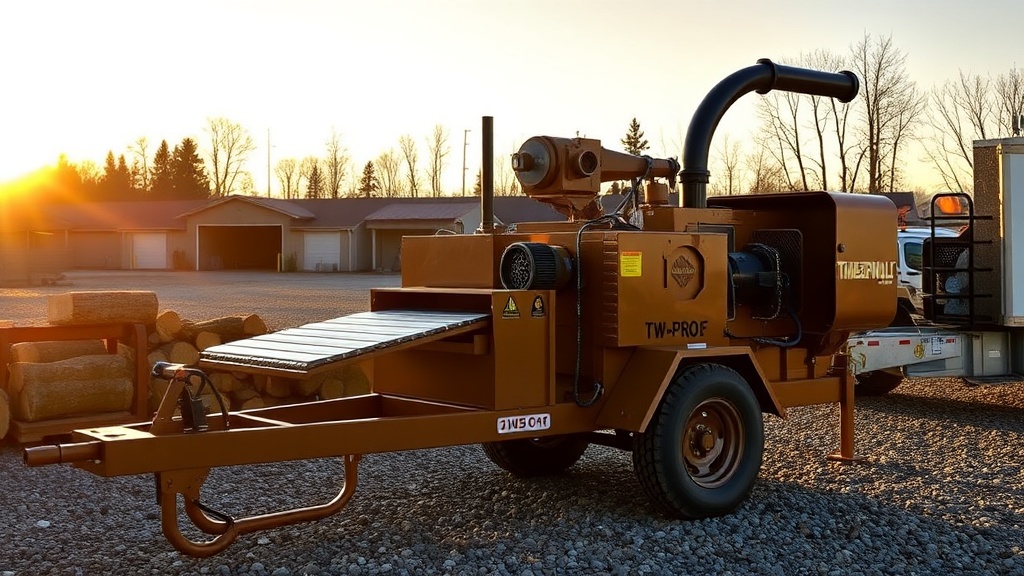
The Timberwolf TW-PRO is a mid-duty firewood processor that splits logs up to 14 inches in diameter with a 25-ton hydraulic wedge. It’s built for operators who need a dependable machine for moderate commercial use or heavy residential work. This guide covers the key points to inspect before you hand over your money—whether buying new or used.
Is the Hydraulic System Leak-Free and at Full Pressure?
Start by checking the entire hydraulic circuit for leaks. The TW-PRO uses a 13 GPM pump feeding a 4-inch-bore cylinder. With the engine at full throttle, the wedge should cycle from fully open to fully closed in about 6.5 to 7 seconds. A slower cycle indicates pump wear or a stuck valve. Look at hose ends and fittings for seepage—common failure points are the two hoses running to the splitter wedge and the return line at the reservoir. If you see weeping at any banjo fitting, budget for replacement. Also, confirm the hydraulic fluid level on the dipstick after running the machine for two minutes; low fluid can cause cavitation and premature pump failure.
For deeper detail on pressure settings and valve stack health, read the dedicated Timberwolf TW-PRO Hydraulic System: Specs and Real-World Performance article.
Does the Engine Start and Run Smoothly Under Load?
Most TW-PRO units come with either a 37-hp Kohler V-twin or a 30-hp Yanmar diesel. For gas models, bring a compression tester—cold compression should be at least 120 psi per cylinder with no more than 10% variance between cylinders. Let the engine idle for 30 seconds, then engage the log lift and wedge at full pressure. The engine should not bog below 3,200 RPM under load. If it does, the governor may need adjustment or the carburetor has deposits. On diesel variants, listen for valve clatter; a consistent light tapping is normal, but a rhythmic knock that changes with load indicates injector problems.
Always check the air filter housing for mouse nests, especially if the machine sat in a shed. Replace the fuel filter if the previous owner’s maintenance is unknown. Compare your findings to the schedule in Timberwolf TW-PRO Maintenance Schedule: Keep It Running Smoothly to plan service intervals.
Are the Wedge and Splitter Beam Straight and Undamaged?
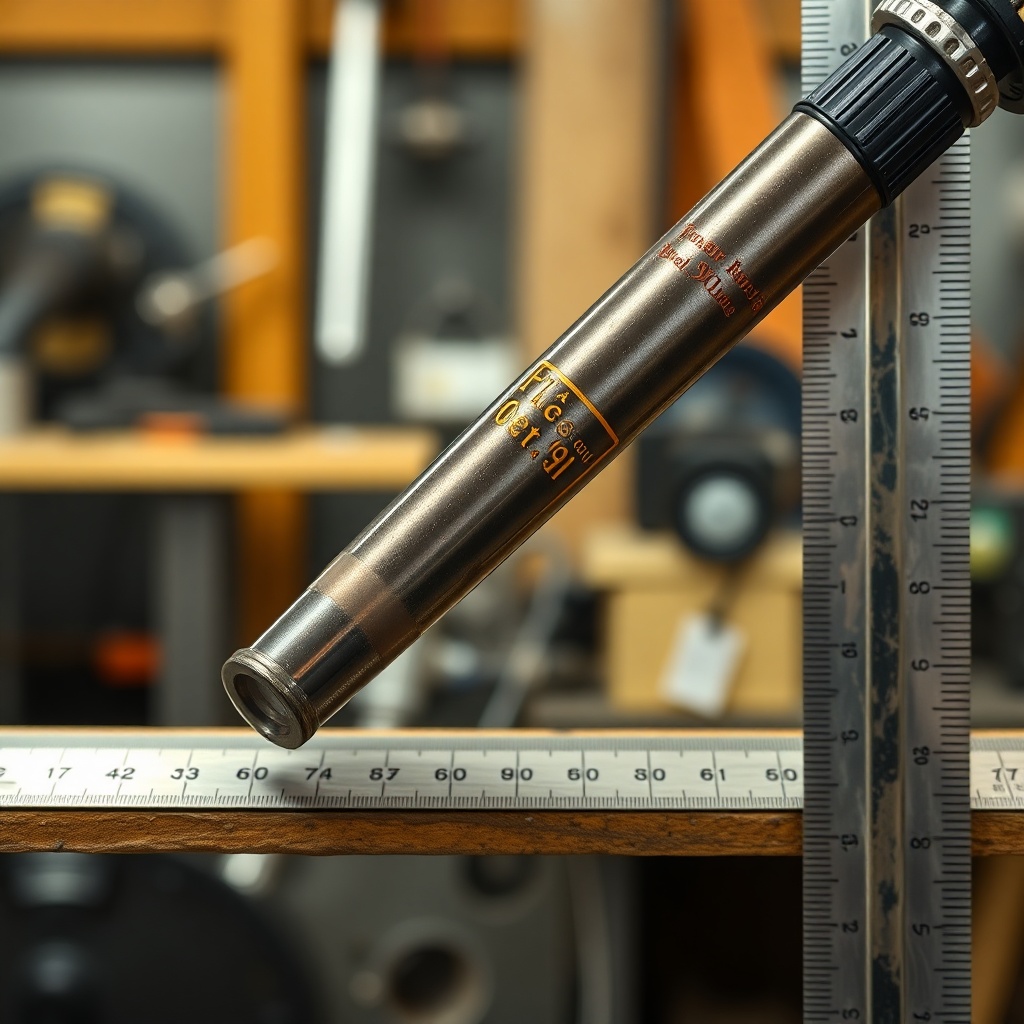
Inspect the wedge edge along its entire length. A dull or mushroomed edge will reduce splitting force and increase cycle time. Look for cracks near the wedge mounting bolts—this area sees extreme stress on stringy hardwoods like elm or hickory. The splitter beam should be true; place a straightedge along its length—a gap exceeding 1/16 inch indicates a bent beam. Bent beams are costly to replace and can cause crooked splits that bind in the wedge. Also verify that the log cradle’s four prongs are not bent or broken. If any are missing or deformed, splitting consistency drops significantly.
How Much Wear Is on the Conveyor and Belts?
The TW-PRO uses a 10-foot-long chain-and-slat conveyor to feed logs. Measure chain sag at the middle of the conveyor—more than 1 inch of slack suggests stretched chain that needs replacement. Check every slat for cracks or missing bolts. A broken slat left unrepaired can catch on a log and snap others. On the splitter side, examine the V-belts from the engine to the hydraulic pump. Cracking on the underside of the belts is normal after 200 hours, but frayed edges or a glazed surface indicate slipping. Replacing both belts as a set costs around $80 and should be done every 500 hours.
| Component | Condition | |
|---|---|---|
| Usually Not Urgent | Needs Attention Soon | |
| Conveyor chain sag | Less than ½ inch | More than 1 inch |
| Wedge edge sharpness | Can catch a fingernail | Blunt or chipped |
| Hydraulic oil color | Clear amber | Milky or dark brown |
| Engine idle-to-load RPM drop | Less than 200 RPM | More than 400 RPM |
| Slat bolts (any missing) | None | Two or more missing |
Are the Controls and Safety Features Functioning Correctly?
Operate both the lever-based control valve and the optional foot pedal (if fitted) through all cycles. The wedge should stop instantly when you release the lever, and both the log lift and conveyor should remain motionless at neutral. Test the emergency stop button—it should kill the engine within 2 seconds. On newer models, check that the splitter’s two-hand control (if present) requires both hands to activate. A machine with a failed stop switch or sticky spool valve is a safety liability. Replace any damaged control cables before heavy use.
What Documentation and Accessories Come With the Machine?
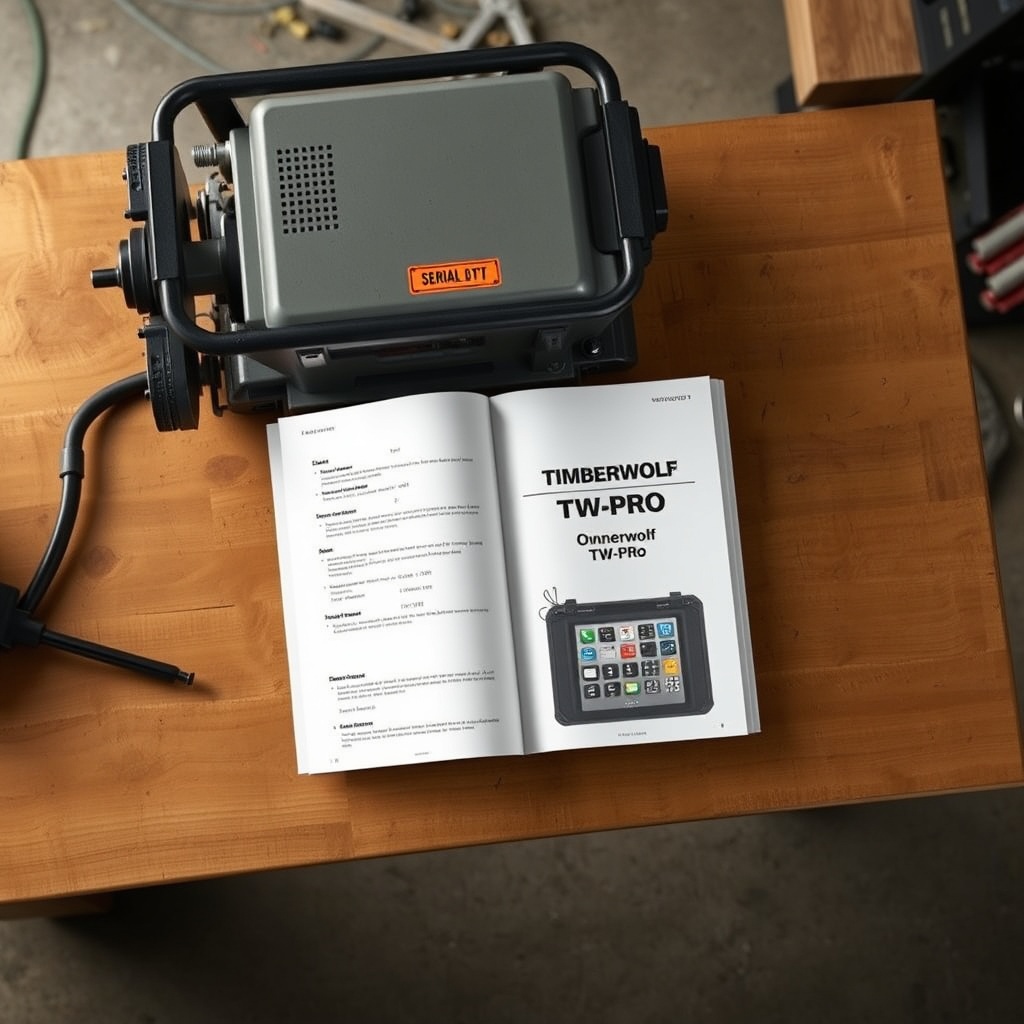
Insist on the original owner’s manual and any service records. A TW-PRO that has documented oil and filter changes every 100 hours is worth $500 to $1,000 more than one without records. Look for the splitter’s serial number on the frame behind the wedge. Cross-reference with the manufacturer to confirm model year and recall status. Common accessories include a log lift extension, an elevated conveyor discharge, and a tow bar. If the seller is missing the original manual, download a PDF from the Timberwolf website before finalizing the deal.
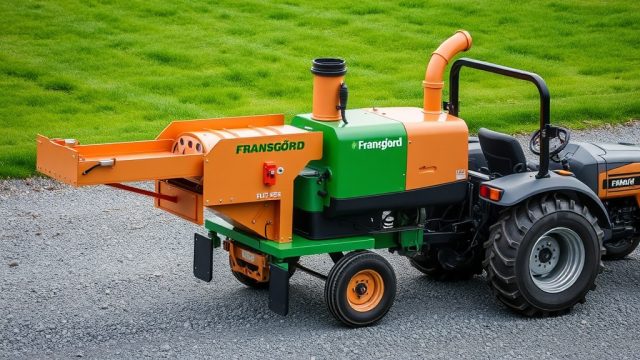
If you are comparing the TW-PRO to Scandinavian alternatives, see Timberwolf TW-PRO vs Fransgård TC-10: A Side-by-Side Comparison for differences in build quality and hydraulic performance.
What Owners Say
“I bought a used 2018 TW-PRO with 400 hours on it. The wedge needed a new edge after working a season of oak, but the gearbox was still tight. I wish I had checked the conveyor slat bolts earlier—two were loose and one fell off during the first load. Easy fix, but it cost me an extra hour of sorting.”
“After three years of processing about 60 cords per year, the hydraulic pump started whining. I replaced it in an afternoon with a $350 aftermarket unit. The original manual said 5 gallons of hydraulic fluid, but I needed 6 to refill the system. Check the dipstick level hot—it’s more accurate than the manual says.”
“If I were buying again, I’d prioritize the diesel version. My gas TW-PRO drinks fuel when idling between logs, and the carburetors need cleaning every season. One neighbor’s Yanmar unit has 900 hours with just oil changes and a fuel filter swap.”
Frequently Asked Questions
What is the maximum log diameter the TW-PRO can process?
The Timberwolf TW-PRO accepts logs up to 14 inches in diameter and up to 24 inches long. The 25-ton wedge can split most hardwoods within that dimension, but wet or knotted wood may require two passes.
How often should I change the hydraulic fluid?
Timberwolf recommends changing the hydraulic fluid every 500 hours or once per season, whichever comes first. Use ISO VG 32 hydraulic oil for standard conditions. In very cold climates (below 20°F), switch to ISO VG 22 for easier cold starts.
Can the TW-PRO be towed on the highway?
Yes, the TW-PRO comes with a 2-inch coupler and surge brakes on models after 2020. Verify the brake actuator functions before towing heavy loads. Maximum recommended towing speed is 45 mph for models with 13-inch wheels.
What is the resale value of a five-year-old TW-PRO?
Used TW-PRO units from 2019–2020 typically sell for $8,500 to $11,000 in good condition, depending on hours and engine type. Diesel versions command a $2,000 to $3,000 premium over gas models.
Is the TW-PRO compatible with a three-point hitch?
No, the TW-PRO is a standalone unit with its own engine and running gear. It is not designed to attach to a tractor. For a PTO-driven option, look at the Timberwolf TW-5 or the TW-8.
Where can I find replacement parts for an older TW-PRO?
Timberwolf dealers stock most wear items like wedges, belts, and spools. For discontinued parts, check online marketplaces or salvage yards that specialize in forestry equipment. Always have your machine’s serial number handy when ordering.