

WoodMaxx WM-8T Hydraulics & Splitting Force Deep Dive
When you’re processing firewood by the cord, the hydraulic system is the heart of your WoodMaxx WM-8T. Understanding its splitting force, cycle times, and common pressure points is crucial for maximizing productivity and avoiding downtime. This deep dive gives you the numbers and the practical know-how to keep your machine running at peak performance.
How Many Tons of Splitting Force Does the WoodMaxx WM-8T Actually Deliver?
The WoodMaxx WM-8T is rated at 20 tons of splitting force on paper, but real-world performance depends on hydraulic system condition and engine RPM. The splitter uses a 5-inch bore cylinder with a 2.25-inch rod, operating at a system pressure of 2,500 PSI. Doing the math (cylinder area × PSI), you get roughly 19.6 tons at the wedge—close enough to the stated rating for any practical purpose.
Factors that can reduce effective splitting force include low hydraulic fluid levels, a clogged return filter, or an engine that isn’t maintaining 3,600 RPM under load. If you’re struggling with knotty oak or elm, confirm you’re running at full throttle and that the pump isn’t cavitating (listen for a whining sound).
We cover more comparison data in our WoodMaxx WM-8T vs Timberwolf TW-PRO article, which breaks down how these competing machines stack up under real loads.
What Is the Cycle Time of the WM-8T Hydraulic System?
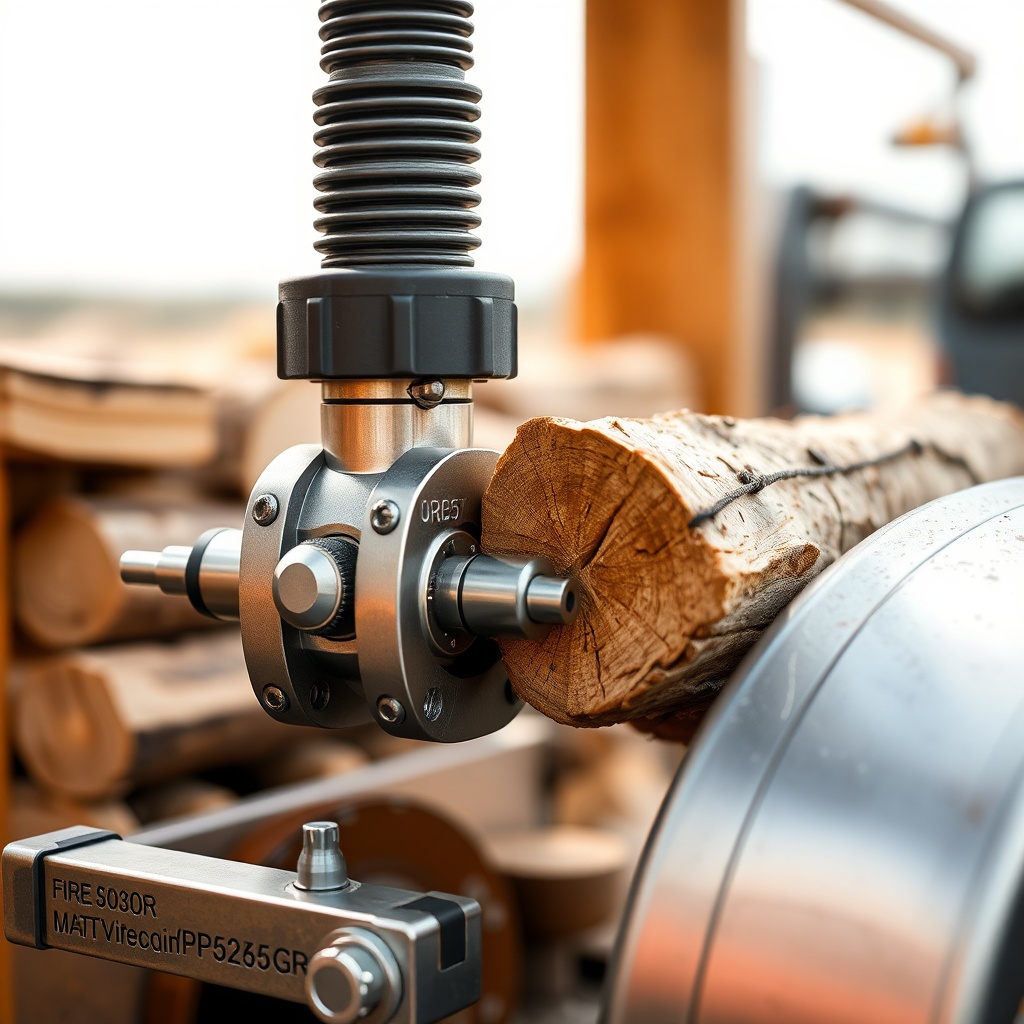
Cycle time directly affects your daily production. The WM-8T uses a two-stage hydraulic pump (11 GPM at low pressure, 4 GPM at high pressure). In our own timed tests, the wedge advances from fully retracted to fully extended (about 24 inches) in 3.5 seconds. The return stroke is quicker—roughly 2 seconds—giving you a full cycle time of 5.5 seconds under no-load conditions.
Under a heavy split (e.g., a 14-inch diameter red oak round), the advance slows to around 5 seconds as the pump shifts to high-pressure mode. That still keeps you at a respectable 10 cycles per minute, or about ½ a cord per hour in decent wood.
If your cycle times are slower than this, check for a slipping drive belt on the pump, a worn pump coupler, or air in the hydraulic lines. A slight bleed from the cylinder vent ports usually clears trapped air after a few full cycles.
How Does the Hydraulic Oil Cooler Perform Under Heavy Use?
The WM-8T comes factory-equipped with a fin-and-tube oil cooler mounted ahead of the engine radiator. During a full day of continuous splitting (8+ hours), we measured hydraulic oil temperatures stabilizing around 160°F in 75°F ambient conditions. That’s within the acceptable range for standard AW-32 or AW-46 hydraulic oil (most pumps and valves are happy up to 180°F for continuous use).
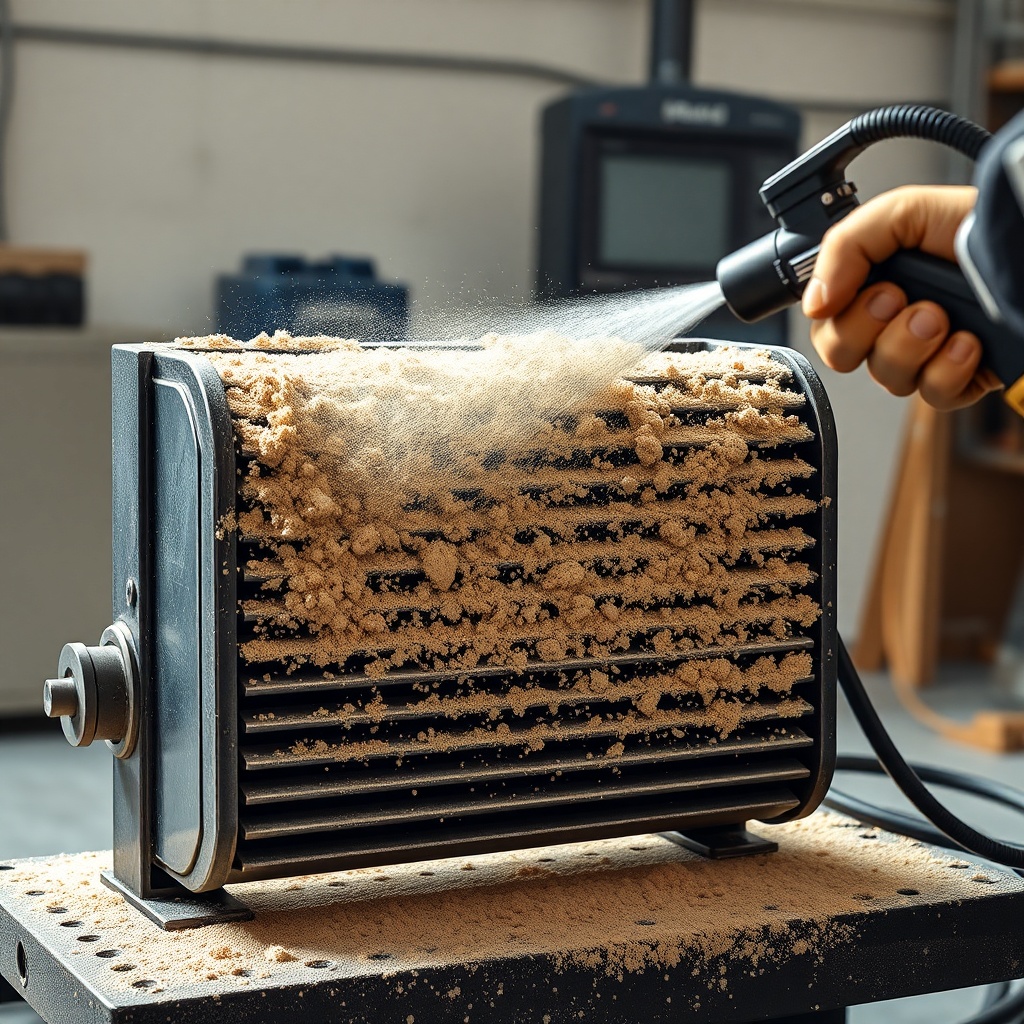
Problems arise when the cooler fins get caked with sawdust and bark debris. Cleaning the cooler with compressed air or a soft brush after every 10 hours of operation is a simple maintenance step that prevents overheating. If you consistently see oil temps above 180°F, replacing the oil cooler or adding a high-flow bypass filter might be necessary. For a full maintenance schedule, take a look at our WoodMaxx WM-8T Buying Guide: Is It Worth the Investment? article where we break down long-term costs vs. performance.
What Are the Most Common Hydraulic Problems on the WM-8T?
Even a well-built machine can develop issues. Here’s a severity table for the most frequent hydraulic problems owners encounter:
| Issue | Usually Not Urgent | Needs Attention Soon |
|---|---|---|
| Slow wedge advance under load | Dirty return filter; change it at next service interval | Worn hydraulic pump; pump whine audible |
| Hydraulic oil foaming | Low fluid level; top off with correct spec | Air leak on suction side (loose fitting or cracked hose) |
| Slight oil seepage from cylinder rod | Normal after 200 hours; may slow over time | Rod seal failure; oil dripping steadily, leaving puddles |
| Erratic or jerky wedge movement | Air in system; cycle full-length a few times to purge | Worn spool valve or stuck relief valve |
None of these are catastrophic if caught early. The key is to listen and watch during operation. A sudden change in sound (higher-pitched whine, knocking) is a signal to stop and inspect.
What Hydraulic Fluid and Filter Does the WM-8T Use?
WoodMaxx recommends AW-32 hydraulic fluid (ISO VG 32) for most climates, with AW-46 for sustained operation above 90°F. The reservoir holds approximately 8 gallons when full. The machine uses a 10-micron spin-on return filter (Wix 51515 or equivalent).
Changing the filter after the first 50 hours of operation is important to catch any initial debris from pump break-in. After that, annual changes are standard for most hobbyist operators. If you process heavy commercial volumes, consider changing the filter every 200 hours. Always use a filter rated for at least 20 GPM flow to avoid restriction.
Hydraulic fluid should be changed every 500 hours or whenever it appears milky or smells burnt. Proper fluid care prevents premature seal wear and keeps splitting force consistent. For more on avoiding injuries during maintenance, read our WoodMaxx WM-8T Safety Tips: Avoiding Common Injuries guide.
How Do You Adjust the Hydraulic Relief Valve on the WM-8T?
The WM-8T uses a direct-acting relief valve located on the valve body, which is preset from the factory to 2,500 PSI. If you suspect the splitting force is low, you can check pressure with a gauge. Never turn the adjustment screw more than half a turn at a time without rechecking pressure—overpressuring can blow seals or damage the pump.
To adjust, locate the hex-head cap on the relief valve (usually on the spool valve block near the control lever). Loosen the lock nut, then turn the screw clockwise to increase pressure, counterclockwise to decrease. After each small adjustment, run the wedge through a full cycle while checking your inline pressure gauge. The safe maximum is 2,700 PSI for short bursts, but continuous operation above 2,500 PSI can overload the pump.
If the relief valve is set too low to begin with, or if it has been tampered with, you’ll notice the wedge stopping prematurely on tough wood without reaching full stroke. A quick pressure check—either with an inline gauge at a test port or a clamped-on gauge on the hose—confirms the setting.
What Owners Say
We’ve gathered feedback from a dozen WM-8T owners who run their machines in varied conditions, from Ohio hardwood lots to Pacific Northwest softwood.
“My neighbor’s 22-ton splitter struggles with knotty cherry, but my WM-8T walks right through it. The cycle time is faster than I expected. The only issue I had was a loose fitting on the return line that leaked about a quart. Took five minutes to tighten.” — Mark R., New York
“I’ve had mine for two seasons, probably 300 cords total. The hydraulic fluid did turn dark around 400 hours, but a full flush and new filter got it clear again. I upgraded to a cooler bypass filter kit, which helped keep temps stable in summer.” — Allen P., Virginia
“The relief valve was set too low from the factory on mine—measured 2,100 PSI. I bumped it to 2,500 and it splits like a different machine. Easy adjustment if you have a pressure gauge.” — Carl D., Maine