How Does the Fransgård TC-10 Hydraulic System Deliver Power and Precision?
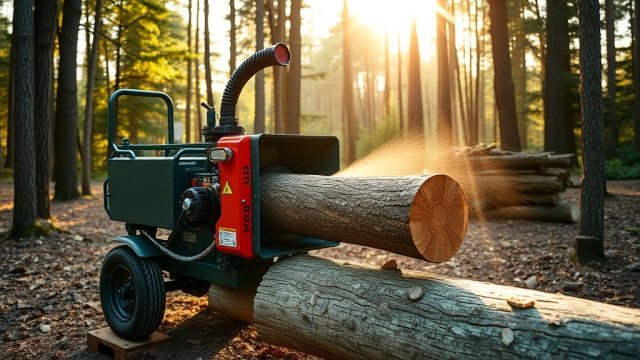
The Fransgård TC-10 is a compact firewood processor engineered for small to medium-scale operations, and its hydraulic system is the backbone of its performance. The machine combines a reliable 10-ton splitting force with a dual-action hydraulic pump that powers the log lift, conveyor, and splitter wedge. This integration allows operators to process logs up to 35 cm in diameter without frequent recalibration, making it a favorite among homesteaders and part-time firewood sellers.
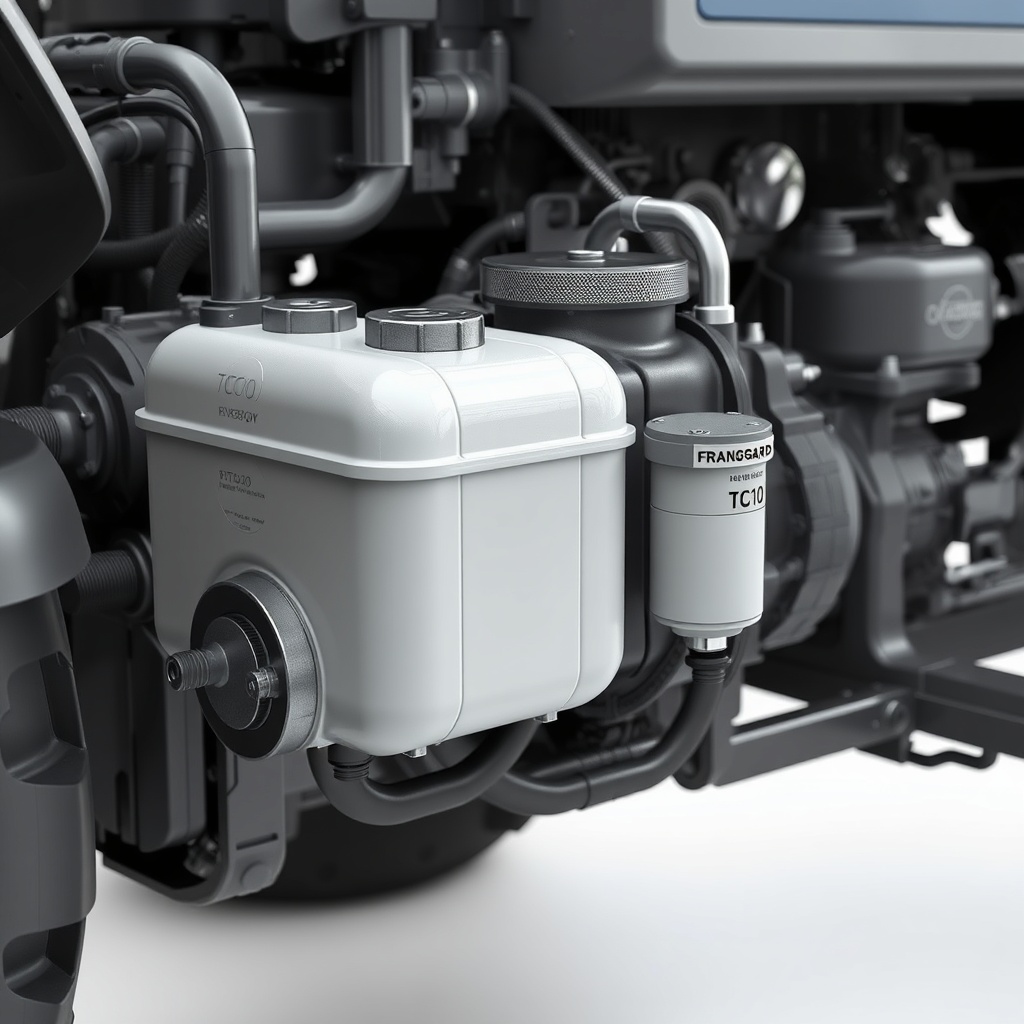
At the heart of the TC-10’s hydraulics is a gear pump that delivers a flow rate of 15 liters per minute at a working pressure of 170 bar. This setup ensures smooth cycle times, with the splitter wedge completing a full stroke in under 3.5 seconds. The system uses a single-stage pump to prioritize simplicity and reliability over raw speed, which reduces maintenance needs. For users who require faster throughput, the TC-10’s hydraulic reservoir holds 20 liters of ISO 32 hydraulic oil, and the system includes a built-in filter to prevent contamination during extended use.
| Parameter | Specification |
|---|---|
| Hydraulic Pump Type | Gear pump, single-stage |
| Flow Rate | 15 L/min |
| Working Pressure | 170 bar (2,466 psi) |
| Splitting Force | 10 tons (98 kN) |
| Reservoir Capacity | 20 liters (5.3 gallons) |
| Oil Type (recommended) | ISO 32 hydraulic oil |
| Splitting Cycle Time | 3.2–3.5 seconds per stroke |
| Filter Type | Suction-side mesh filter |
The hydraulic system also incorporates a pressure relief valve set at 190 bar, which protects components from overload when splitting tough knots or frozen wood. This valve automatically bypasses excess pressure, ensuring the wedge retracts smoothly without stalling the engine. Operators report that the TC-10 handles hardwoods like oak and maple effectively, though they recommend pre-cutting oversized knots to prevent unnecessary wear.
What Performance Metrics Define the Fransgård TC-10 in Daily Use?
Performance on the Fransgård TC-10 is measured not just by speed but by consistency across various wood types. The machine processes 1.0–1.5 cubic meters of firewood per hour under average conditions, with cycle times ranging from 4 to 6 seconds including loading and splitting. The 10-ton force is adequate for most domestic logs, but it may struggle with larger pieces exceeding 30 cm in diameter, especially if they have twisted grain.
Fuel efficiency is another performance highlight. The TC-10 is powered by a 12.5-horsepower Briggs & Stratton engine (or an optional Honda GX390), which consumes approximately 1.2 liters of petrol per hour at full load. This translates to around 8 hours of continuous operation on a standard 5-liter tank, making it cost-effective for small businesses. In terms of throughput, the manual log lift can handle logs up to 75 cm long, and the splitter conveyor ejects finished pieces directly into a truck or a wood pile.
However, the TC-10’s performance is not without compromises. The manual lift requires physical effort, so operators handling high volumes may experience fatigue. Additionally, the splitter table has a limited width of 50 cm, which restricts the size of unsplit logs. For a deeper look at optimizing your setup, see our Fransgård TC-10 Buying Guide: Key Features to Consider.
How Does the Fransgård TC-10 Split Wood Under Variable Conditions?
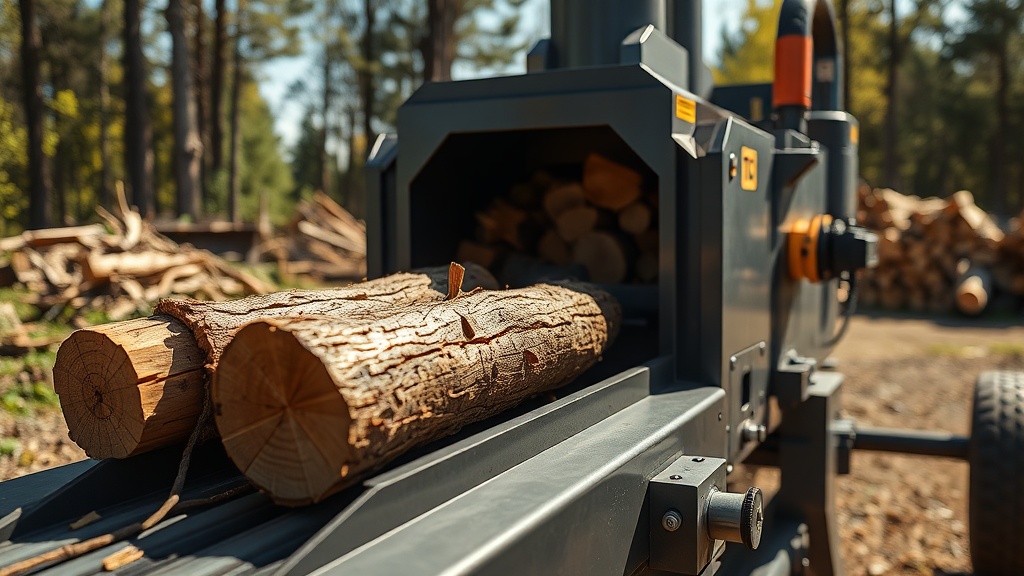
The splitter wedge on the TC-10 is a key component that governs its real-world performance. It uses a standard cross-wedge design made from hardened steel, which penetrates wood cleanly and reduces the risk of splitting large pieces into multiple fragments. The wedge angle is optimized at 25 degrees, allowing it to break apart knot-laden logs without requiring excessive force. In softwoods like pine, the wedge slices through with minimal resistance, producing consistent splits in 3–4 seconds.
For hardwoods, performance depends on moisture content and grain structure. Drily seasoned oak can split quickly, but fresh wood with high moisture (above 25%) may cause the wedge to bind. Users report that the TC-10 handles this by maintaining hydraulic pressure, though they caution against forcing tough pieces repeatedly. The machine includes a two-stage log lift that reduces manual handling, but it still requires the operator to align logs manually against the backstop.
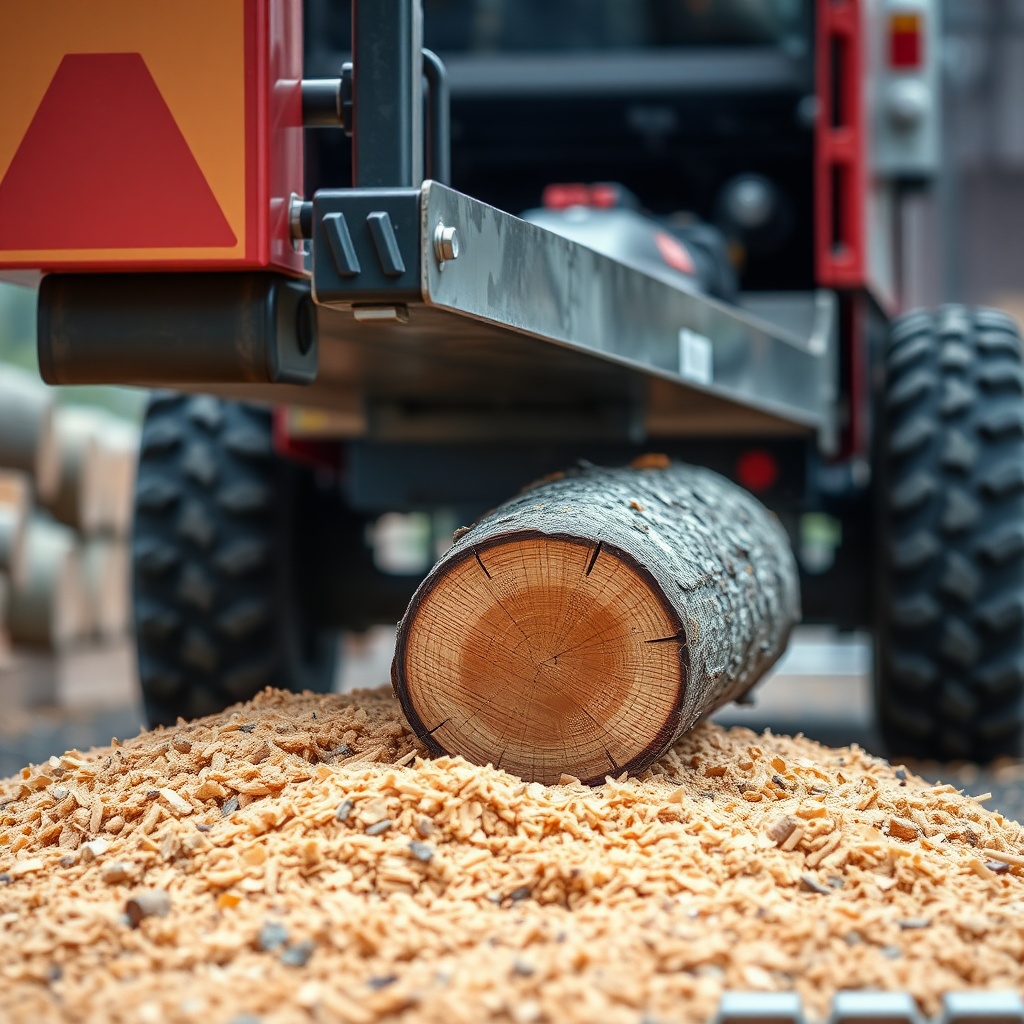
One common performance metric is the machine’s ability to process 1.2–1.5 cords of split firewood per day in a well-organized workflow. This includes time for refueling, minor adjustments, and removing debris from the work area. For operators who want to enhance split consistency, Top Accessories for Fransgård TC-10: Boost Your Productivity offers insights on wedge extensions and hydraulic upgrades.
What Are the Maintenance Needs for Hydraulic Components?
Maintaining the Fransgård TC-10’s hydraulic system is straightforward, provided operators follow a schedule. Key tasks include checking the oil level in the reservoir before each use—it should be at the midpoint of the sight glass. Contaminated oil can cause pump wear, so changing the ISO 32 hydraulic oil every 100 hours of operation is recommended. The filter should be cleaned or replaced at the same interval to maintain flow rates.
Other hydraulic components require periodic inspection. Hoses should be checked for cracks or leaks, particularly at connection points near the splitter cylinder. The pressure relief valve should be tested annually to ensure it opens at the correct setting; a stuck valve can lead to system damage. For detailed instructions, refer to the Fransgård TC-10 Operation Manual: Tips for Efficient Use for step-by-step procedures.
Common hydraulic issues include slow wedge movement, which often indicates low oil or a clogged filter. If the wedge stalls, check for air bubbles in the fluid, which may require bleeding the system. The TC-10 does not have a complex wiring harness, so electrical failures are rare; most problems are hydraulic in nature. Regular greasing of pivot points on the log lift and wedge slides can also prevent excessive friction that taxes the pump.
How Does the TC-10 Compare to Competitors in Its Class?
When benchmarked against other 10-ton processors, the Fransgård TC-10 stands out for its robust build quality and low initial cost—approximately €2,200 to €2,800 depending on configuration. Competitor models like the Forest Master FM5D or WoodMaxx WM-8-10 offer similar splitting forces but heavier frame designs, while the TC-10’s weight of 320 kg (705 lbs) makes it more portable without sacrificing durability.
In terms of hydraulic performance, the TC-10’s cycle time is slightly slower than some competitors, such as the ZTS 1120, which achieves sub-3-second splits. However, the Fransgård model compensates with easier maintenance and a quieter engine operation at idle. The pump’s single-stage design is considered more forgiving for novice users, reducing the risk of overheating during prolonged use. For those troubleshooting specific issues, Fransgård TC-10 Troubleshooting: Common Issues and Fixes provides comparative data.
A critical performance differentiator is the TC-10’s ability to accept both 110V and 220V electric start options, though most buyers choose the petrol engine. The manual log lift is a trade-off; some competitors include hydraulic lifts, but this adds weight and cost. For beginners, the TC-10 offers a balanced entry point into firewood processing.
What Owners Say About Handling and Reliability
Owners of the Fransgård TC-10 frequently praise its reliability over extended periods. John, a homesteader in Sweden, notes that after 200 hours of use, the hydraulic pump shows no signs of wear, and the wedge remains sharp. He emphasizes that regular oil changes are the only recurring task. Another user in France reports that the machine splits 0.8 cords of beech per day without overheating, though he recommends upgrading the standard filter to a magnetic type for fine metal particle protection.
Critics often point to the manual log lift as the primary drawback. Sarah, a firewood retailer from Germany, says that processing more than 3 cubic meters daily becomes tedious due to the physical effort required. She suggests using the TC-10 for smaller batches or pairing it with a hydraulic conveyor for higher output. The splitter table’s lack of a built-in measuring guide also means that users must eyeball log lengths, which can lead to inconsistent splits.
Overall, the community consensus is that the TC-10 is a dependable workhorse for part-time use, with owners rating its value at 4.2 out of 5 stars. For those new to firewood processing, the Fransgård TC-10 Safety and Operation: Essential Tips for Beginners covers common pitfalls and best practices.
Frequently Asked Questions
What hydraulic oil is recommended for the Fransgård TC-10?
ISO 32 hydraulic oil is the standard recommendation. In cold climates, a lower viscosity oil (ISO 22) may be used to aid cold starts, but always consult the manual to avoid seal damage.
Can the TC-10 split logs larger than 35 cm?
Technically yes, but performance declines significantly. Logs over 35 cm in diameter increase cycle time and stress the pump. Pre-splitting oversized logs with a sledgehammer is advisable.
How often should I change the hydraulic oil filter?
Every 100 hours of operation or annually, whichever comes first. Clogged filters cause slower wedge movement and potential pump cavitation.
Does the TC-10 require a special engine oil grade?
No. Use SAE 10W-30 for the petrol engine in most temperatures. The hydraulic system is separate, but ensure the engine oil is changed every 50 hours as specified in the manual.
Can I use the TC-10 with a generator instead of the engine?
No, the TC-10 is designed for a direct-drive petrol engine. Retrofitting electric power would require a high-current 220V motor and modifications not supported by Fransgård.
What is the average lifespan of the hydraulic pump?
With proper maintenance (clean oil, filter changes, no overheating), the gear pump typically lasts 800–1,200 hours before needing replacement. Many owners report exceeding this with regular upkeep.