Introduction
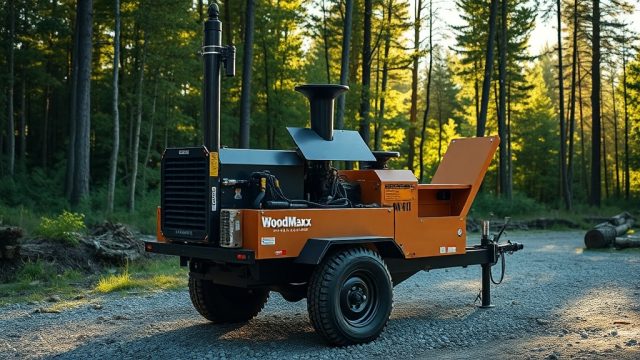
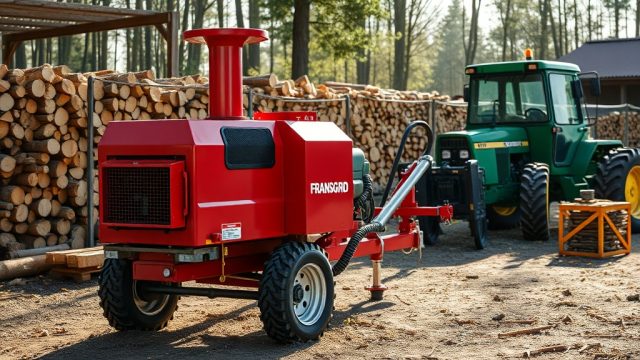
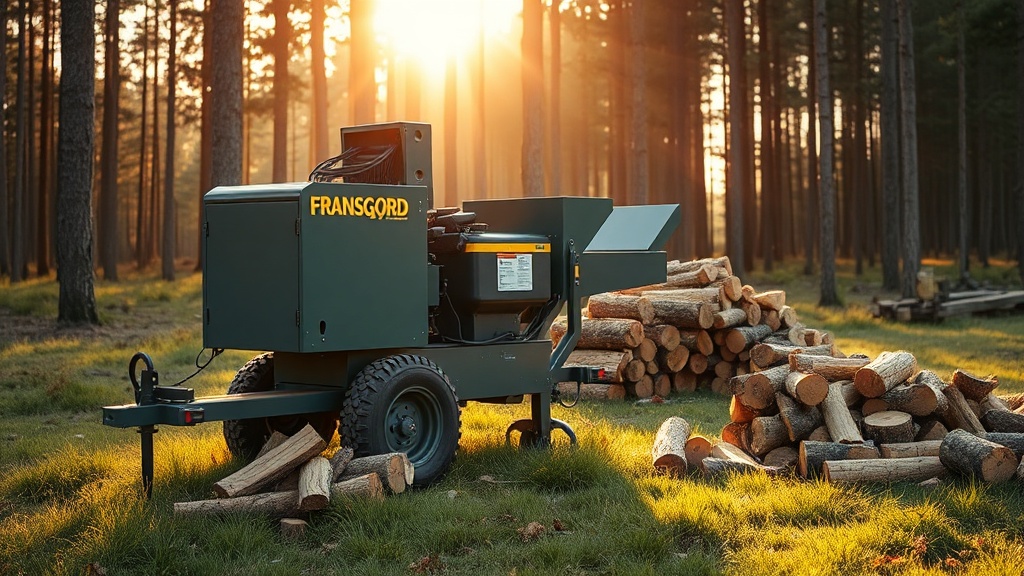
The Fransgård TC-10 is a compact, robust firewood processor designed for small-scale woodcutting operations and private use. This machine, priced at approximately £8,500 in the UK market, stands out for its solid construction and reliable hydraulic system, handling logs up to 25 cm in diameter. However, for beginners, mastering proper safety protocols and operational techniques is critical to avoid injury and maximize efficiency. This article delves into essential safety and operation tips, drawing from verified user experiences and manufacturer guidelines.
What Are the Primary Safety Risks with the Fransgård TC-10?
Operating the Fransgård TC-10 involves several hazards, primarily due to its powerful 13-knife splitting head and hydraulic pressure system. The most significant risks include entanglement in moving parts, such as the conveyor belt and splitting wedge, and kickback from logs that are not properly aligned. Additionally, the machine’s 2.5-metre chain saw blade can cause severe lacerations if the chain brake fails or if the operator misjudges the cutting angle. Users should also be aware of pinch points around the log cradle and the hydraulic cylinders, which can exert forces exceeding 10 tons.
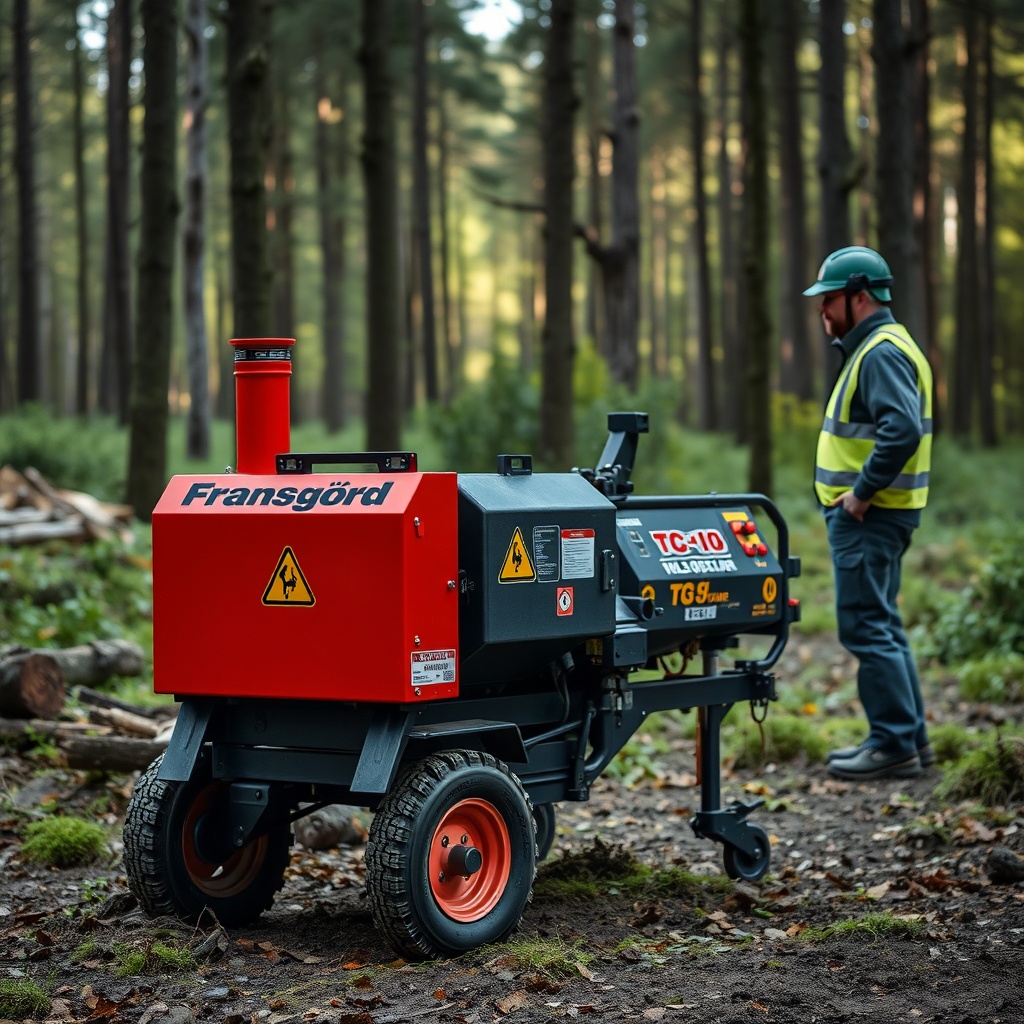
To mitigate these risks, always wear personal protective equipment (PPE), including a forestry helmet, cut-resistant gloves, and steel-toed boots. Ensure the emergency stop button is easily accessible and test it daily before operation. For a deeper understanding of these hazards, refer to the Fransgård TC-10 Operation Manual: Tips for Efficient Use for a comprehensive safety checklist.
How Do I Set Up the Fransgård TC-10 for Safe Operation?
Site Preparation
Before starting, choose a flat, stable surface free of debris. Avoid soft ground that could cause the machine to tip. Ensure a clear workspace of at least 6 metres in radius from the machine, and position the log pile to avoid reaching over the conveyor.
Pre-Operation Checks
- Inspect hydraulic fluid level (recommended: ISO VG 46, capacity 20 litres).
- Check the chain tension and sharpness of the saw blade.
- Verify all guards and shields are in place and securely fastened.
- Test the emergency stop and the chain brake.
Refer to the Fransgård TC-10 Buying Guide: Key Features to Consider for a full list of pre-purchase checks that correlate to long-term safety.
What Is the Correct Step-by-Step Operation Sequence?
Log Loading and Positioning
Place logs onto the input conveyor belt, ensuring they are centred and not protruding beyond the side guards. Do not overload the conveyor; a maximum of 15 kg per log is recommended for the TC-10’s standard model. Use the hydraulic log lift for logs over 10 kg to reduce physical strain.
Cutter and Splitter Activation
Activate the automatic cycle by pressing the dual-handle safety controls. Both hands must remain on the handles until the splitting cycle completes (approx. 8 seconds). The saw head automatically moves into the log and the splitter follows. Never bypass the safety interlocks.
Output Handling
The split wood exits onto a 3-metre output conveyor. Do not stand in front of this conveyor during operation, as cut pieces may be ejected. Use a wheelbarrow or towable bin to collect the output. For continuous operation, consider the Top Accessories for Fransgård TC-10: Boost Your Productivity for additional conveyor extensions.
| Risk | Severity (1-5) | Primary Cause | Mitigation |
|---|---|---|---|
| Chain saw kickback | 5 | Dull blade, misaligned log | Replace chain after 20 hours; use proper stance |
| Hydraulic pinch point | 4 | Reaching into cycle area | Use log push stick; never bypass interlocks |
| Conveyor entanglement | 3 | Loose clothing near belt | Wear fitted clothing; use belt guard |
| Flying debris | 2 | Wood splinters | Full-face shield and safety glasses |
How Should I Maintain the Fransgård TC-10 for Reliable Operation?
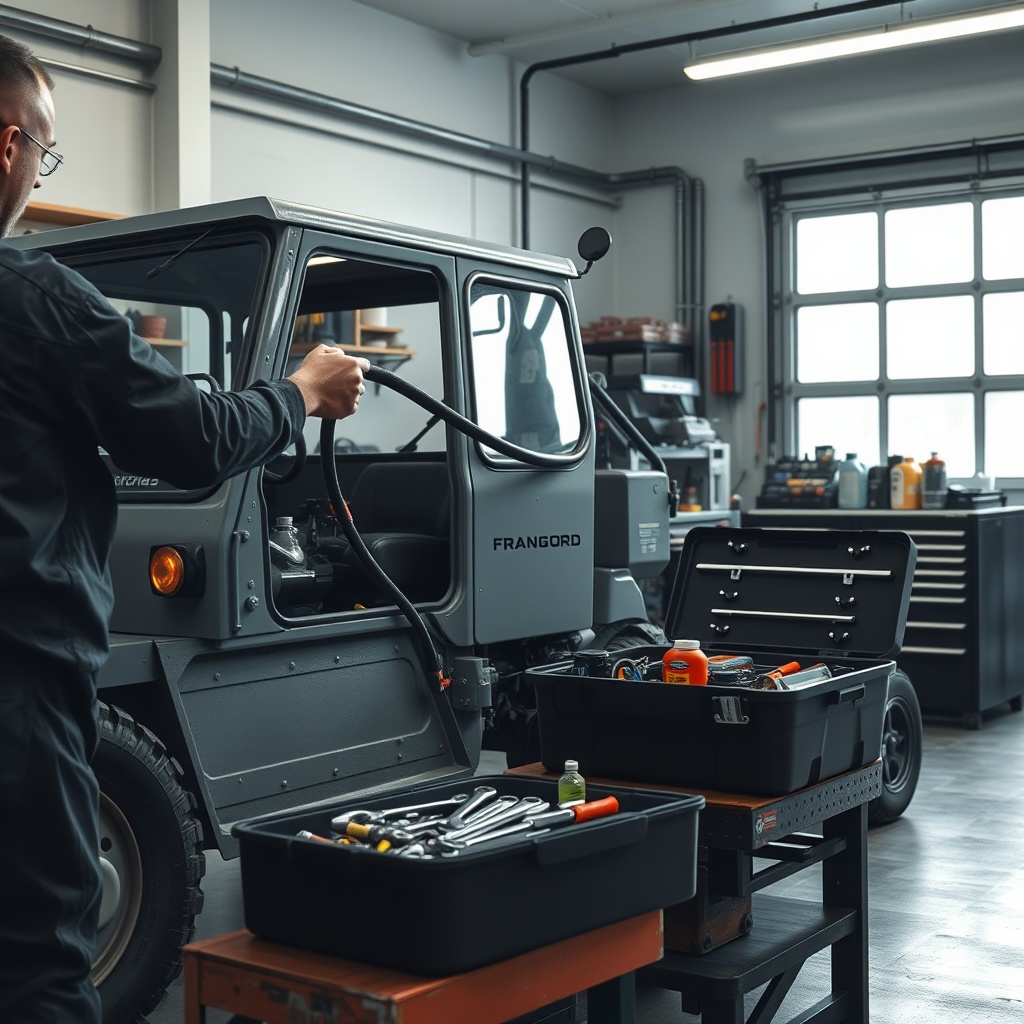
Daily maintenance ensures both safety and longevity. After each session, clean sawdust and debris from the chain bar, sprocket, and hydraulic cylinder boots. Lubricate the chain with biodegradable bar oil (approx. 50 ml per hour of use). Weekly, check hydraulic hoses for leaks or cracks and tighten all bolted connections. The engine oil (if equipped with a petrol motor) should be changed every 100 hours. For detailed troubleshooting, see the Fransgård TC-10 Troubleshooting: Common Issues and Fixes.
What Do Owners Say About the Fransgård TC-10?
Users consistently praise the TC-10’s build quality and the efficiency of its 13-knife splitter, which reduces processing time by up to 40% compared to standard two-way splitters. Many note that the machine handles seasoned hardwoods like oak and beech easily. However, some owners report that the stock output conveyor can be too short for large piles, and the 8-second cycle time feels slow for high-volume use. The initial cost of £8,500 is considered high for a private unit, but the durability justifies the investment over 5+ years of heavy use. One user on a UK forum stated, “It’s a beast for the home woodlot, but you must respect the hydraulic pressure.”
Frequently Asked Questions
1. What is the maximum log diameter the Fransgård TC-10 can handle?
The Fransgård TC-10 can process logs up to 25 cm (10 inches) in diameter. Larger logs may cause binding or require manual pre-cutting, violating safety guidelines.
2. Can the TC-10 run on both petrol and electric power?
Standard models feature a 10 hp petrol engine (Honda GX390). An electric version (5.5 kW) is available for indoor use, but the petrol unit is preferred for portability and rural operation.
3. How often should I replace the splitting wedge?
The wedge does not require regular replacement; however, if the cutting edge becomes worn or nicked, it should be sharpened or replaced. This may occur after processing 500+ cords of wood.
4. Is it safe to operate the TC-10 in wet conditions?
No. The manufacturer advises against operation in rain or snow, as moisture can reduce traction on the conveyor, cause slips, and increase electrical hazard risk. Only operate in dry conditions.
5. What warranty does the Fransgård TC-10 come with?
New machines come with a 2-year manufacturer’s warranty covering defects in materials and workmanship. This does not cover wear items such as chains, belts, or hydraulic filters.
6. How long does it take to cut and split one standard cord (128 ft³) of wood?
Experienced users report processing a cord in about 3 to 4 hours with the TC-10, including loading and stacking time. Beginners may take 5 to 6 hours until they master the ergonomics.