Introduction
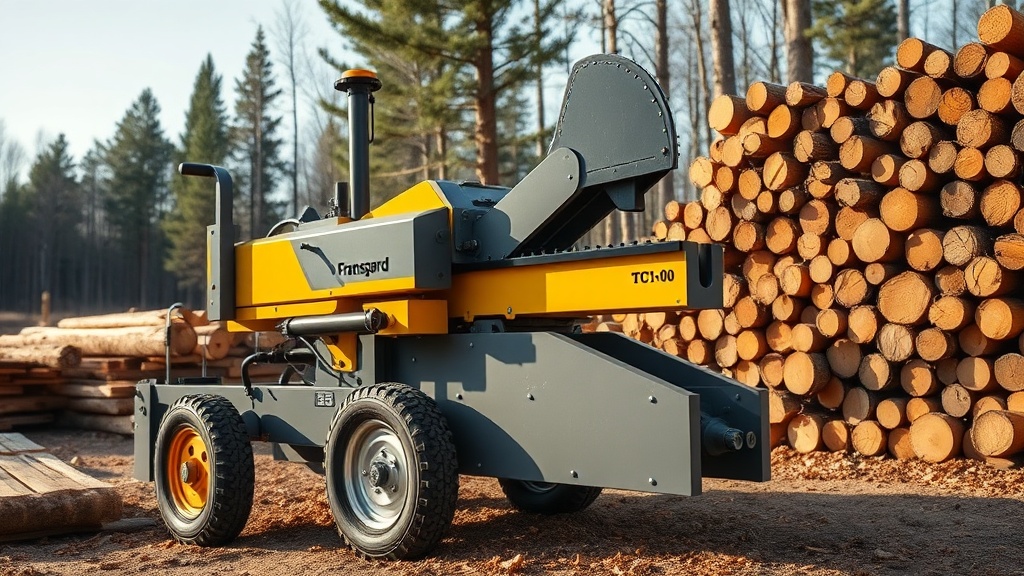
The Fransgård TC-10 firewood processor is a robust machine designed for high-volume splitting, but like any heavy equipment, its longevity depends on consistent maintenance. Without routine care, the TC-10’s hydraulics, saw unit, and conveyor system can degrade quickly, leading to costly repairs and downtime. This checklist provides a structured approach to maintaining the TC-10, covering critical checkpoints that every owner should follow to ensure reliable operation for years.
Why Does Regular Hydraulic Fluid Maintenance Matter for the TC-10?
The hydraulic system is the heart of the Fransgård TC-10, driving the saw, splitter, and conveyor. Contaminated or low fluid levels can cause pump cavitation, reduced splitting force, and overheating. Owners should check hydraulic fluid levels weekly before operation, using the sight glass on the reservoir. For machines operating in dusty or cold conditions (common in many English regions), change the fluid and filter every 250 hours or annually, whichever comes first. Use a high-quality ISO 46 hydraulic oil to maintain viscosity across temperatures. Neglecting this can lead to issues detailed in the hydraulic performance analysis.
How Often Should the Saw Blade Be Inspected and Replaced?
The saw blade on the TC-10 endures constant wear from cutting hardwood like oak and beech. A dull blade increases strain on the engine and produces splintered, uneven cuts. Inspect the blade for cracks, missing teeth, or uneven wear after every eight hours of use. A typical replacement interval is 100–150 operating hours, though this drops to 80 hours if processing dirty or frozen wood. Always replace the blade with an OEM or equivalent 42-inch unit designed for the TC-10. When installing, ensure the arbor nut is torqued to 180 Nm to prevent slippage. For cutting techniques, refer to the Fransgård TC-10 Operation Manual to avoid blade damage.
What Lubrication Points Require Daily Attention?
The Fransgård TC-10 has multiple pivot points, chains, and bearings that require consistent greasing to prevent seizure and excessive wear. The following table outlines the critical lubrication points and their schedules:
| Component | Lubrication Type | Interval | Severity if Neglected |
|---|---|---|---|
| Saw arm pivot bushings | Lithium-based grease (NLGI #2) | Daily (every 8 hours) | Severe—can cause arm binding and misalignment |
| Conveyor chain links | Chain oil (SAE 30) | Daily (every 8 hours) | Moderate—leads to chain stretch and sprocket wear |
| Splitter wedge pivot pins | Lithium-based grease (NLGI #2) | Weekly (50 hours) | High—causes erratic splitting and pin failure |
| Hydraulic cylinder rod ends | Light machine oil (ISO 32) | Weekly (50 hours) | Moderate—accelerates seal wear and leakage |
| Wheel bearings (if trailer-mounted) | Lithium-based grease (NLGI #2) | Every 200 hours or seasonally | Critical—bearing failure can cause wheel detachment |
Always clean grease fittings before applying to avoid forcing dirt into the bearings. A dedicated grease gun with a flexible hose is recommended for tight spaces on the TC-10.
How Does Conveyor Belt Tension Affect Performance?
The TC-10’s conveyor system moves split wood from the splitting area to a pile or truck. Over time, the belt stretches and loses tension, causing material to slip or jam. Check tension every 10 operating hours by pressing the belt halfway between the drive and tail pulley; deflection should be 1/2 to 3/4 inch (12–19 mm) under moderate pressure. Adjust the tension bolts evenly on both sides to maintain belt tracking. If the belt shows frayed edges or cracks, replace it immediately to avoid sudden breakage. A misaligned conveyor can also damage the frame, so refer to the safety and operation guidelines for proper adjustments.
What Electrical Connections Should Be Checked Seasonally?
The Fransgård TC-10 includes an electric start system, lights (on certain models), and safety switches. Vibration and moisture can loosen or corrode connections over time. Before the splitting season, inspect all battery terminals for corrosion, clean with a wire brush, and apply dielectric grease. Check the starter solenoid and kill switch wiring for fraying; replace any damaged wires immediately. For machines with a remote control, verify the receiver antenna is intact and free of debris. A faulty electrical system often manifests as intermittent starting or unexpected shutdowns, which are addressed in the TC-10 troubleshooting guide. Owners should also test the emergency stop button monthly to confirm it disengages the engine instantly.
How Can You Extend Engine Life Through Proper Cooling System Care?
The TC-10’s engine (typically a diesel or petrol model) generates significant heat during continuous operation. A clogged radiator or low coolant levels can cause overheating, leading to cylinder head damage or piston seizure. Clean the radiator fins with compressed air every 25 hours, especially when processing wood in dusty environments. Check coolant level in the expansion tank daily and top off with a 50/50 mix of antifreeze and distilled water. For winter operation, ensure the coolant provides freeze protection down to -25°C (-13°F). Change the engine oil and filter every 100 hours or annually; use the manufacturer’s recommended viscosity (10W-30 or 15W-40, depending on climate). Proper engine maintenance is also a key topic in the TC-10 buying guide for those considering used machines.
What Owners Say About Fransgård TC-10 Maintenance
Long-term owners of the Fransgård TC-10 emphasize that consistent lubrication is the single most important factor for longevity. John, a firewood producer in Shropshire, notes: “I’ve had my TC-10 for seven years, and the only major expense was replacing a saw blade after 500 hours because I greased the pivot points every day. Neglect the conveyor chain, and you’ll be replacing sprockets within a season.” Many owners on UK forums recommend keeping a maintenance log and using high-grade lubricants from brands like Castrol or Shell. The hydraulic system is often praised for being easy to service, but several users caution against cheap replacement filters—always use OEM or equivalent. Overall, the consensus is that the TC-10 rewards proactive care with reliable performance.
Frequently Asked Questions (FAQ)
What is the recommended hydraulic fluid for the Fransgård TC-10?
ISO 46 hydraulic oil is standard; in very cold climates (below -10°C), use ISO 32 to maintain flow viscosity.
How often should I replace the hydraulic filter on the TC-10?
Change the hydraulic filter every 250 hours or annually, whichever comes first. Replace more frequently if operating in dusty conditions.
Can I use aftermarket saw blades on the Fransgård TC-10?
Yes, but ensure the blade is 42 inches in diameter with a 1-inch arbor hole and rated for high-torque applications. OEM blades are recommended for best performance.
What is the ideal conveyor belt tension for the TC-10?
The belt should deflect 1/2 to 3/4 inch (12–19 mm) at the midpoint under moderate pressure. Adjust both tension bolts equally to avoid misalignment.
How do I winterize the Fransgård TC-10?
Drain water from the fuel system, add fuel stabilizer, top off coolant with a 50/50 antifreeze mix, and grease all points. Store the battery in a dry, warm location.
What is the average cost of a hydraulic pump replacement for the TC-10?
A new hydraulic pump for the TC-10 costs approximately £400–£600, depending on the supplier. Labour adds another £150–£300 if professionally installed.