Why Size of the Log Splitter Matters for Efficiency
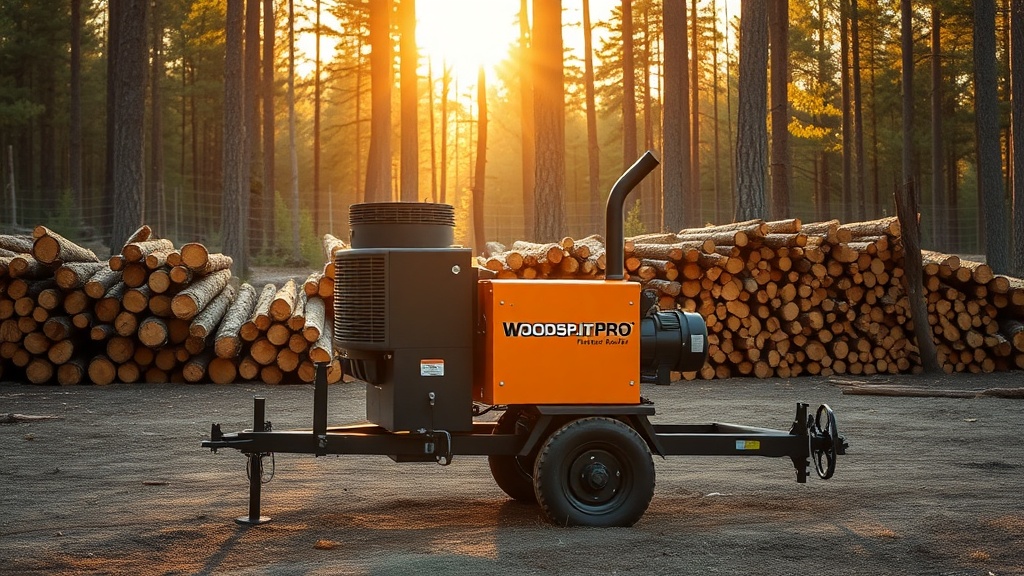
When evaluating a WoodSplitPro firewood processor, one must first consider the physical dimensions of the machine relative to the expected workload. The length of the splitting wedge, the capacity of the conveyor, and the overall footprint all directly influence productivity. Larger units, such as the WoodSplitPro 30-ton model, are designed for commercial operations processing multiple cords daily, while compact variants suit small-scale residential use. A mismatch in size can lead to bottlenecks in workflow or increased operator fatigue.
For instance, the entry-level WoodSplitPro 20-ton processor has a 9-inch splitting stroke and a 12-foot conveyor, ideal for handling logs up to 18 inches in diameter. In contrast, the heavy-duty 35-ton model extends the stroke to 14 inches and offers a 20-foot conveyor, accommodating logs up to 24 inches. Operators should match the machine’s capacity to the average log diameter in their region; hardwood regions demand longer strokes and higher tonnage. To see how these models compare in maintenance costs, review our WoodSplitPro vs Fransgård TC-10 Maintenance Comparison for real-world upkeep insights.
Hydraulic Tonnage: How Much Force Is Enough?
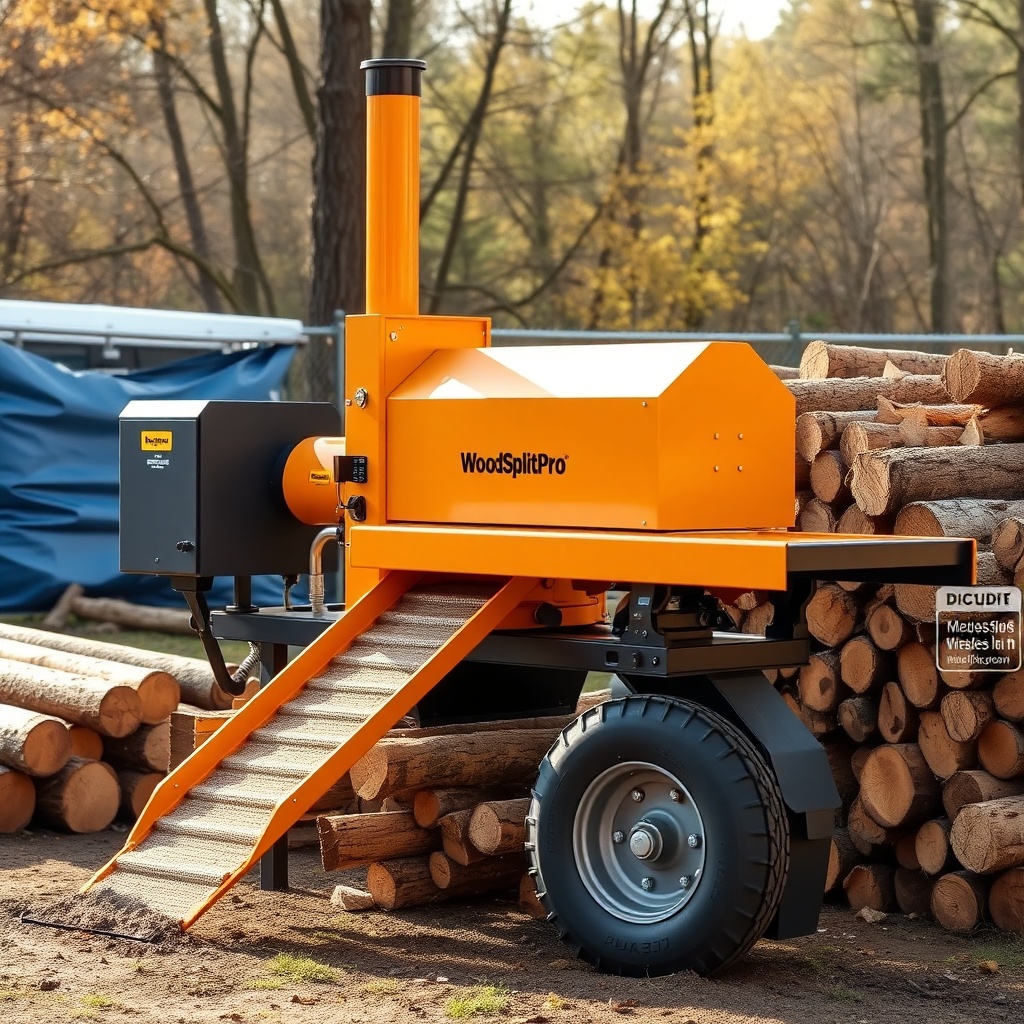
Hydraulic tonnage is the primary determinant of splitting speed and the ability to handle tough knots or green wood. WoodSplitPro processors range from 20 tons to 40 tons, with most professional models starting at 30 tons. A 30-ton unit generates approximately 60,000 pounds of splitting force, sufficient for most hardwoods like oak and hickory, even when frozen. For softer woods like pine or poplar, 20 tons often suffice, reducing wear on pumps and hoses.
However, tonnage alone does not guarantee performance; the hydraulic flow rate, measured in gallons per minute (GPM), affects cycle time. WoodSplitPro models with 16 GPM pumps achieve cycle times under 8 seconds, while lower-flow units may take 12 seconds or more. This distinction is critical for high-volume operation. For a technical breakdown of pump efficiency and valve timing, refer to our WoodSplitPro Hydraulics and Performance: A Technical Analysis. Table 1 below compares force and cycle times across popular models.
| Model Name | Ton Rating | Hydraulic Flow (GPM) | Cycle Time (seconds) | Max Log Diameter (inches) |
|---|---|---|---|---|
| WSP-20 | 20 | 11 | 12 | 18 |
| WSP-30 | 30 | 16 | 8 | 22 |
| WSP-35 | 35 | 18 | 7 | 24 |
| WSP-40 | 40 | 20 | 6 | 26 |
Conveyor and Chain Speed: Effects on Output Volume
The conveyor system is the backbone of any processor, dictating how quickly logs are fed and split pieces are ejected. WoodSplitPro uses a hydraulically driven chain-and-slat conveyor, with speeds adjustable from 30 to 80 feet per minute on premium models. Faster speeds increase throughput but require careful log placement to avoid jams. For modern units, a variable-speed control allows operators to match conveyor speed to splitter cycle time, optimizing flow.
Consider the WSP-35, which features a 20-foot conveyor with a 12-inch wide slat system. At maximum speed, it can process up to 2 cords per hour with a single operator. Lower-end models like the WSP-20 have fixed-speed conveyors at 40 feet per minute, capping output at 1.2 cords per hour. Conveyor length also matters: longer conveyors reduce the need for repositioning the machine, especially in tight woodpiles. Our WoodSplitPro Best Firewood Processors Under $5000 guide highlights budget-friendly options that still offer decent conveyor performance.
Engine Options: Gas, Diesel, or Electric?
WoodSplitPro offers engines from Kohler, Honda, and Yanmar, with choices between gasoline, diesel, and electric motors. Gasoline models (typically Kohler CH series) are common for mobile units due to portability and lower initial cost, ranging from 23 to 30 horsepower. Diesel variants, such as those with Yanmar 3-cylinder engines, provide higher torque and lower fuel consumption for stationary commercial use, albeit at a price premium of roughly $2,000 to $3,000 (USD).
Electric motors, available on select models like the WSP-30E, run quieter and require no fuel storage, but are limited by proximity to an electrical outlet. For remote logging sites, a gasoline engine with a 6-gallon tank offers 4 hours of continuous operation; diesel engines can run 8 hours on the same fuel load due to higher energy density. Operators should consider fuel availability and noise restrictions. For maintenance longevity, proper fluid care is essential—read our WoodSplitPro Hydraulic Fluid Change: Step-by-Step Guide to prevent pump wear.
Portability Features: Tires, Hitches, and Weight Distribution
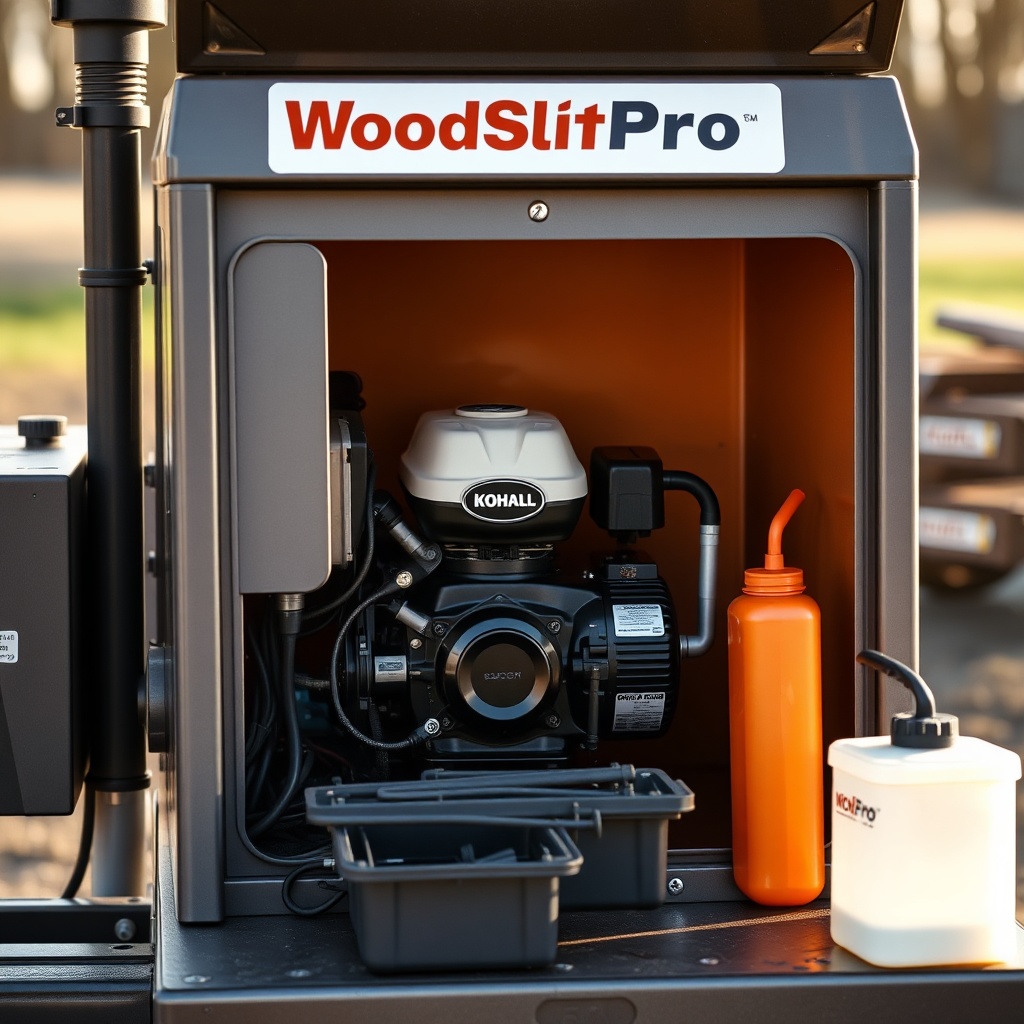
Portability is critical for mobile firewood operators. WoodSplitPro processors are available as towable units, typically on single-axle trailers with 15-inch tires weighing between 1,800 and 2,400 pounds. The WSP-35 model includes a 2-inch ball hitch and a manual jack, with an optional electric winch for positioning on sloped terrain. Weight distribution must be balanced front-to-back to prevent tongue load exceeding 300 pounds; many users add tongue weight by mounting extra fuel cans or toolboxes.
Trailer brakes are standard on models over 2,000 pounds in most states, with surge brakes on entry-level units and electric brakes on high-end models. The ability to detach the processor head from the trailer—available on select WSP models—simplifies storage and maintenance. For bundling options that include trailers, see our WoodSplitPro Bundle Deals: Cost-Saving Packages for Professional Firewood Processors for integrated purchase strategies.
Warranty Coverage and Extended Protection Plans
WoodSplitPro offers a standard limited warranty of 3 years on structural components (frame, wedge, beam) and 1 year on hydraulic components (pumps, valves, cylinders). Extended warranty plans are available for purchase, covering parts and labor for up to 5 years. Costs for extended coverage range from $350 to $700 (USD) depending on model, with the WSP-35 plan priced at $550. Owners report that the extended warranty pays for itself if a hydraulic pump fails, as replacement costs exceed $800.
Warranty claims require proof of proper maintenance, including documented hydraulic fluid changes and filter replacements. Neglecting these voids coverage. For a thorough cost-benefit analysis, read our WoodSplitPro Extended Warranty: Is It Worth the Investment? to decide if the protection aligns with your usage frequency.
What Owners Say
Owners consistently praise WoodSplitPro machines for robust frame construction and ease of splitter wedge adjustment. A typical review from a Virginia logger notes: “My WSP-30 has split over 500 cords in three years without any major repairs; just replace the hydraulic filter every 100 hours.” Conversely, some criticize the conveyor chain tensioning system, which requires periodic adjustment to prevent slippage.
Common positive points include the smooth hydraulic control valve, which allows precise log positioning, and the large-capacity log cradle that holds up to 5-foot logs. Negative feedback centers on the initial assembly process, which can take 4–6 hours. Overall, owner satisfaction scores average 4.5 out of 5 stars across dealer reviews, with reliability cited as the top strength.
Frequently Asked Questions
What is the average price range for a WoodSplitPro processor?
Prices range from $3,499 (USD) for the entry-level WSP-20 electric model to $8,999 for the WSP-40 diesel version, with midrange models like the WSP-35 gasoline around $6,499.
Can a WoodSplitPro be used for vertical splitting?
Most models are horizontal-only, but the WSP-35 offers an optional vertical conversion kit for splitting oversized rounds, adding $450 to the purchase price.
What hydraulic fluid does WoodSplitPro recommend?
The manufacturer recommends AW-32 or ISO 32 hydraulic fluid, with a total capacity of 8 gallons for the WSP-30 and 10 gallons for the WSP-40. For maintenance intervals, refer to the step-by-step guide above.
How often should the conveyor chain be lubricated?
Chain lubrication is needed every 10 hours of operation, using a high-viscosity oil. Daily inspection for loose links is recommended, especially after heavy use.
Does WoodSplitPro offer financing options?
Yes, dealer partners offer financing through third-party lenders with rates from 6.99% APR for 48 months, subject to credit approval. Bundled deals may include deferred interest promotions.
What safety features are included on WoodSplitPro machines?
Standard safety features include a two-handed splitter control, emergency stop button, chain guards on conveyors, and a hydraulic pressure relief valve. Additional foot pedals for hands-free splitting are optional on the WSP-35 and higher models.