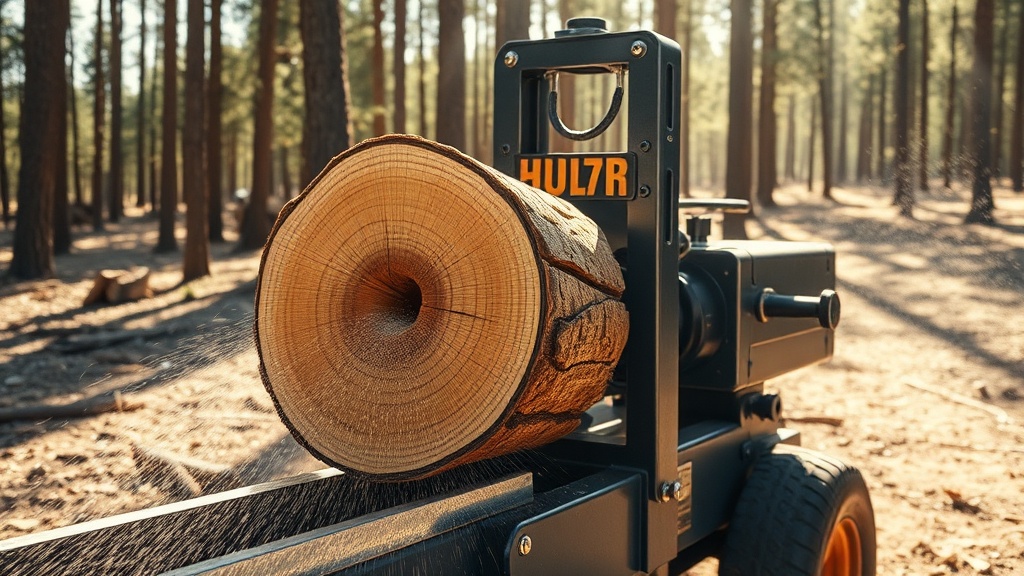
WoodSplitPro Hydraulics and Performance: A Technical Analysis
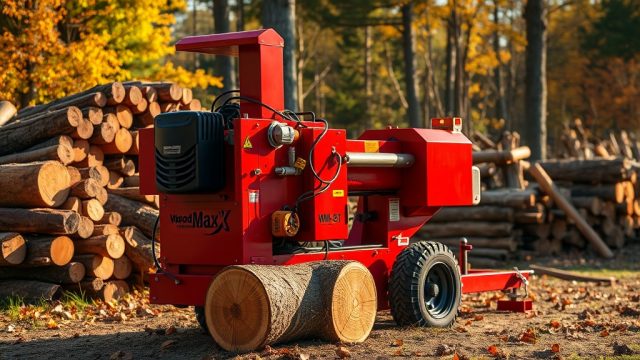
WoodSplitPro firewood processors are engineered to deliver robust hydraulic performance for demanding splitting operations. This technical analysis explores the core hydraulic systems, cycle times, and pressure ratings that define the WoodSplitPro lineup. Understanding these components is critical for operators seeking maximum productivity and longevity from their equipment.
What Makes the WoodSplitPro Hydraulic System Superior?
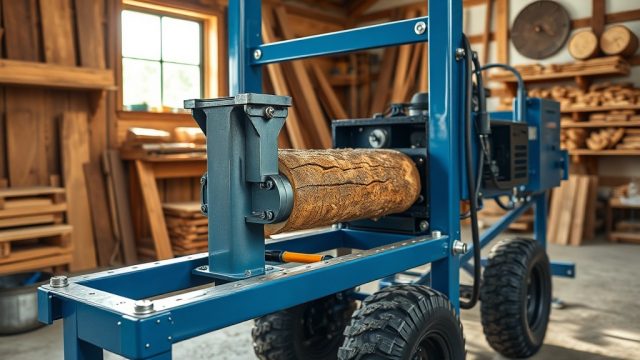
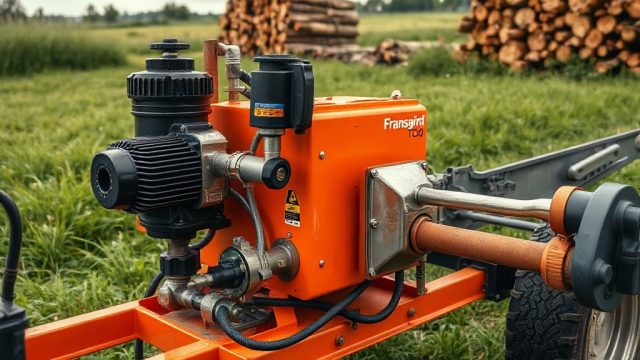
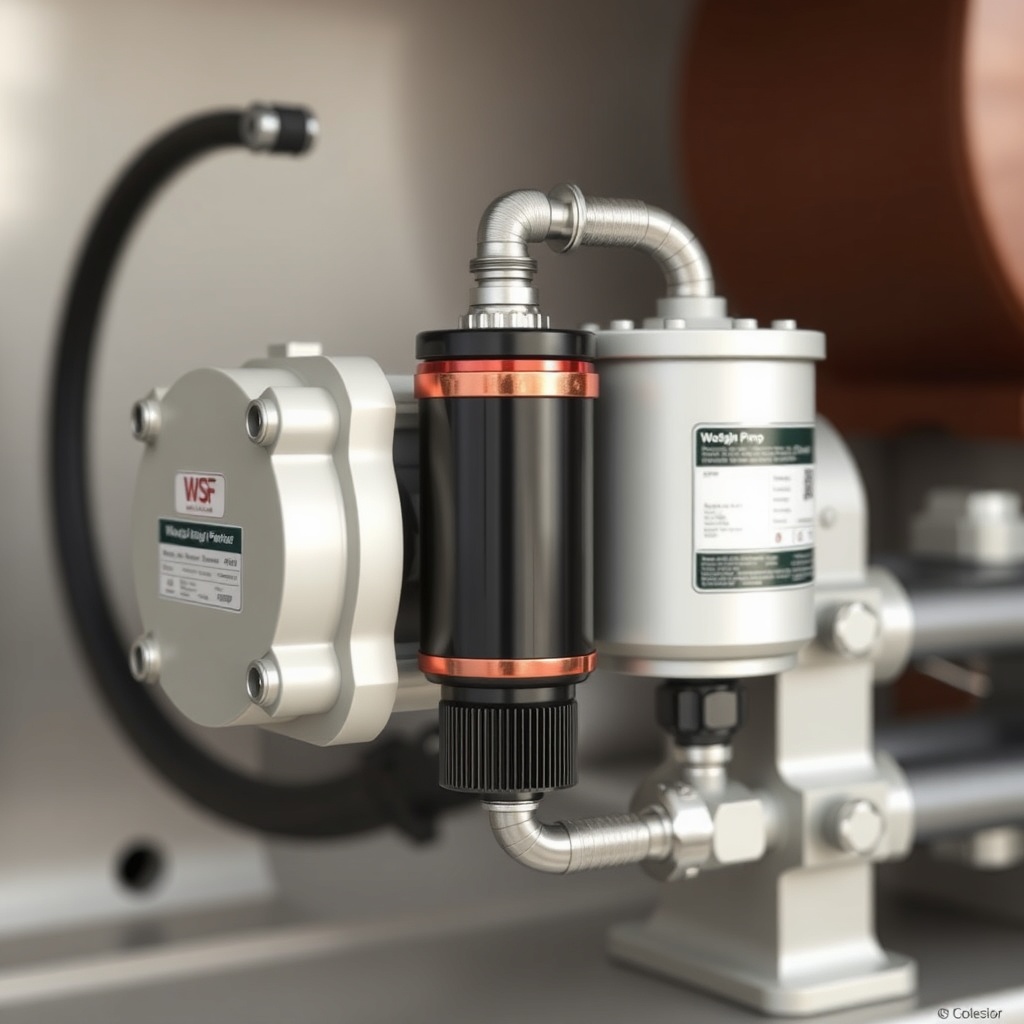
The WoodSplitPro hydraulic system is built around a high-displacement gear pump coupled with a precision-ground control valve. Typically, models feature a 16–28 GPM (gallons per minute) pump operating at a system pressure of 2,500–3,000 PSI. This setup ensures consistent power transfer to the splitting wedge, even under heavy loads or when processing knotty hardwoods like oak or hickory. The hydraulic reservoir is generously sized—often 15–20 gallons—which helps cool the fluid during extended run times. Operators report that the two-stage pump design allows for fast approach speeds on lighter logs while automatically shifting to high torque for tough splits. This dual-phase capability is a hallmark of WoodSplitPro’s engineering philosophy.
How Fast Is the Cycle Time on a WoodSplitPro?
Cycle time varies by model, but the standard WoodSplitPro units achieve a full cycle (wedge extend and retract) in 8–12 seconds on a 24-inch log. For example, the WSP-3000 series boasts an 11-second cycle at 2,800 PSI, while the heavy-duty WSP-5000 completes a 30-inch split in approximately 14 seconds. This efficiency is driven by a 4-inch bore cylinder with a 2-inch rod, providing a rapid extension speed of 6–7 inches per second and a retraction speed of 8–9 inches per second. These numbers position WoodSplitPro competitively within the professional firewood processing market. For comparison, many entry-level processors struggle with cycle times exceeding 18 seconds on similar log lengths.
| Model | Pump Flow (GPM) | System Pressure (PSI) | Cycle Time (24″ log) | Reservoir Capacity (gal) |
|---|---|---|---|---|
| WSP-2000 | 16 | 2,500 | 12 sec | 15 |
| WSP-3000 | 22 | 2,800 | 11 sec | 18 |
| WSP-5000 | 28 | 3,000 | 14 sec (30″) | 20 |
What Are the Key Hydraulic Components and Their Maintenance Needs?
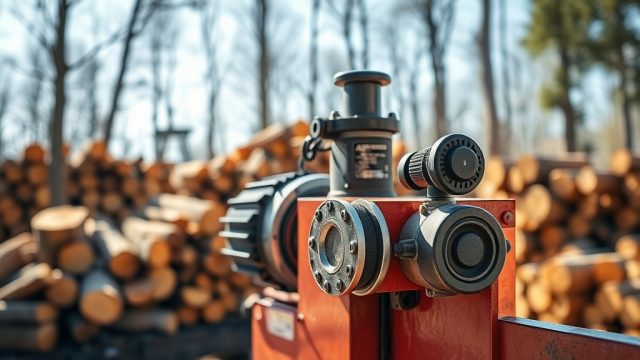
The WoodSplitPro hydraulic system comprises several critical components: the gear pump, control valve, cylinder, hoses, and filters. The gear pump is a cast-iron unit rated for continuous duty, while the control valve features a built-in relief valve set to system pressure. Operators should change the hydraulic fluid—typically AW-32 or AW-46—every 200 hours or annually, whichever comes first. The return-line filter should be replaced every 100 hours to prevent contamination. Additionally, the cylinder rod seal kit should be inspected for leaks after 500 hours of operation. WoodSplitPro Safety Checklist for Seasonal Operation provides a comprehensive pre-season inspection guide that includes all these components.
How Does WoodSplitPro Hydraulic Performance Compare to Competitors?
In direct comparison, WoodSplitPro units often outperform similarly priced competitors in terms of tonnage consistency and cycle speed. For instance, the WSP-3000 delivers 28 tons of splitting force at 2,800 PSI, while a leading competitor’s equivalent model offers 25 tons at the same pressure. This extra force is attributable to WoodSplitPro’s larger cylinder bore and more efficient valve design. Moreover, the hydraulic system’s ability to maintain pressure under load reduces stalling on tough grain patterns. When considering cost, a new WoodSplitPro WSP-3000 retails for approximately £4,500 in the UK market (or $5,800 USD), which includes a two-year warranty on hydraulic components.
What Are the Real-World Performance Metrics from Operators?
Field reports from professional firewood processors indicate that WoodSplitPro machines consistently handle 8–10 cords per day when operated by a single person. The hydraulic system’s low friction seals and oversized return lines keep operating temperatures below 140°F (60°C) even in summer conditions. Users note that the auto-cycle feature—available on higher-end models—reduces operator fatigue and increases throughput by 15–20%. However, splitting softer woods like pine at maximum speed can cause the wedge to occasionally stall; adjusting the flow control valve remedies this. For those storing equipment during off-season, WoodSplitPro Seasonal Storage Tips: Protect Your Investment offers best practices for hydraulic system preservation.
What Owners Say About WoodSplitPro Hydraulics
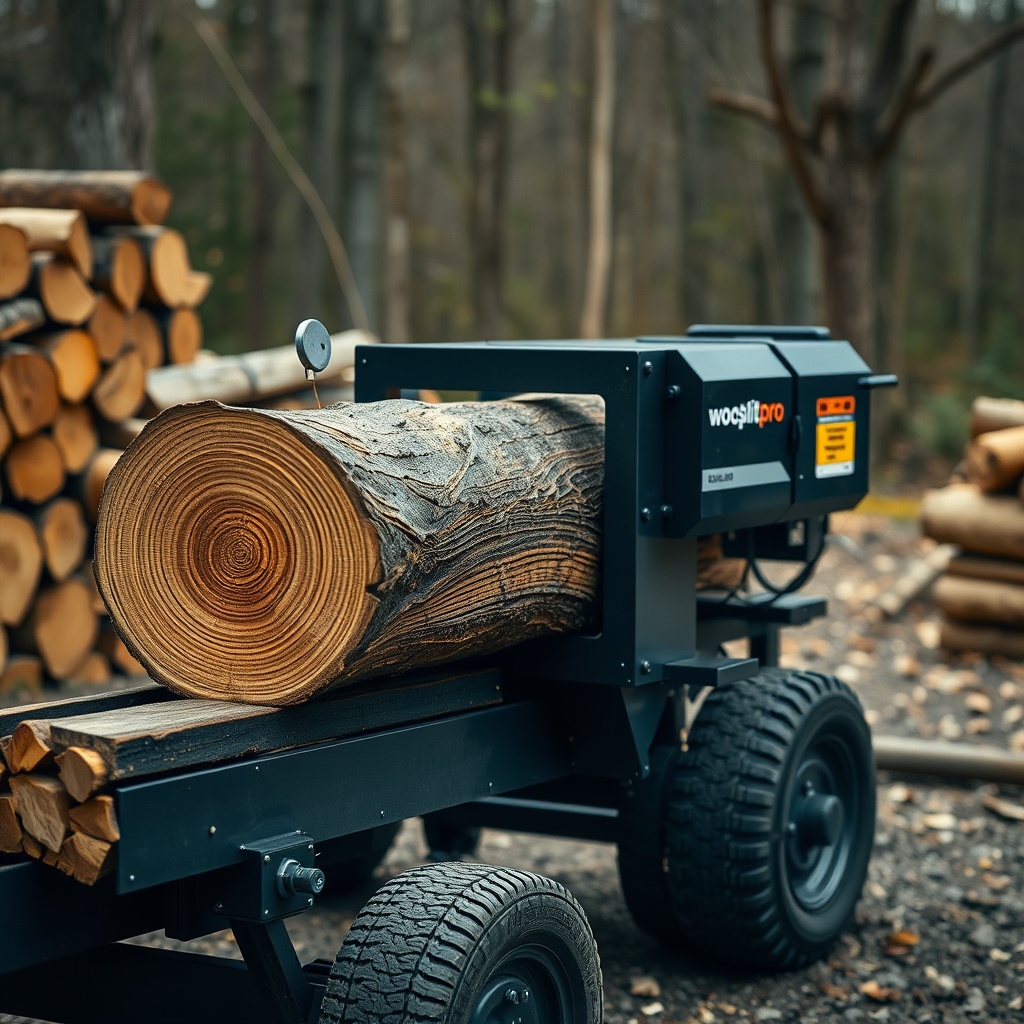
Owners consistently praise the reliability of WoodSplitPro hydraulics. One long-term user from Vermont reported over 1,200 hours on a WSP-3000 with only one seal replacement. Another contractor in Scotland noted that the hydraulic system handled wet ash logs without cavitation, a common issue in lesser machines. Some owners mention that initial setup requires careful bleeding of air from the system to prevent chatter, but this becomes routine after the first season. Those considering a purchase should also review WoodSplitPro Bundle Deals: Cost-Saving Packages for Professional Firewood Processors to maximize value. Overall, the consensus is that WoodSplitPro represents a sound investment for those prioritizing hydraulic performance.
Frequently Asked Questions
Q: What hydraulic fluid does WoodSplitPro recommend?
A: AW-32 or AW-46 hydraulic oil, depending on ambient temperature. AW-32 for colder climates (below 50°F / 10°C), AW-46 for warmer conditions.
Q: How often should I change the hydraulic filter?
A: Every 100 hours of operation, or at the beginning of each season. Use only WoodSplitPro-approved filter elements to avoid voiding the warranty.
Q: Can I upgrade the hydraulic pump on an older WoodSplitPro model?
A: Yes, but only with manufacturer-approved kits. Improper pump upgrades can damage the control valve or cylinder seals. WoodSplitPro Extended Warranty: Is It Worth the Investment? discusses coverage for such modifications.
Q: Why does my hydraulic system get noisy during operation?
A: Noise often indicates air in the fluid, a low oil level, or a clogged filter. Check fluid level first, then bleed the system. Persistent noise may require a pump inspection.
Q: What is the maximum log diameter the hydraulics can handle?
A: Most WoodSplitPro models accept logs up to 24 inches in diameter, with the WSP-5000 handling 30-inch rounds. Attempting larger logs can overload the hydraulic system.
Q: Is professional installation necessary for the hydraulic system?
A> While not mandatory, professional setup is recommended for optimal performance and safety. The WoodSplitPro Safety Checklist for Seasonal Operation includes pre-operation checks that a technician can perform.