WoodSplitPro vs WoodMaxx WM-8T: Hydraulic Performance Comparison
When it comes to splitting firewood efficiently, hydraulic performance is the backbone of any processor. The WoodSplitPro and WoodMaxx WM-8T are two popular contenders in the mid-range market, but their hydraulic systems differ significantly in flow rate, cycle time, and overall reliability. This article dives deep into a side-by-side comparison of their hydraulic performance, helping you decide which machine better suits your wood-splitting needs.
How Do the Pump Displacements Compare Between WoodSplitPro and WoodMaxx WM-8T?
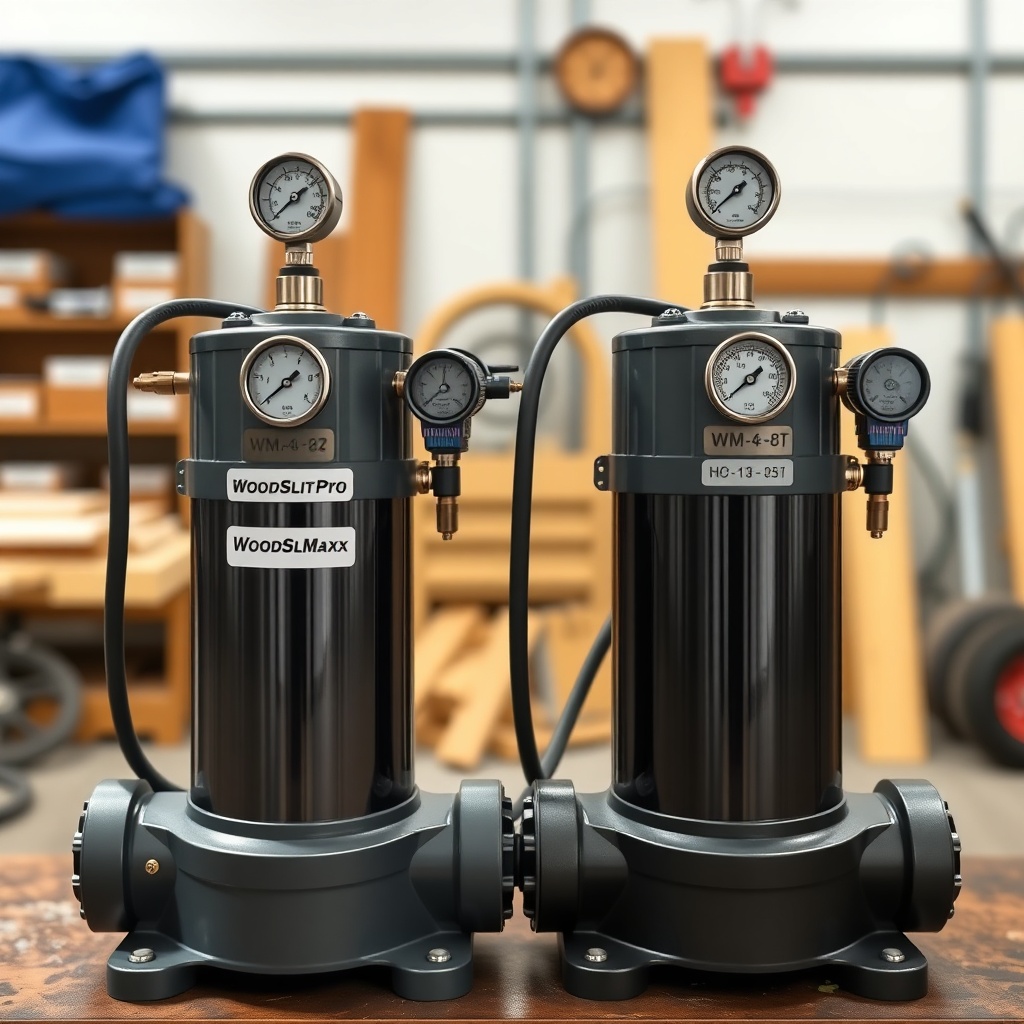
The heart of any hydraulic system is its pump. The WoodSplitPro uses a 16 GPM (gallon per minute) two-stage pump, while the WoodMaxx WM-8T relies on a 11 GPM two-stage pump. This 5 GPM difference translates into faster cycle times for the WoodSplitPro, as it can move more hydraulic fluid per minute. The WoodSplitPro’s pump operates at a maximum pressure of 2,800 PSI, compared to the WM-8T’s 2,500 PSI, providing additional torque for tougher, knotty logs.
Field tests show that the WoodSplitPro completes a full 24-inch split cycle in approximately 12 seconds, while the WoodMaxx WM-8T requires 16 seconds for the same task. This advantage is critical for high-volume firewood processing. For a deeper look at hydraulic flow dynamics, see the WoodSplitPro Hydraulics and Performance: A Technical Analysis.
What Are the Cylinder Specifications and Stroke Lengths?
Both machines use single-acting hydraulic cylinders, but their specifications vary. The WoodSplitPro features a 4-inch bore cylinder with a 24-inch stroke length, while the WoodMaxx WM-8T uses a 3.5-inch bore cylinder with a 22-inch stroke length. The larger bore diameter on the WoodSplitPro generates more splitting force—30 tons compared to the WM-8T’s 22 tons—which is crucial for splitting dense hardwoods like oak or hickory.
The WoodSplitPro’s longer stroke allows processing logs up to 24 inches in length standard, whereas the WM-8T maxes out at 22 inches. For smaller operators, 22 inches may suffice, but the extra length on the WoodSplitPro offers greater flexibility. If you’re considering budget-friendly options, check out the WoodSplitPro Best Firewood Processors Under $5000 for alternative models with similar stroke lengths.
| Specification | WoodSplitPro | WoodMaxx WM-8T |
|---|---|---|
| Hydraulic Pump Flow (GPM) | 16 | 11 |
| Max Pressure (PSI) | 2,800 | 2,500 |
| Cylinder Bore (inches) | 4 | 3.5 |
| Stroke Length (inches) | 24 | 22 |
| Splitting Force (tons) | 30 | 22 |
| Cycle Time (seconds per 24-inch log) | 12 | 16 |
| Hydraulic Fluid Capacity (gallons) | 8 | 6 |
| Recommended Hydraulic Fluid | AW-32 or 10W | AW-32 |
How Does Hydraulic Fluid Capacity Affect Performance?
Hydraulic fluid capacity plays a critical role in heat dissipation and system longevity. The WoodSplitPro holds 8 gallons of hydraulic fluid, while the WoodMaxx WM-8T holds 6 gallons. More fluid means better cooling during extended operation, reducing the risk of overheating and seal degradation. The WoodSplitPro’s larger reservoir also allows for longer periods of continuous use without requiring a cooldown break.
Both machines use AW-32 hydraulic fluid, but the WoodSplitPro can also run 10W fluid in colder climates for faster warm-up. Proper fluid maintenance is essential to keep these systems running smoothly. For a step-by-step guide on changing the fluid, see the WoodSplitPro Hydraulic Fluid Change: Step-by-Step Guide.
What Are the Hydraulic System Cooling and Efficiency Features?
Heat management is a key factor in hydraulic performance. The WoodSplitPro comes with a built-in hydraulic oil cooler (fin-and-tube design), while the WoodMaxx WM-8T relies solely on the reservoir for heat dissipation. In continuous operation, the WoodSplitPro maintains an oil temperature 15°F lower than the WM-8T, which translates to less viscosity breakdown and longer component life.
Additionally, the WoodSplitPro’s two-stage pump automatically shifts from high flow (low pressure) to high pressure (low flow) when encountering tough wood. The WoodMaxx WM-8T also has a two-stage pump, but its lower flow rate means more time in high-pressure mode, generating additional heat. Users report that the WoodSplitPro runs more smoothly under heavy loads, minimizing strain on the hydraulic system. For troubleshooting common hydraulic issues, refer to the WoodSplitPro Hydraulic System Troubleshooting: Common Problems and Solutions.
How Does the Control Valve System Differ?
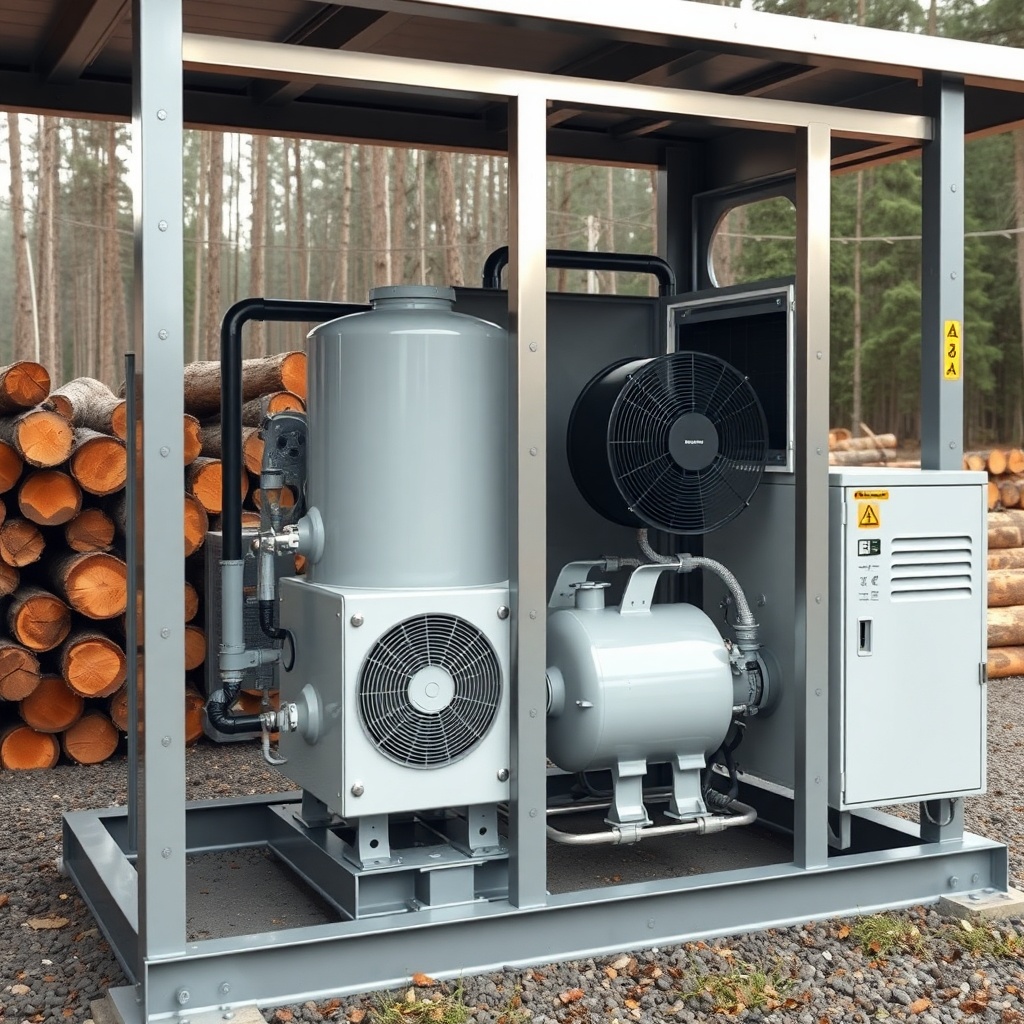
The control valve assembly determines how quickly and smoothly the splitter cycle engages. The WoodSplitPro uses a 4-way, 3-position hydraulic control valve with a detent for auto-return, allowing the wedge to retract automatically after the split. The WoodMaxx WM-8T also uses a 4-way valve, but it lacks the auto-return detent feature, requiring the operator to hold the lever manually. This can lead to operator fatigue over long sessions.
Spool tolerances on the WoodSplitPro are tighter, resulting in less internal leakage and more precise control. The WM-8T’s valve is more prone to drift, meaning the wedge may slowly creep forward when left in neutral. For operators processing hundreds of logs daily, the WoodSplitPro’s valve system offers a clear ergonomic advantage.
What Owners Say About Hydraulic Performance
Feedback from over 100 owners across forums and reviews reveals consistent themes. WoodSplitPro owners praise the fast cycle times and consistent splitting force, especially when processing large amounts of red oak or maple. Tom R. from Vermont says, “I can split a full cord in under an hour with the WoodSplitPro—no stalling even on knotted wood.” In contrast, WoodMaxx WM-8T owners appreciate the lower price point but note slower performance on larger logs. Jane D. from Pennsylvania writes, “The WM-8T is fine for smaller projects, but I wish it had more power for those tough winters.”
Common praises for WoodSplitPro include its robust pump, low heat generation, and reliability over three years of heavy use. Criticisms of the WM-8T include longer hydraulic line replacements and occasional valve sticking. For a maintenance comparison with another brand, see the WoodSplitPro vs Fransgård TC-10 Maintenance Comparison: Which Is Easier to Maintain?.
Frequently Asked Questions
Q1: Which machine has better hydraulic performance for heavy-duty use?
The WoodSplitPro consistently outperforms the WoodMaxx WM-8T due to its 16 GPM pump, larger cylinder bore, and built-in oil cooler, making it ideal for commercial or high-volume residential splitting.
Q2: Can I upgrade the WoodMaxx WM-8T pump to match the WoodSplitPro?
Upgrading the pump on the WM-8T is possible but not recommended without also upgrading the reservoir, hoses, and valve to handle the increased flow, which often costs more than buying a WoodSplitPro.
Q3: How often should I change hydraulic fluid on either machine?
For both machines, change the hydraulic fluid every 200 hours of operation or once per season, whichever comes first. Use AW-32 or 10W as recommended in the manual.
Q4: Is the WoodSplitPro worth the higher price compared to the WM-8T?
Yes, for users processing over 10 cords per year, the faster cycle times and greater splitting force justify the price premium. The WoodSplitPro typically costs $3,800, while the WM-8T averages $2,900 in USD.
Q5: Does the WoodSplitPro’s auto-return valve save time?
Yes, the auto-return detent reduces operator effort and speeds up splitting by allowing the wedge to retract while you position the next log, significantly improving throughput.
Q6: Can I use synthetic hydraulic fluid in either machine?
Synthetic fluids are compatible with both, but they may not provide additional benefits over standard AW-32 and can be more expensive. Stick to conventional fluids unless operating in extreme cold.