Understanding the WoodMaxx WM-8T: Hydraulics and Performance
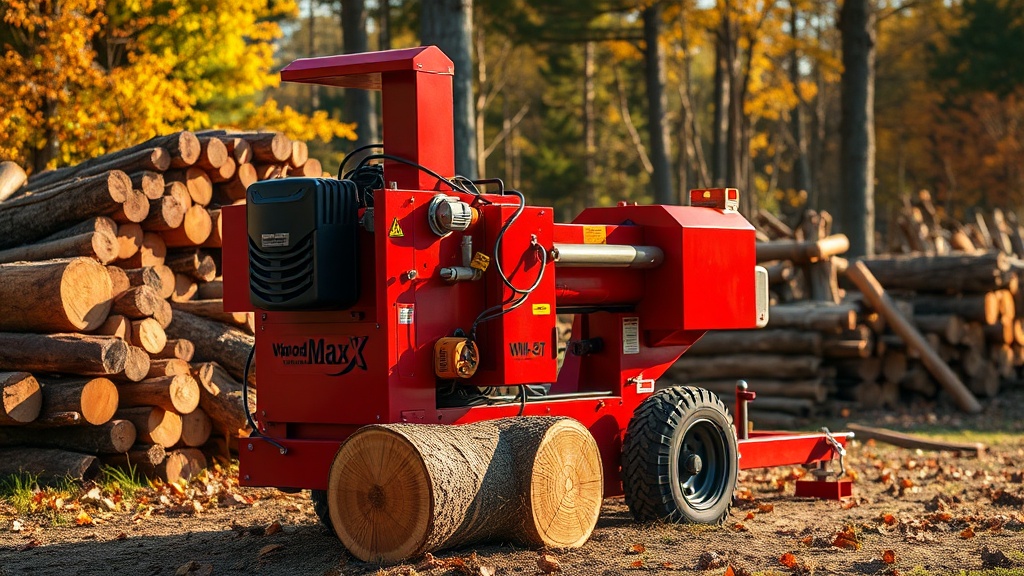
The WoodMaxx WM-8T is a mid-range firewood processor that bridges the gap between homeowner models and commercial units. Its 8-ton splitting force and robust hydraulic system make it a popular choice for those processing 2-4 cords of wood per season. This guide dissects the hydraulics and performance characteristics to help you understand exactly what this machine can deliver.
What Is the Actual Splitting Force of the WoodMaxx WM-8T?
The WM-8T is rated at 8 tons of splitting force, but this figure is achieved at a specific hydraulic pressure—typically around 2,500 PSI. The cylinder bore size (usually 3.5 inches) and pump flow rate (approximately 7 GPM) determine the actual force. In practice, the 8-ton rating is sufficient for most hardwood species like oak, maple, and ash up to 12 inches in diameter. For larger or knotty logs, the system may stall temporarily, but a well-maintained hydraulic circuit can often push through with a second cycle. If you routinely split elm or hickory, consider the WoodMaxx WM-8T Hydraulics & Splitting Force Deep Dive for advanced tuning options.
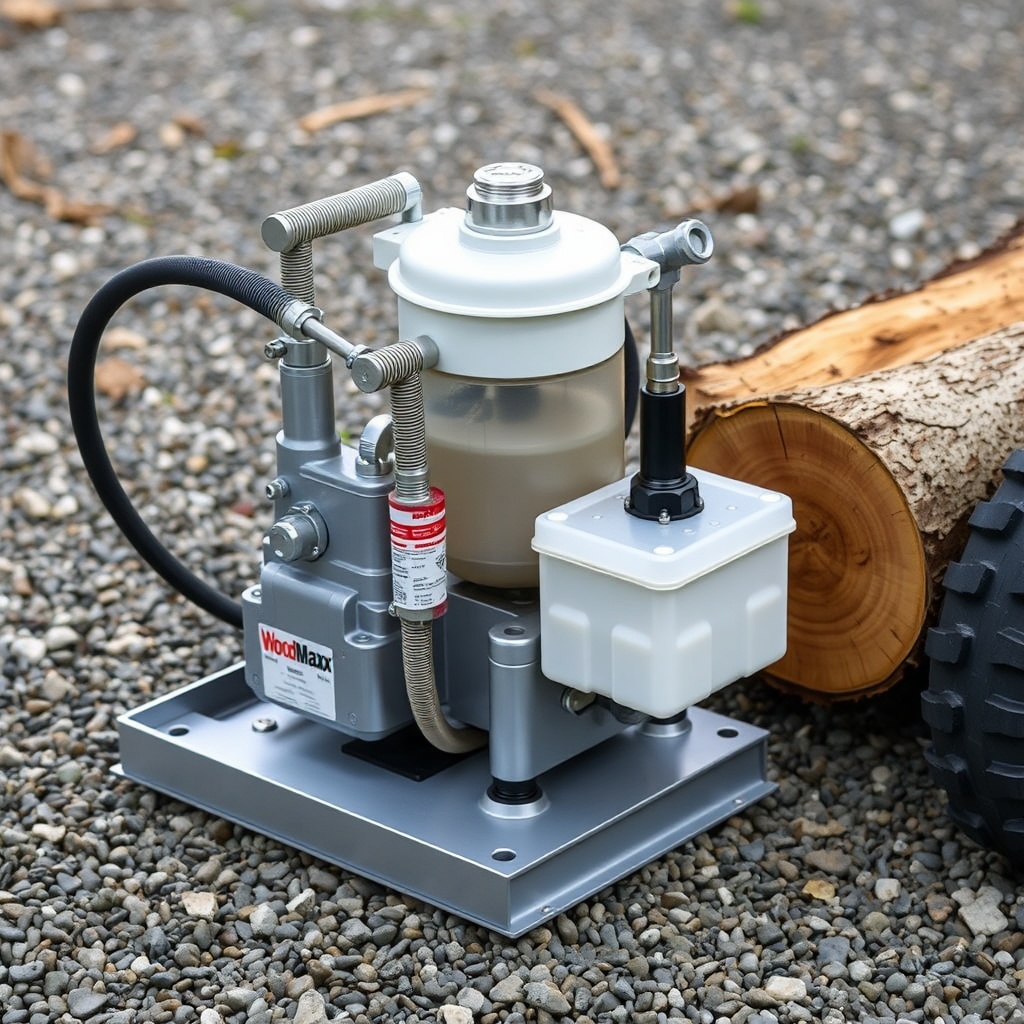
The splitting force is derived from the equation: Force (tons) = Pressure (PSI) × Cylinder Area (sq in) / 2000. At 2,500 PSI and a 9.62 sq in cylinder area, you get exactly 8 tons. Users sometimes report a 10% drop when the oil is cold—expect about 7.2 tons until the system warms up.
How Does the Hydraulic Flow Rate Affect Cycle Time?
The WM-8T uses a gear pump delivering around 7 GPM at 3,600 RPM engine speed. This flow rate dictates the cycle time—the time to extend and retract the splitting wedge. The typical cycle time is 8–10 seconds for a 24-inch stroke. A 2-stage pump configuration allows faster approach speed (low pressure, high flow) and higher force at the point of splitting (high pressure, low flow). This is why the processor does not bog down on tough logs.
You can compare flow rates and cycle times with similar processors in the table below:
| Model | Pump Flow (GPM) | Cycle Time (24″ stroke) | Max Pressure (PSI) |
|---|---|---|---|
| WoodMaxx WM-8T | 7.0 | 9 sec | 2,500 |
| Competitor A (6-ton) | 5.5 | 12 sec | 2,200 |
| Competitor B (10-ton) | 8.5 | 11 sec | 2,800 |
The WM-8T offers a competitive cycle time for its class. Faster cycle times reduce operator fatigue and increase productivity, especially when processing smaller logs where the splitter cycles rapidly. For more detail on maintaining these cycles, review the WoodMaxx WM-8T Maintenance Schedule: Keep It Running Smoothly.
What Hydraulic Fluid Type and Capacity Does the WM-8T Require?
The WM-8T reservoir holds approximately 3.5 gallons of hydraulic fluid. The manufacturer recommends ISO VG 32 or AW-32 hydraulic oil for temperatures above 32°F. Below freezing, you may need a multi-viscosity oil like ISO VG 22 or a synthetic blend. Using the wrong viscosity can cause sluggish operation, increased wear, or cavitation in the pump. The reservoir has a sight glass to check levels; always top off with the same fluid type. For a complete procedure, including draining and refilling, read the WoodMaxx WM-8T Hydraulic Fluid Change: Step-by-Step Guide.
Winter operation poses challenges. If you process wood in cold climates, consider adding an optional heater pad to the reservoir to preheat the oil. Running cold oil (below 40°F) through the pump can damage internal seals. Also, the return line filter should be changed every 50 hours of use—clogged filters restrict flow and reduce splitting force.
How Does the WoodMaxx WM-8T Perform on Different Wood Species?
Performance varies greatly with wood type. Here is a breakdown of typical splitting characteristics:
- Softwoods (pine, fir, spruce): Splits easily with full cycle speed. The 8-ton force is overkill; you can use a faster cycle if you adjust the flow control valve.
- Hardwoods (oak, maple, hickory): Requires full force on larger rounds (10-12 inch diameter). The wedge will often split cleanly, but knotty sections may require a second hit. The auto-return feature helps here.
- Stringy wood (elm, gum, cottonwood): These can be challenging. The wedge may get stuck; a 4-way wedge (available as an upgrade) can help. The WM-8T’s hydraulic pressure holds steady, but you may need to cycle the wedge to free it. See WoodMaxx WM-8T Troubleshooting: Common Issues and Fixes for stuck wedge solutions.
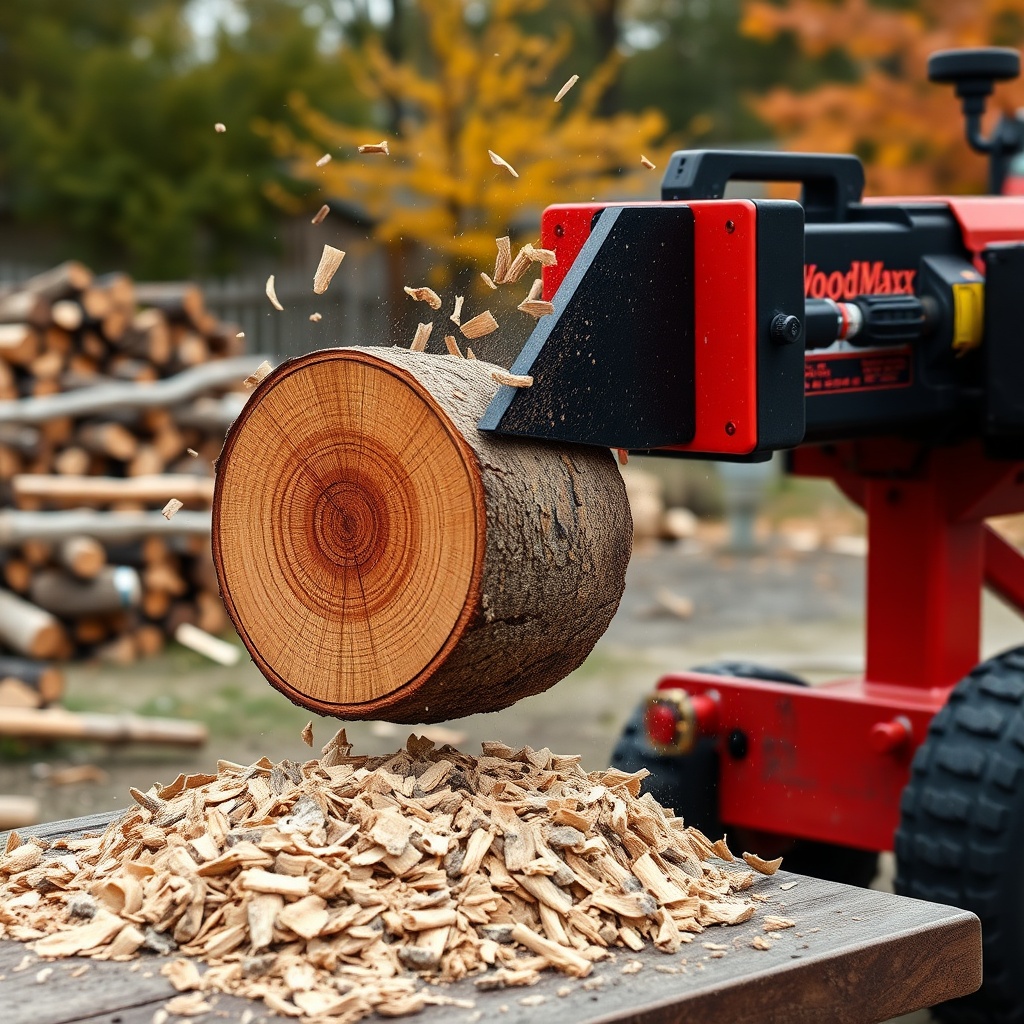
Moisture content also matters. Green wood splits more easily than seasoned wood because the fibers are more pliable. The WM-8T handles both, but dry, dense wood can cause the engine to labor. If the engine bogs down, reduce the log size or sharpen the wedge edge. Overloading the hydraulic system for extended periods can overheat the oil—monitor the temperature gauge (if equipped) or use an infrared thermometer on the reservoir.
What Owners Say About the WM-8T’s Hydraulics and Performance
Operators consistently praise the WM-8T for its reliability and trouble-free start-up. Common themes include:
- Consistent force: “I can split 10-inch oak rounds all day without slowdown.”
- Fast cycle: “The 2-stage pump really helps—the wedge zips out then pushes hard only when needed.”
- Hydraulic leaks: Some early units had minor seepage at fittings; owners recommend checking torque on all connections upon delivery. This is covered in the WoodMaxx WM-8T Safety Tips: Avoiding Common Injuries guide.
- Cold start: A few owners note that the pump groans below 20°F until oil warms up—using a block heater or thinner oil solves this.
- Power adjustment: The flow control valve allows fine-tuning the extension speed—useful for operators who prefer slower, more deliberate splitting.
Overall, the WM-8T scores high for value—its hydraulics deliver advertised performance with minimal fuss. For those looking to push the machine further, consider the WoodMaxx WM-8T Accessories and Upgrades: Maximize Your Processor’s Potential to add a 4-way wedge or log lift.
How to Troubleshoot Weak Splitting or Slow Cycle on the WM-8T
If you notice a decline in performance, check these common issues:
- Low hydraulic fluid: Check sight glass. Low fluid causes cavitation and weak force.
- Clogged filter: Replace the return line filter every 50 hours. A clogged filter restricts flow.
- Air in system: Bleed the pump by cracking the pressure line fitting while running. Air reduces force and can damage pump.
- Worn pump: After 500+ hours, internal wear can reduce flow. Measure with a flow meter; replace if below 5 GPM.
- Engine RPM: Ensure the engine is at full throttle (3,600 RPM). Dropping below 3,400 RPM cuts pump output significantly.
For detailed diagnostics, the WoodMaxx WM-8T Troubleshooting: Common Issues and Fixes guide covers these in depth.
Frequently Asked Questions
Q: What is the recommended hydraulic fluid change interval for the WM-8T?
A: WoodMaxx suggests changing the fluid every 100 hours of operation or annually, whichever comes first. Use AW-32 hydraulic oil and replace the filter each time.
Q: Can the WM-8T split 16-inch diameter logs?
A: Yes, but only if the wood is not extremely knotty. The maximum recommended log diameter is 12 inches for consistent splitting. Larger logs may require a second pass or a 4-way wedge upgrade.
Q: How do I adjust the cycle speed on the WM-8T?
A: Locate the flow control valve on the hydraulic manifold. Turning it clockwise slows the extend speed; counterclockwise increases it. Do not exceed the pump’s rated flow – watch for overheating.
Q: Why does my WM-8T make a high-pitched whining noise?
A: That indicates cavitation, usually from low fluid, air in the system, or a clogged intake screen. Check fluid level and bleed the pump. Air can enter through a loose suction line fitting.
Q: What is the warranty on the hydraulic components?
A: WoodMaxx offers a 2-year warranty on the hydraulic pump and cylinder, provided the machine is used for non-commercial purposes. Commercial users get a 1-year warranty. Always use recommended fluids to avoid voiding the warranty.
Q: Can I use biodegradable hydraulic fluid in the WM-8T?
A: Yes, but you must verify the viscosity matches ISO VG 32. Some biodegradable oils are thinner at high temperatures, which reduces splitting force. Test compatibility with the seals—most synthetic fluids are safe.