Is Your WoodSplitPro Hydraulic System Underperforming? Common Issues and How to Fix Them
WoodSplitPro firewood processors are built for heavy-duty operation, but even the best hydraulic systems encounter problems over time. Understanding common hydraulic failures and their solutions can save hours of downtime and repair costs. This troubleshooting guide covers the most frequent issues owners face and provides actionable fixes.
Why Is My WoodSplitPro Hydraulic Cylinder Leaking Fluid?
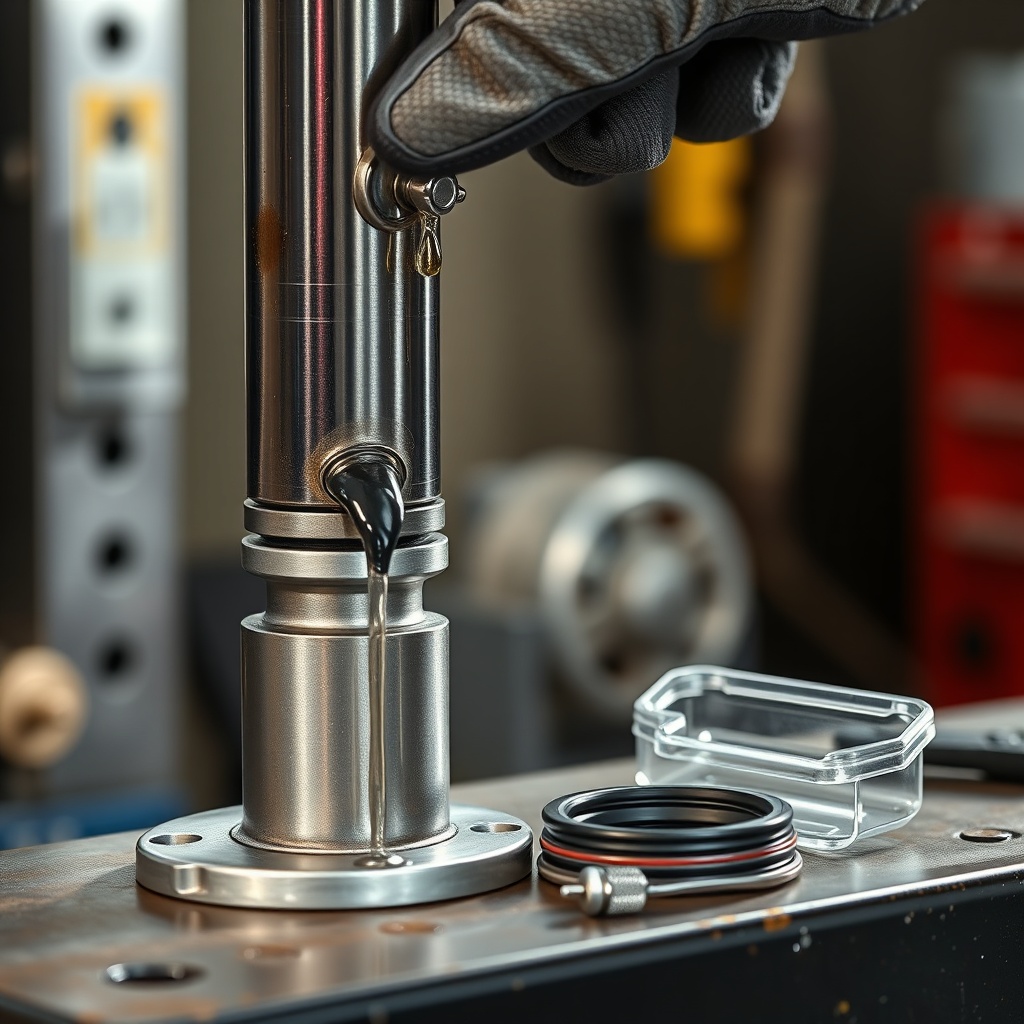
Hydraulic cylinder leaks are one of the most reported issues with WoodSplitPro processors. Seal wear, rod scoring, or over-pressurization often cause external leaks. The first step is identifying the leak location. If fluid drips from the rod end, the wiper seal or rod seal may be damaged. For cylinder barrel leaks, the piston seal could be compromised.
Troubleshoot by wiping the rod clean and running a cycle while watching for fresh drips. A scoring test involves running a clean cloth along the rod’s length. If you feel bumps or scratches, the rod surface is compromised. Replacement seal kits are available from WoodSplitPro distributors for approximately $45–$65 USD. For rod damage, replacement cylinders cost between $180 and $300 USD depending on stroke length.
To prevent future leaks, use only recommended hydraulic fluid (ISO 32 or 46 weight) and avoid exceeding the manufacturer’s maximum pressure of 2,500 PSI. Regularly inspect rod wipers for debris buildup, which accelerates seal wear.
What Causes Erratic or Weak Splitting Force on a WoodSplitPro?
When your WoodSplitPro splits wood with inconsistent force or seems weak, suspect a few common culprits. Low hydraulic fluid level is the most frequent cause—check the reservoir sight glass or dipstick when the engine is off and the cylinder is retracted. Fluid should be between the cold fill marks. If low, refill with the correct grade; contamination from water or dirt may also degrade performance.
Air in the system creates spongy operation. Bleed the system by running the splitter through 10 full extend/retract cycles while keeping the reservoir cap loose. A clogged suction filter or strainer reduces flow. Clean or replace inline filters (part #WSP-FILTER-02, about $20 USD) at every 50 hours of use. Additionally, a worn or sticking control valve can cause hesitation. Disassemble the valve spool, clean with brake cleaner, and reassemble with light hydraulic oil lubrication.
| Symptom | Likely Cause | Solution | Estimated Cost (USD) | Severity (1-5) |
|---|---|---|---|---|
| Weak splitting force | Low fluid level | Top up with ISO 46 fluid | $10–$25 | 2 |
| Spongy or jerky cylinder | Air in system | Bleeding procedure (10 cycles) | $0 | 2 |
| Intermittent power loss | Clogged suction filter | Replace filter (WSP-FILTER-02) | $20 | 3 |
| No movement but pump runs | Stuck control valve spool | Disassemble and clean | $0 (DIY) | 4 |
Why Does My WoodSplitPro Hydraulic Pump Make Loud Noises?
Abnormal pump noises—whining, knocking, or grinding—indicate hydraulic system distress. Aeration causes a whining sound; check the suction line for cracks or loose clamps allowing air entry. Tighten all connections and inspect the reservoir breather cap for blockage. Cavitation produces a knocking or rattling noise and happens when the pump doesn’t get enough fluid. Low fluid level, clogged inlet strainer, or using fluid with viscosity too high for cold weather are typical causes. For winter operation, switch to ISO 22 hydraulic fluid below 32°F (0°C).
Mechanical wear inside the pump creates a grinding noise. If noise persists after fluid and filter checks, the pump gear set or bearings may be worn. A replacement hydraulic pump for WoodSplitPro models (part #WSP-PUMP-001) costs around $160–$200 USD. Installation requires bleeding the system afterward. Regular fluid changes per the WoodSplitPro Hydraulic Fluid Change: Step-by-Step Guide prevent debris accumulation that accelerates pump wear.
How Do I Troubleshoot a WoodSplitPro Hydraulic System That Overheats?
Overheating shortens hydraulic component life and reduces efficiency. Normal operating temperature should be 120–160°F (49–71°C) for mineral oil. Exceeding 180°F (82°C) signals trouble. Common causes include continuous use in high ambient heat, low fluid level reducing heat dissipation, or a clogged cooler. For WoodSplitPro models with an oil cooler (standard on most towable units), clean the cooler fins yearly with compressed air and degreaser. A blocked cooler reduces heat transfer by up to 40%.
Additionally, excessive pressure relief valve cycling generates heat. Adjust the relief valve only if you have a pressure gauge—factory setting is 2,500 PSI. Over-pressurization from pushing through extreme knots also heats fluid. Ease off when encountering tough wood. If overheating persists, install an auxiliary cooler kit (approximately $120–$150 USD). Regular maintenance matters: follow the WoodSplitPro Hydraulics and Performance: A Technical Analysis for temperature management tips.
What Should I Check When the WoodSplitPro Hydraulic Fluid Foams or Turns Milky?
Foamy or milky hydraulic fluid indicates contamination—usually water or air. Milky fluid suggests water ingress, which emulsifies the oil and destroys lubricity. Inspect the reservoir breather cap seal, cylinder rod seals, and storage cover. Even a tiny pinhole in a suction line can suck in moisture on humid days. Draining and replacing the fluid is the only fix. Use the WoodSplitPro Hydraulic Fluid Change: Step-by-Step Guide for proper procedure. A full fluid change costs about $35–$55 USD for 5 gallons of ISO 46 fluid.
Foam without discoloration usually means air entrainment. Check the return line for leaks above the fluid level, and ensure the reservoir is filled to proper level. Let the machine sit for 30 minutes after foaming to allow bubbles to rise. If foam recurs, install a diffuser on the return line inside the reservoir (part #WSP-DIFFUSER-01, $18 USD). Never operate with milky fluid—it can ruin seals and the pump within hours.
How Often Should WoodSplitPro Hydraulic Hoses Be Inspected for Wear?
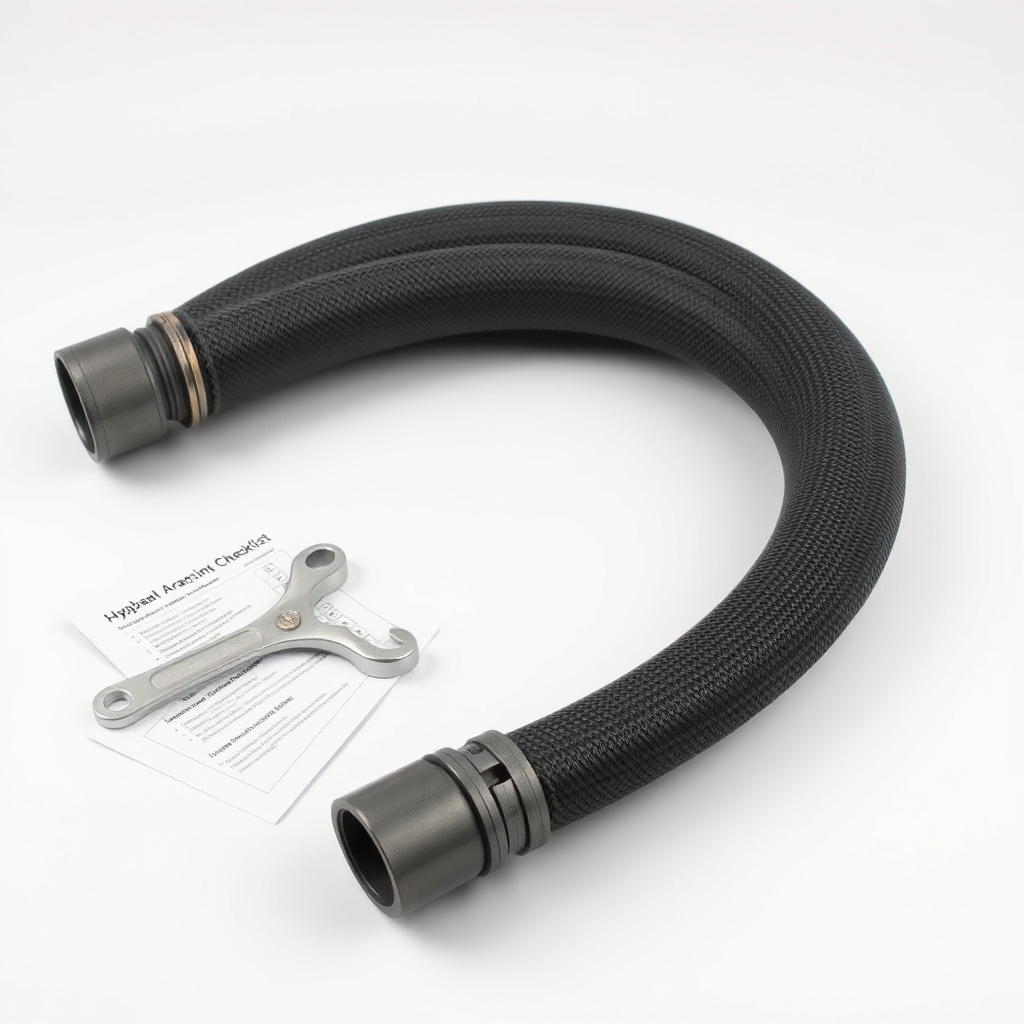
Hydraulic hoses on WoodSplitPro processors face constant flexing, abrasion, and UV exposure. Inspect hoses before each use for cracking, blistering, or chafing. Pay attention to bend radii—sharp kinks accelerate failure. Most hoses have a service life of 3–5 years under normal use, but replace immediately if you see wire braid exposed or if the hose feels hard or brittle. Use only SAE 100R2 or higher rated hoses rated for 3,000 PSI minimum. Replacement hose assemblies cost $25–$60 USD each depending on length and fittings. For a comparison of maintenance demands, read our WoodSplitPro vs Fransgård TC-10 Maintenance Comparison.
When replacing hoses, use thread sealant on fittings but never Teflon tape near the first thread—it can enter the system. After any hose change, run the system for 5 minutes and recheck all connections for leaks. Proper routing prevents chafing; use cable ties to secure hoses away from moving parts.
What Owners Say About WoodSplitPro Hydraulic System Reliability
Long-term WoodSplitPro owners often highlight the machine’s robust pump and cylinder design but note seal life varies with usage. One owner from Vermont reported replacing cylinder seals after 800 cords of hardwood—calling it “routine wear.” Another from Wisconsin praised the easy filter access but urged checking for air in the system after winter storage. A common sentiment: “The hydraulic system is strong, but you have to stay on top of fluid changes and hose checks.” Several users recommend the factory WoodSplitPro Extended Warranty: Is It Worth the Investment? for peace of mind covering pump and cylinder replacements. On forums, owners share that the most frustrating issue is cavitation from cold starts—solved by warming up the fluid with light cycles before splitting hard wood. Overall, those who follow the maintenance schedule report 1,500–2,000 hours before major hydraulic repairs. For budget-conscious buyers, see our guide to WoodSplitPro Best Firewood Processors Under $5000 for entry-level models with simpler hydraulics.
Frequently Asked Questions
1. What hydraulic fluid does WoodSplitPro recommend?
WoodSplitPro recommends ISO 32 or 46 hydraulic fluid (AW grade) for most climates. Use ISO 22 for temperatures below 32°F (0°C). Never mix different fluid types.
2. How do I reset the pressure relief valve on a WoodSplitPro?
Locate the relief valve on the pump manifold. Loosen the locknut, turn the adjustment screw clockwise to increase pressure (max 2,500 PSI) or counterclockwise to decrease. Use a pressure gauge for accuracy. Retighten locknut after setting.
3. Can I use tractor hydraulic fluid in my WoodSplitPro?
Yes, if it matches ISO 46 viscosity and has anti-wear (AW) and anti-foaming additives. Avoid universal tractor fluids with friction modifiers unless specified. Check your manual.
4. Why does my WoodSplitPro hydraulic system lose prime after sitting?
This usually happens from slow internal leakage past control valve spools or cylinder seals. Prime the system by filling the pump housing with fluid through the suction port before starting. If it repeats, have a dealer check for worn spools.
5. How tight should hydraulic hose fittings be on a WoodSplitPro?
Hand-tighten plus a quarter turn with a wrench. Overtightening damages seals or cracks fittings. Always use two wrenches: one on the fitting, one on the adapter to avoid twisting hoses.
6. Is it safe to operate a WoodSplitPro with a small hydraulic leak?
No—even a slow leak wastes fluid, creates slipping hazards, and allows air entry. Stop operation immediately, identify the source, and repair. Delaying can damage the pump from cavitation or low fluid level.