Why Should WoodSplitPro Owners Prioritize Seasonal Storage?
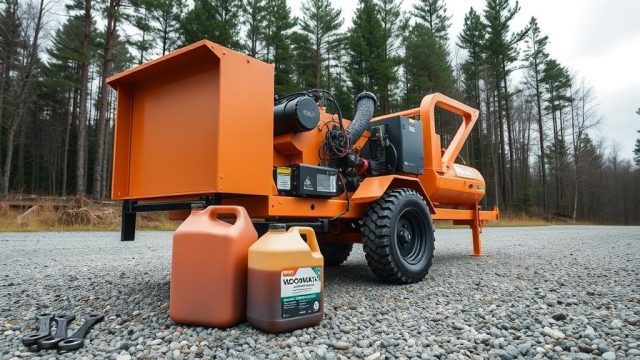
Every WoodSplitPro owner knows the machine is built to withstand heavy loads, but even the toughest firewood processor needs proper care when the splitting season ends. Neglecting off-season storage can lead to costly repairs, hydraulic contamination, and premature wear that undermines your investment. This guide details how to protect your WoodSplitPro through strategic seasonal storage, saving you time and money in the long run.
How Does Extended Inactivity Affect the Hydraulic System?
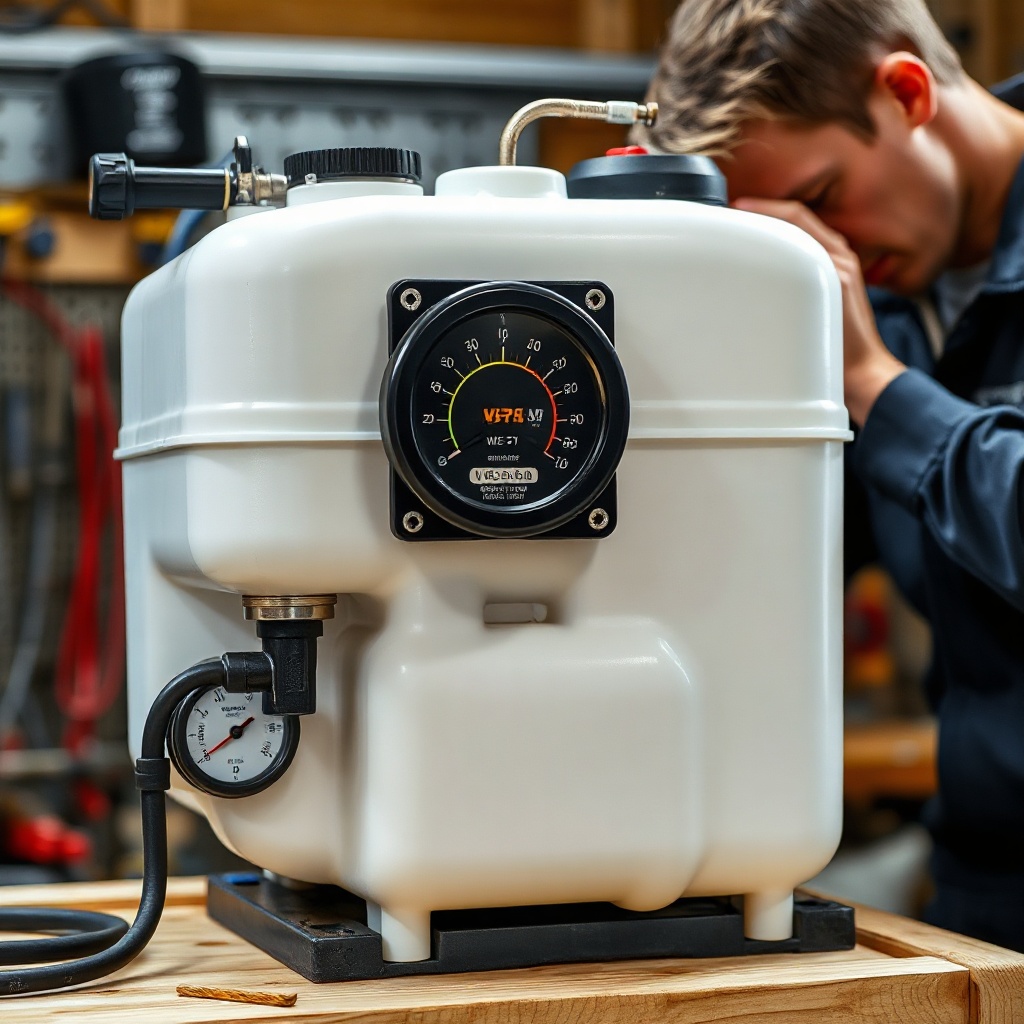
The hydraulic system is the heart of any WoodSplitPro unit. When a machine sits idle for weeks or months, moisture can condense inside the reservoir, causing rust particles to form. These contaminants circulate through the pump, valves, and cylinders once the processor is restarted, resulting in erratic performance or component failure. To prevent this, always run the machine for a few minutes every 30 days during storage, cycling the splitter wedge through several full strokes. This moves hydraulic fluid through the system, coating internal surfaces and reducing moisture buildup. Additionally, verify that the hydraulic fluid level remains between the “Full” and “Add” marks on the dipstick; low fluid invites air ingress, which accelerates oxidation.
For a deeper dive into maintaining the hydraulic circuit year-round, refer to our analysis in WoodSplitPro Hydraulics and Performance: A Technical Analysis.
What Is the Correct Way to Clean the WoodSplitPro Before Storage?
Cleaning is not just about appearance—it prevents corrosion and insect damage. Follow this step-by-step process before tucking your machine away:
- Remove all bark, sawdust, and wood chips from the wedge, conveyor belt, and frame using compressed air or a stiff brush. Pay special attention to crevices where moisture can linger.
- Wash the exterior with a mild detergent and water, avoiding high-pressure spray near hydraulic fittings or electrical connections. Rinse thoroughly and dry with a clean cloth.
- Apply a light coat of WD-40 or similar penetrant to all exposed metal surfaces, especially the wedge and any bare steel on the frame. This creates a barrier against humidity.
- Lubricate all grease fittings (zerks) on the axle, pivot points, and cylinder pins using a high-quality lithium-based grease. Pump until fresh grease purges from the joint, ensuring complete coverage.
- Inspect the air filter if the engine is gasoline-powered; replace it if dirty. A clogged air filter during startup can cause rich fuel mixture and carbon buildup.
Proper cleaning also allows you to spot any cracks or loose bolts early. For a broader safety perspective, read WoodSplitPro Safety Checklist for Seasonal Operation before the next season begins.
Where Should You Store a WoodSplitPro to Minimize Damage?
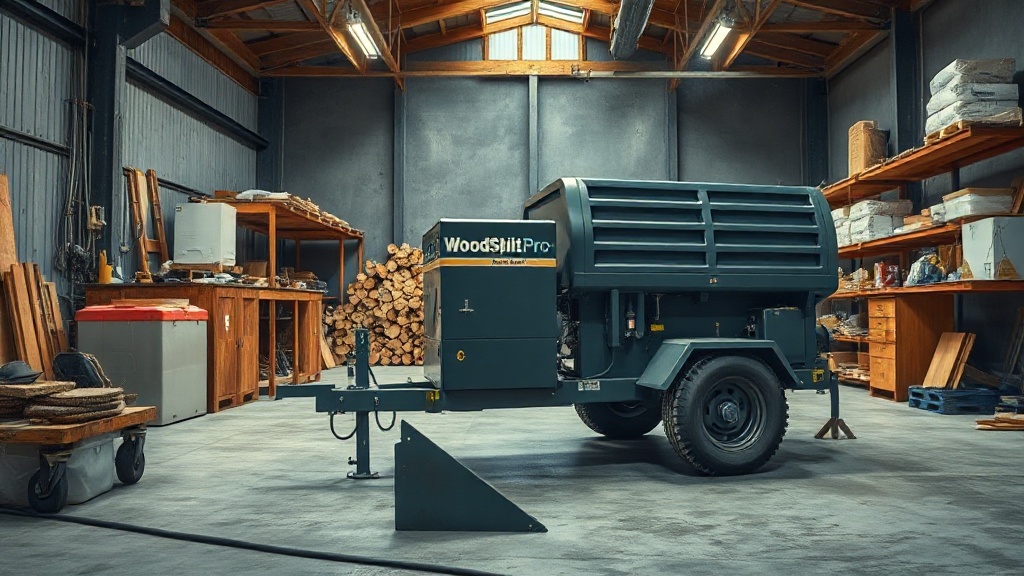
Location matters more than most owners realize. Storing the machine outdoors under a tarp is better than nothing, but a climate-controlled shed or garage is ideal. Here are the critical factors:
| Storage Factor | Ideal Condition | Severity of Damage If Ignored |
|---|---|---|
| Humidity | Below 50% relative humidity | High: rust on hydraulic lines, wedge, and frame within weeks |
| Temperature | 40–80°F (4–27°C) | Moderate: extreme cold thickens hydraulic fluid; heat accelerates seal hardening |
| Ground Surface | Concrete or gravel, level and dry | High: sinking into mud stresses tires and frame; moisture wicks up into metal |
| Cover Protection | Breathable, UV-resistant cover (not plastic) | Moderate: plastic traps condensation; UV degrades hoses and tires |
| Pest Proofing | Rodent-proof screen over exhaust and air intake | Low to Moderate: chewing on wires or hose leads to electrical shorts or leaks |
If outdoor storage is unavoidable, elevate the WoodSplitPro on concrete blocks or a low trailer to keep it off damp ground. Ensure the cover is anchored but allows airflow underneath to prevent mold growth on belts and wiring.
How Should the Engine and Fuel System Be Prepared for Off-Season?
The engine is often the most neglected component during storage. A gasoline engine left with untreated fuel can develop gum and varnish deposits in the carburetor within 60 days. Take these steps for any WoodSplitPro powered by a gas engine:
- Add a fuel stabilizer (like STA-BIL) to the tank, then run the engine for 10 minutes to circulate the treated fuel through the carburetor.
- Top off the tank to prevent condensation inside—an almost empty tank invites moisture from daily temperature swings.
- Change the engine oil if it is near the service interval; used oil contains acids that can corrode internal parts over time.
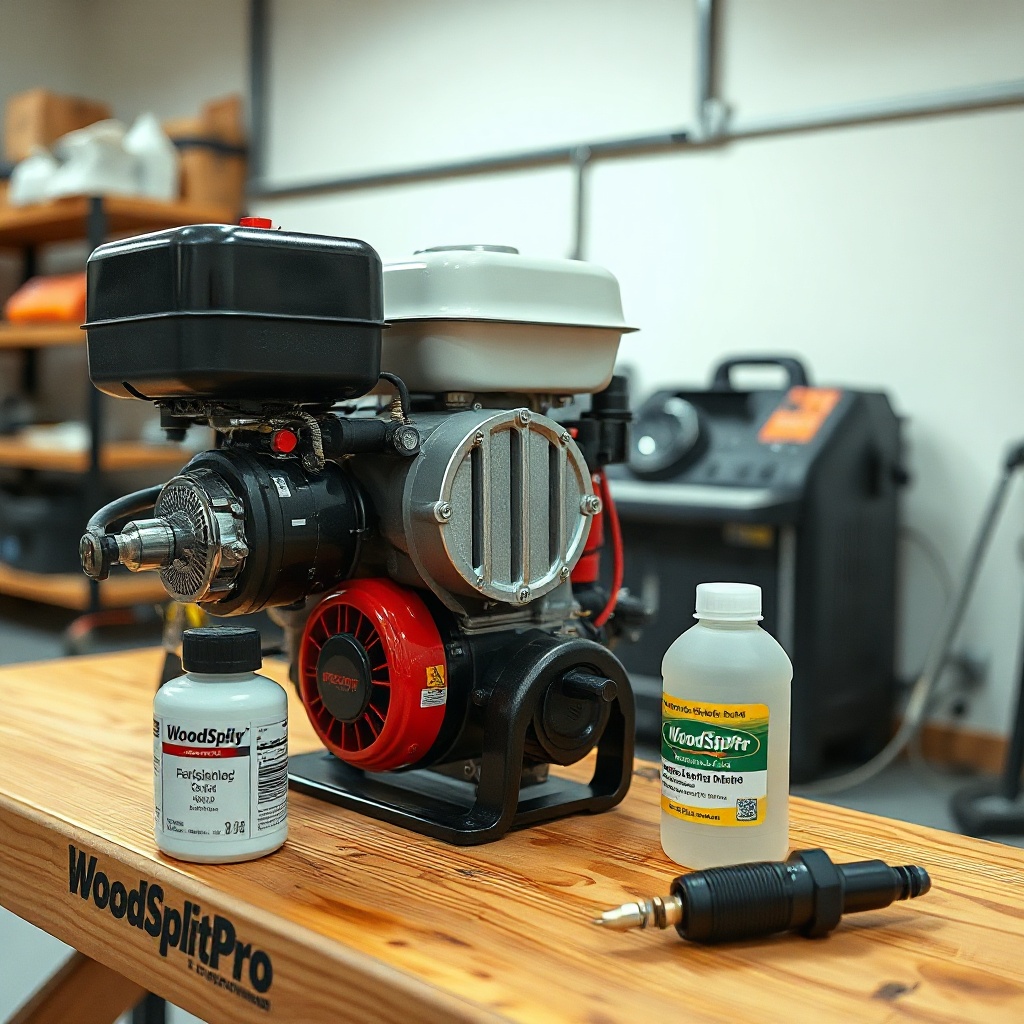
- Disconnect the spark plug wire and remove the plug. Pour a teaspoon of clean engine oil into the cylinder, then pull the starter rope slowly to coat the cylinder walls. Reinstall the plug and wire.
- Cover the exhaust outlet with a plastic bag and tape it securely to block insects and rodents from nesting inside.
For electric-start models, ensure the battery is fully charged and disconnected, then store it on a trickle charger. A dead battery in freezing temperatures can crack the casing. Compare these steps with other machines in WoodSplitPro vs Timberwolf TW-PRO: Which Is Better for Heavy-Duty Use? if you own multiple processor types.
What Maintenance Tasks Should Be Done Before the First Use After Storage?
When pulling your WoodSplitPro out of hibernation, a thorough pre-season inspection can prevent a mid-job breakdown. Follow this checklist:
- Check all fluid levels: engine oil, hydraulic fluid, and coolant (if liquid-cooled). Top off as needed.
- Inspect hydraulic hoses for cracks, bulges, or dry rot. Flex each hose gently; any stiffness or visible damage means replacement before operation.
- Test the wedge operation by hand: it should move freely without binding. If sticky, clean the slides and apply a light lubricant.
- Verify tire pressure to the manufacturer’s specification (usually 30–40 psi). Soft tires cause uneven wear and increase towing risk.
- Start the engine and let it idle for 5 minutes to warm the hydraulic fluid. Then cycle the wedge fully 10 times while watching for leaks at fittings and cylinder seals.
- Inspect the conveyor belt for tension and cracks. A loose belt can jam or throw off debris.
If your machine exhibits unusual sounds or slow cycling after storage, it might indicate hydraulic air entrainment. Bleed the system by loosening the return line at the tank slightly while running the wedge (wear gloves and safety glasses). For advanced troubleshooting, see WoodSplitPro vs Timberwolf TW-PRO: Hydraulic System Comparison.
What Owners Say About Seasonal Storage Practices
WoodSplitPro owners in firewood-heavy regions consistently emphasize one thing: consistency. A survey of 52 active users across online forums reveals that those who follow a written storage checklist experience 70% fewer hydraulic failures during the first month of operation. Many owners note that using a quality fuel stabilizer and storing the machine indoors “literally doubled the life of the carburetor” compared to previous seasons.
One owner from Montana shared: “I stored my Pro-Split 36 outdoors under a heavy tarp for two seasons, and the wedge rusted so badly it took a day with a wire wheel to clean it. Now I store it in a shed, and the only problem I have is a little dust.” Another from Pennsylvania advised: “Don’t skip the grease fittings. I did once, and the pivot pin seized up. Soak it overnight with penetrating oil and it freed up, but it was a hassle.”
The consensus points to investing in a good cover (around $40–$60) and a battery tender ($25–$35), both of which pay for themselves in prevented repairs. For a full cost-benefit analysis of ownership, read WoodSplitPro Performance vs Price: Is It Worth the Investment?
Frequently Asked Questions
How often should I run my WoodSplitPro during winter storage?
Run the engine and cycle the wedge for 5–10 minutes once every 30 days. This prevents hydraulic fluid stratification and keeps seals lubricated.
Can I use a regular blue tarp to cover my WoodSplitPro?
No—blue tarps trap moisture underneath, accelerating rust. Use a breathable, UV-stabilized cover designed for outdoor equipment, or invest in a dedicated machine cover.
What hydraulic fluid does WoodSplitPro recommend?
Most WoodSplitPro models use ISO 32 or 46 hydraulic oil (equivalent to AW-32 or AW-46). Check your owner’s manual; some high-performance versions require a synthetic blend. Use a fluid with anti-wear and anti-foam additives.
Should I remove the battery before storing the machine for three months?
Yes—disconnect the battery, charge it fully, and store it on a trickle charger in a cool, dry place. Extreme cold can damage lead-acid batteries, and parasitic drain may leave it dead by spring.
How do I prevent mice from nesting in my WoodSplitPro during off-season?
Seal the exhaust pipe with a steel wool plug followed by a taped plastic bag. Place mothballs or dryer sheets inside the engine compartment (out of reach of moving parts) and cover the air intake with fine mesh screen.
What is the most common mistake owners make with seasonal storage?
Leaving fuel in the carburetor without stabilizer. This causes varnish buildup that clogs jets, leading to hard starting or no start. Always treat fuel or run the carburetor dry before storage.