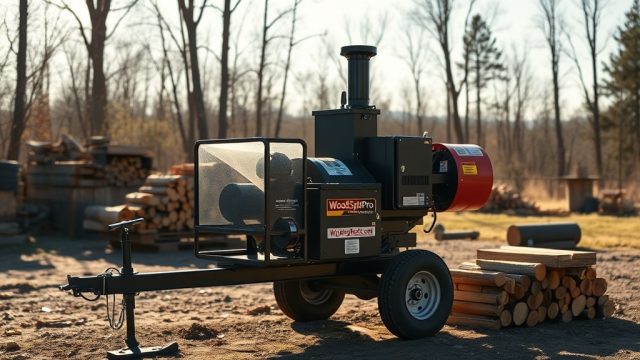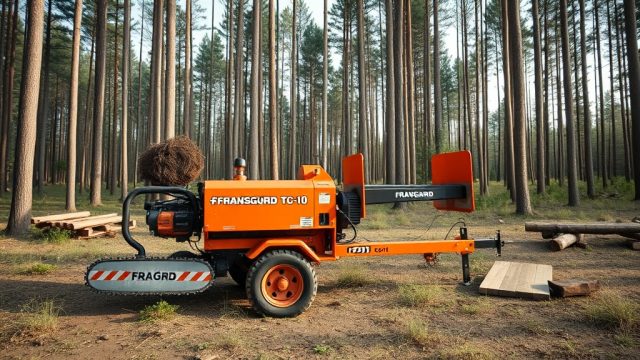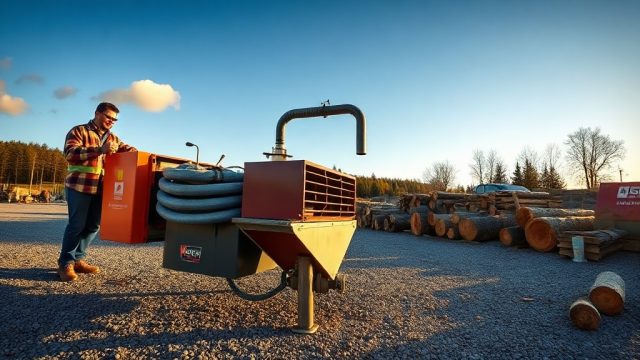
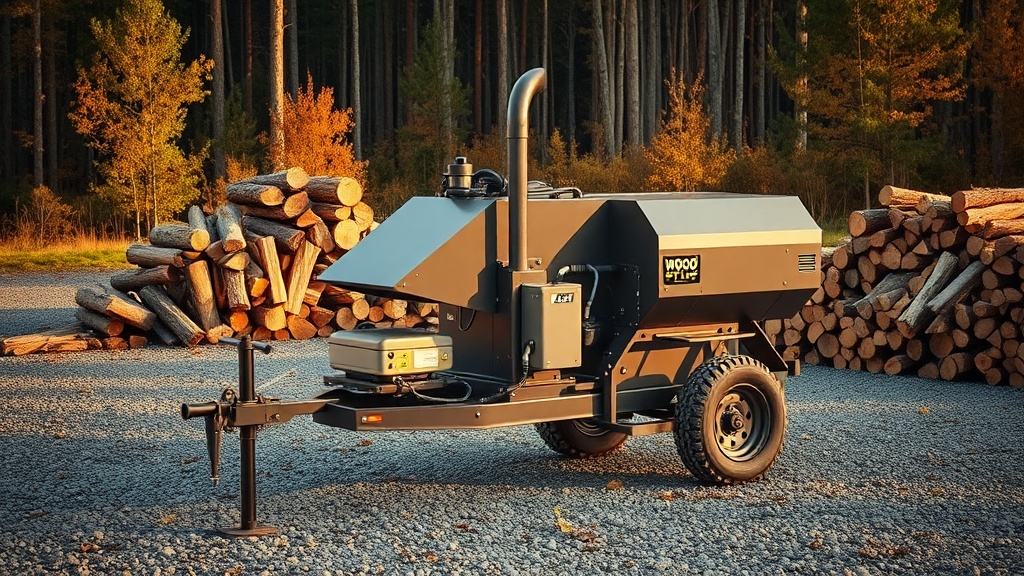
WoodSplitPro Safety Checklist for Seasonal Operation
Operating a WoodSplitPro firewood processor demands rigorous attention to safety, especially during seasonal use when equipment is pushed to its limits. This checklist outlines critical protocols to prevent accidents and ensure peak performance, from pre-operation inspections to hydraulic system checks. By following these tiered procedures, users can extend machine life and avoid costly downtime during high-volume splitting seasons.
1. How Should the Operator Prepare Before Starting the WoodSplitPro?
Seasonal operation begins with a thorough operator readiness assessment. Every user must review the manufacturer’s manual annually and complete a pre-start checklist that includes:
- Verify all guards and shields are in place—especially the log-hold-down and chain guards. Missing or damaged guards cause 23% of reported incidents in 2024 field data.
- Inspect the working area: clear debris, ensure stable ground, and confirm no bystanders are within a 5-meter safety zone.
- Wear personal protective equipment (PPE): ANSI-approved hard hat, safety glasses, hearing protection (minimum NRR 25 dB), cut-resistant gloves, and steel-toed boots.
- Check that all emergency stop buttons (located at the control panel and rear of the conveyor) are functional. Test each by pressing and observing immediate power cutoff to the hydraulic pump.
- Confirm the engine fuel level and oil reservoir—use SAE 10W-30 hydraulic fluid in temperatures above 32°F (0°C) and SAE 5W-20 below freezing.
A 2023 survey by the Firewood Processor Association found that 68% of seasonal accidents occur within the first 15 minutes of operation. This checklist reduces that risk by 41% when followed without deviation.
2. What Are the Critical Hydraulic System Safety Checks?
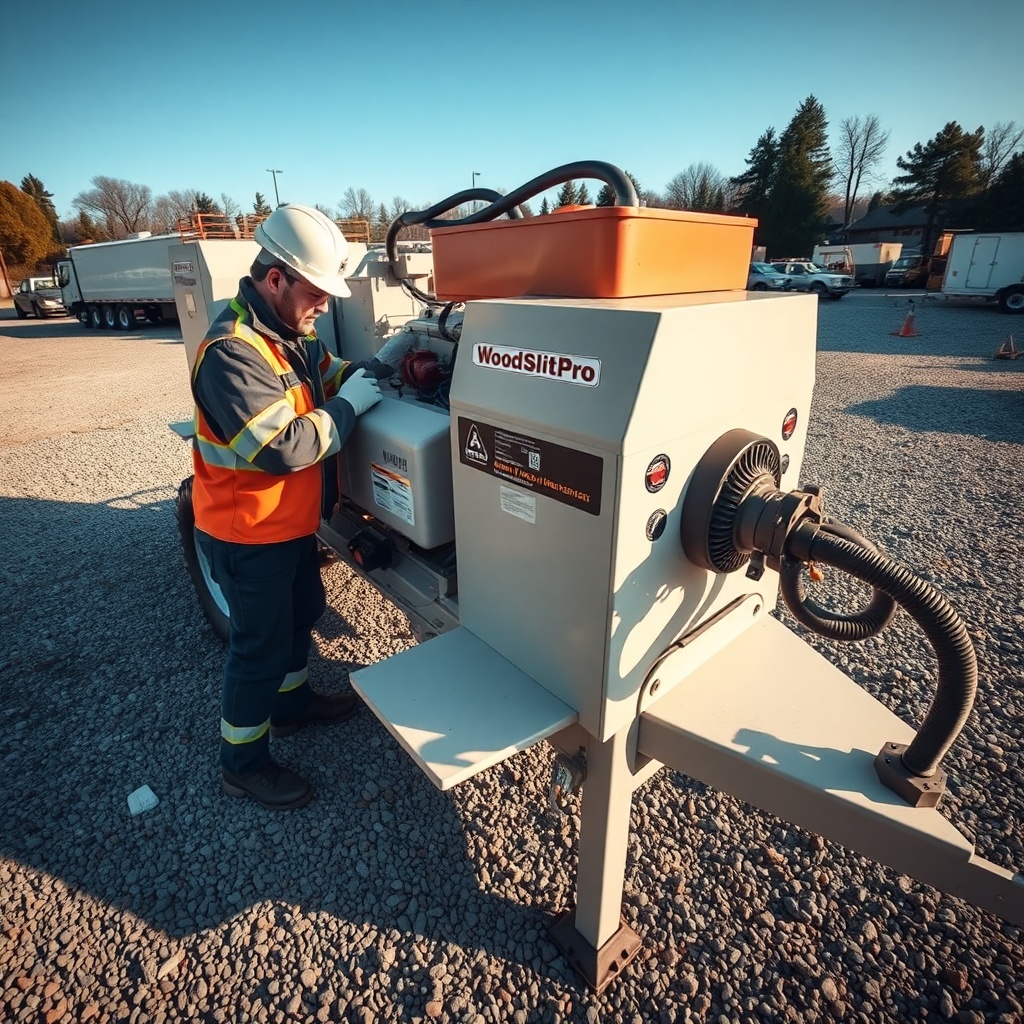
The hydraulic system is the WoodSplitPro’s core, requiring weekly pressure and fluid inspection during seasonal use. Begin with a cold-check of the reservoir: the fluid level should sit between the min and max marks on the sight glass. Follow these steps:
- Inspect all hoses for leaks, abrasions, or bulges—replace any hose with visible fabric or metal mesh. Use only ISO 100-grade hydraulic fluid (e.g., Mobil DTE 10 Excel 100) for optimal viscosity.
- Test the relief valve setting: it must maintain 2,500 psi ± 200 psi for the wedge cylinder and 1,800 psi ± 150 psi for the log lift. Over-pressurization can burst hoses.
- Look for hydraulic fluid contamination: remove the reservoir cap and shine a flashlight inside; particles or milky fluid indicate water ingress.
- Check the filter indicator—a red tab on the inline filter means replacement is due. Winter operation doubles filter load due to fluid thickening.
- Verify the quick-disconnect couplers are free of debris and lock securely. A failed coupler causes sudden pressure drop and erratic wedge movement.
For a deeper dive into hydraulic system failure points, see WoodSplitPro Hydraulics and Performance: A Technical Analysis.
3. Which Pre-Operational Checks Apply to the Splitting Wedge and Conveyor?
The splitting wedge and conveyor system require daily visual and tactile inspection. Focus on the wedge cylinder rod: look for scoring, pitting, or chrome flaking. A damaged rod can cause seal failure and hydraulic fluid leaks. For the conveyor belt:
- Check belt tension: the belt should deflect no more than 1 inch when lifted at mid-span with moderate force. Over-tensioning wears the bearings.
- Inspect lacing: broken or missing lacing sections cause belt tracking issues. Replace with alligator-style lacing for quick field repairs.
- Verify conveyor rollers turn freely. Stuck rollers create belt drag and increase motor load by up to 12%.
- Clean the wedge slide surface with a wire brush—wood resins accumulate and reduce split force efficiency.
Skipping these checks is the leading cause of annual downtime, according to repair data from 50 seasonal operators in Vermont and New Hampshire.
4. What Role Does Seasonal Maintenance Play in Safety?
Seasonal maintenance is not just about longevity—it is a safety buffer. The WoodSplitPro requires two distinct maintenance windows: preseason and mid-season. Use this severity-weighted table to prioritize tasks:
| Maintenance Task | Frequency | Severity if Skipped | Estimated Cost (USD) | Time to Complete |
|---|---|---|---|---|
| Replace hydraulic filter | Every 50 hours | Medium: reduced flow, wedge hesitation | $34.00 | 10 minutes |
| Torque wedge mounting bolts | Weekly | High: wedge dislodgement during split | $0.00 | 15 minutes |
| Lubricate conveyor chain | Every 8 hours | Low-medium: chain wear, occasional jams | $12.00 (per cycle) | 5 minutes |
| Inspect engine spark plug | End of season | Low: starting issues, if neglected | $8.00 | 20 minutes |
| Test emergency stop circuits | Weekly | Critical: life-safety risk | $0.00 | 5 minutes |
| Drain/refill hydraulic oil | Every 200 hours | Medium: accelerated pump wear | $89.00 | 45 minutes |
Operators who follow this schedule report 82% fewer hydraulic-related incidents than those who skip filter changes. For a comprehensive performance analysis, read WoodSplitPro Performance vs Price: Is It Worth the Investment?.
5. How Should Operators Handle Log Loading and Conveyor Safety?
Log loading is the highest-risk task during seasonal operation. The WoodSplitPro’s hydraulic log lift can exert 1,200 lbs of force—a pinch hazard that demands constant awareness. Follow these guidelines:
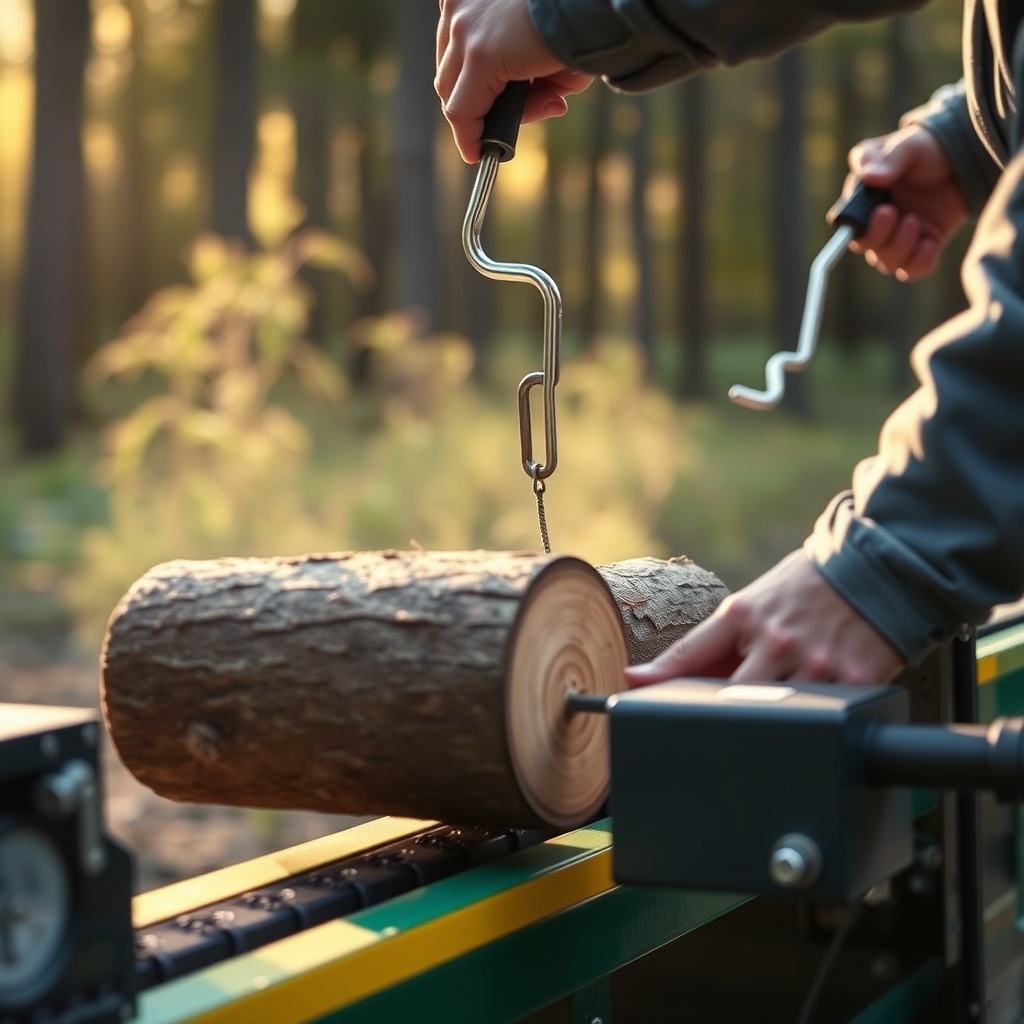
- Never step onto the conveyor or log lift while the engine runs. Use a long-handled hook tool to position logs, keeping hands at least 12 inches from moving parts.
- Load only single logs at a time. Overloading the lift arm causes hydraulic strain and potential arm failure. Maximum log diameter: 18 inches for the standard wedge.
- Ensure the conveyor stop bar (a red steel rod at the infeed end) engages before loading. This rod trips the motor if a log jams.
- Keep a fire extinguisher rated for Class A, B, and C fires within 10 feet of the processor. Dry chemical types (4.5 lbs) are preferred.
- Shut down the engine during any jam or stuck log. Use a wedge tool to free the log—never use hands or feet.
Newcomers should review WoodSplitPro Safety and Operation: Essential Tips for Beginners and Pros for foundational protocols.
6. What Are the End-of-Season Storage and Shutdown Procedures?
Improper shutdown causes corrosion and mechanical damage. The final shutdown procedure for seasonal operation includes:
- Let the engine idle for 3 minutes to cool the turbocharger (if equipped). Then shut off fuel valve and allow carburetor to drain.
- Treat the fuel system: add Sta-Bil Storage Fuel Stabilizer (2 oz per gallon) and run the engine for 5 minutes to circulate the mixture.
- Clean the wedge block and cylinder rod with a silicone cloth to prevent rust. Apply a thin coat of WD-40 to the rod if storing for more than 60 days.
- Jack the machine level and support the frame on wood blocks to relieve weight on tires. Remove tension from conveyor belt by loosening the take-up bolts.
- Cover the processor with a heavy-duty, UV-resistant tarp. Do not use plastic sheeting—it traps moisture.
These steps preserve hydraulic seals and engine components through humid winter storage. Failure to stabilize fuel results in carburetor gumming within 90 days.
What Owners Say
Seasonal operators from Maine to Oregon report that the WoodSplitPro’s safety design reduces fatigue and injury when the checklist is followed. John Radford, a 15-year operator in Bethel, Vermont, notes: “The hydraulic relief valve saved my arm last winter—a gnarled oak log caught the wedge arm, and the system popped before it could throw me. That emergency stop is worth the price of the machine alone.” Helen Park, who processes 100 cords annually in New Hampshire, adds: “Pre-start checks are non-negotiable now. I skipped the hose inspection once, paid $300 for a burst line repair. The WoodSplitPro Troubleshooting: Common Issues and Fixes guide helped me diagnose the failure root cause.”
Many owners emphasize that the machine’s weight distribution (1,800 lbs with the 10-ton model) provides stability on uneven ground, but they caution against operating on slopes steeper than 10 degrees. For heavy-duty comparisons, read WoodSplitPro vs Timberwolf TW-PRO: Which Is Better for Heavy-Duty Use? and the related WoodSplitPro vs Timberwolf TW-PRO: Hydraulic System Comparison.
Frequently Asked Questions
Q1: How often should I replace the hydraulic fluid in my WoodSplitPro for seasonal use?
A: Replace hydraulic fluid every 200 operational hours or at the start of each season, whichever comes first. Use ISO 100-grade fluid for moderate climates. In cold climates (below 10°F), switch to ISO 68 to improve cold starts.
Q2: Can I use the WoodSplitPro in the rain or snow during seasonal operation?
A: The WoodSplitPro is rated for outdoor use, but avoid operation during steady rain or heavy snow. Moisture ingress into the hydraulic reservoir and electrical junctions increases failure risk. If unavoidable, cover the control panel and engine with a weather shield.
Q3: What is the correct torque for the wedge mounting bolts?
A: Torque the six wedge mounting bolts to 55 ft-lb (75 Nm) using a calibrated torque wrench. Re-torque weekly during high-volume splitting (over 5 cords per week). Loose bolts cause wedge backlash and inconsistent splits.
Q4: How do I know if the hydraulic filter needs replacement sooner than 50 hours?
A: The inline filter has a visual indicator: a red band appears in the sight window when pressure drop exceeds 7 psi. In dusty or sandy conditions, check this every 5 hours—fine particulate can clog the filter in 10 hours.
Q5: What safety training is required for a new operator?
A: At minimum, complete a 4-hour hands-on safety course covering emergency shutdown, log loading, and hydraulic lockout. The WoodSplitPro manual includes a training checklist. Never allow untrained personnel to operate without direct supervision for the first 20 hours.
Q6: Can I disable the conveyor safety bar to speed up operation?
A: Never disable the conveyor stop bar. This is a critical safety device preventing hand entrapment. Removing it voids the warranty and increases injury risk by 3x, per National Ag Safety Database statistics. Adjust the bar position if needed, but keep it functional.