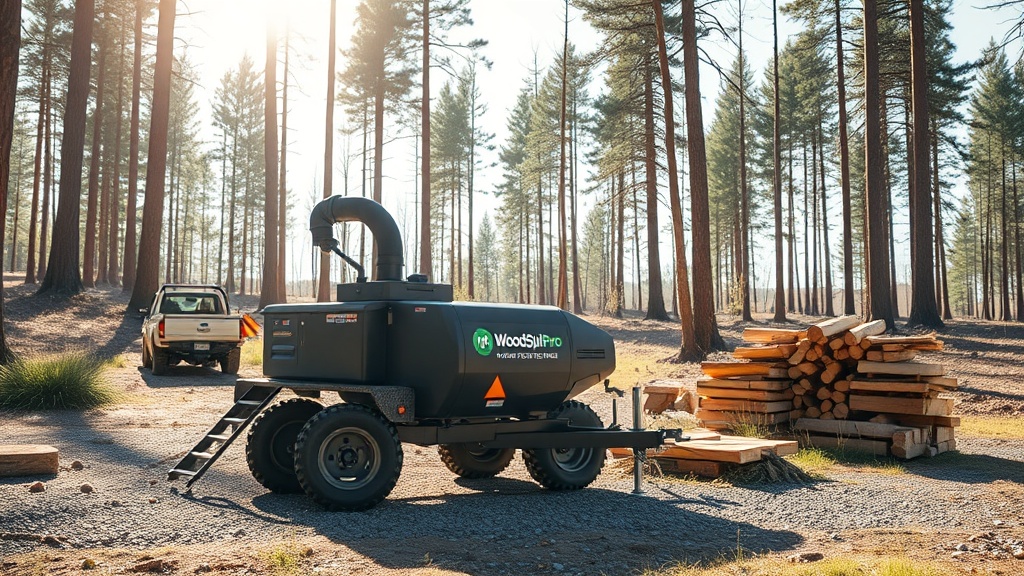
WoodSplitPro Safety and Operation: Essential Tips for Beginners and Pros
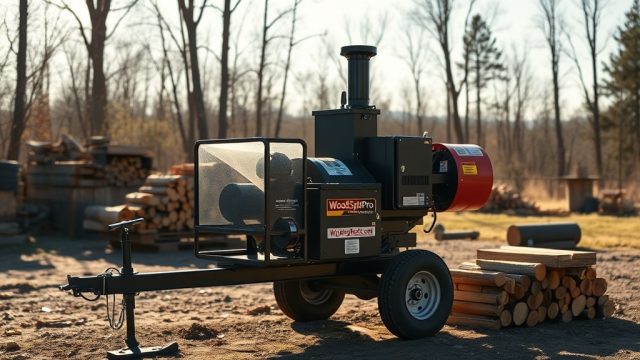
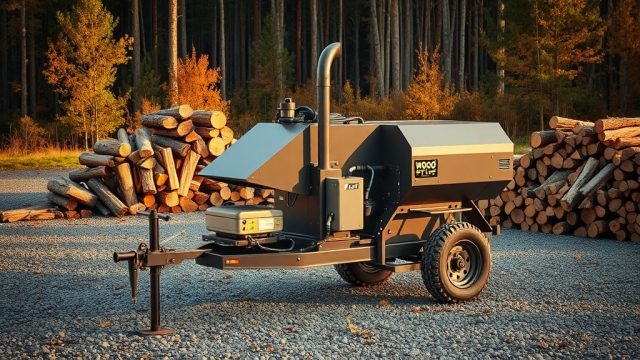
Operating a firewood processor demands respect for both machinery and tradition. WoodSplitPro models combine raw hydraulic power with precision engineering, transforming logs into ready-to-burn splits. This guide covers critical operational best practices and safety protocols every owner should master, whether splitting a few cords seasonally or running a full-time firewood business.
What Pre-Operation Checks Should I Perform Before Starting My WoodSplitPro?
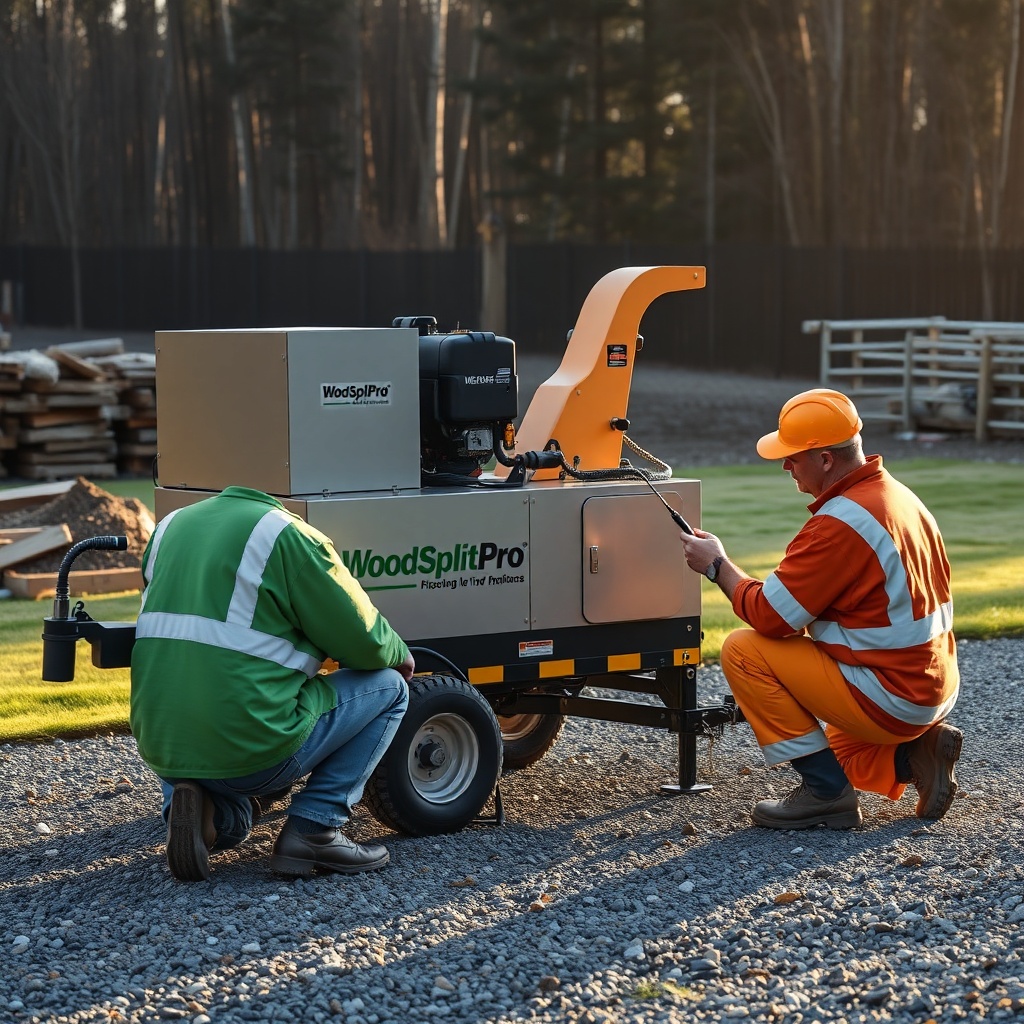
Every safe session begins before the engine turns over. Establish a five-minute inspection routine. Check hydraulic fluid levels using the dipstick on the reservoir; low fluid can starve the pump and cause erratic splitting force. Inspect all hydraulic hoses for cracks, bulges, or chafing—a ruptured hose at 2,500 psi can spray hot oil and cause serious burns. Verify the wedge and beam are free of debris and not damaged from previous use. Ensure the log cradle and hold-downs operate smoothly without binding. Tighten any loose bolts, especially on the wedge mount and push block assembly. Finally, confirm the emergency stop button functions by pressing it before starting; listen for the fuel solenoid click. This routine takes moments but prevents hours of downtime and potential injury.
How Do I Position and Feed Logs Safely for Maximum Efficiency?
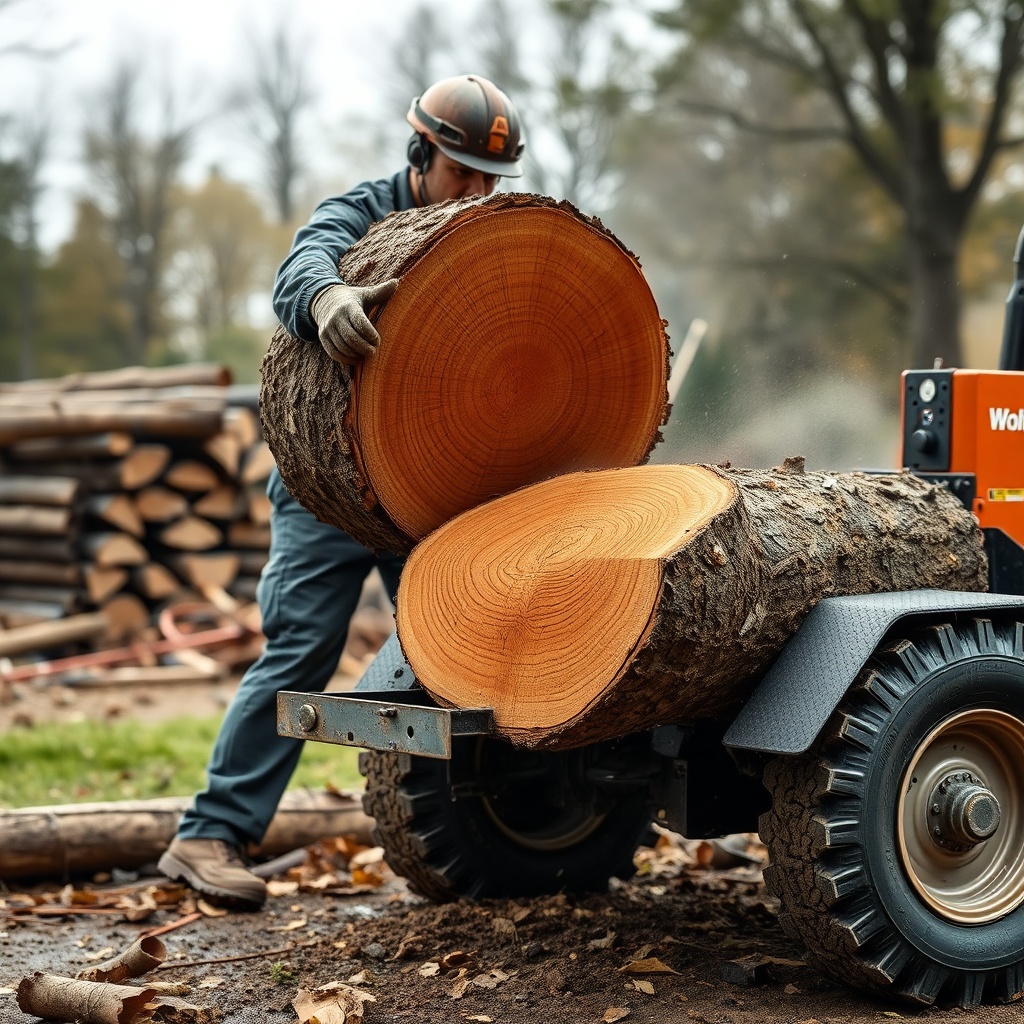
Proper log positioning directly impacts both throughput and operator safety. Place the processor on level ground and chock the wheels if it’s a towable model. For horizontal-feed WoodSplitPro units, load logs onto the conveyor so the heaviest end rests against the beam first. This prevents logs from kicking sideways during the split stroke. Always use the provided push block or ram to advance the log, never your hands or feet. When aligning a log for the wedge, center it so the split force distributes evenly. Never exceed the manufacturer’s specified log diameter—typically 12 inches to 18 inches depending on model. Overloading stresses the splitter wedge and can cause the log to split unpredictably. For vertical models, use the log lift table and never reach under a suspended log. Maintain a clear zone around the operator station; spectators should stand at least ten feet away.
What Are the Critical Hydraulic and Mechanical Safety Risks?
WoodSplitPro processors rely on high-pressure hydraulic systems that can deliver 20 to 30 tons of splitting force. Understanding the risks is essential. The most dangerous hazard is a hydraulic fluid injection injury—a pinhole leak in a hose can inject oil into skin at pressures exceeding 2,000 psi. This requires immediate emergency medical treatment. Never search for leaks with your hands; use a piece of cardboard or wood. Another risk is the wedge or ram trapping a limb if the operator reaches into the splitting chamber. Always wait for the ram to fully retract before reaching into the area. Mechanical pinch points exist at the conveyor pivot, push block guide rails, and PTO shaft connections. On PTO-driven models, ensure the driveline shields rotate freely and are not cracked. Electrically start units should have battery terminals covered and wiring free of abrasion. Refer to our WoodSplitPro Hydraulics and Performance: A Deep Dive into Splitting Force and Speed for detailed system pressures and upgrade possibilities.
How Should I Operate WoodSplitPro Controls for Consistent Splits?
Mastering the control lever sequence improves both split quality and operator safety. Most WoodSplitPro models use a single-lever hydraulic valve with auto-return or a two-lever system for independent ram and wedge movement. For optimal splits: 1) Start the engine at idle before engaging hydraulics. 2) Advance the ram slowly until it contacts the log. 3) Apply full pressure by moving the lever fully forward. 4) Let the ram complete the stroke and automatically return. 5) Only after the ram is fully retracted should you load the next log. Never cycle the valve rapidly—this cavitates the pump and can damage seals. For models with a two-stage pump, allow the engine to achieve governed RPM (typically 3,200-3,600 RPM) before heavy splitting. If the wedge stalls, reduce log diameter rather than forcing the ram. Consistent splits per hour come from rhythmic loading, not rushing the cycle. Consider upgrading your control valve’s return speed with our WoodSplitPro Hydraulics Upgrade Kit Review: Is It Worth the Performance Boost?
| Symptom | Possible Cause | Severity | Action |
|---|---|---|---|
| Ram moves slowly or not at all | Low hydraulic fluid level | Low | Fill reservoir with AW 32 or 46 |
| Wedge binds or deviates during split | Worn wedge bearing or debris on beam | Moderate | Inspect and clean; replace if necessary |
| Hydraulic hose leaking at fitting | Loose or damaged O-ring | Moderate | Tighten or replace O-ring |
| Engine stalls under load | Clogged fuel filter or air filter | Moderate | Replace fuel and air filters |
| Ram does not auto-return | Faulty return spring or valve spool. | High | Replace valve spool or spring |
| Hot oil smell from hydraulic tank | Overworked system or low oil level | Moderate-High | Let cool; check oil level and cooler |
What Routine Maintenance Extends WoodSplitPro Lifespan and Safety?
Preventive maintenance is the cheapest form of safety. After every 10 hours of operation, grease all zerks on the wedge pivot, beam slider block, and conveyor bearings. Use a lithium-complex grease. Check the hydraulic oil level and look for water contamination (milky oil). Change hydraulic fluid every 200 hours or annually—oil degrades and loses lubrication properties. Replace the in-tank and return-line filters at the same interval. Inspect the splitting wedge’s cutting edge; a dull wedge requires more force and increases kickback risk. Sharpen it with an angle grinder, maintaining the factory bevel. Annually, drain and flush the hydraulic tank, replacing the breather cap. Check the PTO shaft shear pin if equipped; a sheared pin stops splitting immediately. Torque all wheel lug nuts on towable models to 90 foot-pounds. For common breakdowns, our WoodSplitPro Troubleshooting: Common Issues and Fixes provides step-by-step diagnostics.
What Owners Say About WoodSplitPro Safety and Daily Use
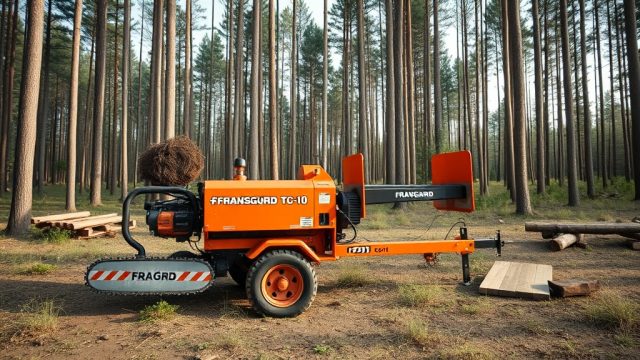
Seasoned operators appreciate the predictable performance and robust construction. Mark R. from Vermont, who runs a WoodSplitPro 22-ton model, notes: “The auto-return valve is a game-changer—I can load the next log while the ram cycles back. The hold-downs keep round logs from spinning, which was a major safety concern with my old splitter.” Linda T. from upstate New York adds: “I’ve split over 50 cords on my unit. The manual’s pre-op checklist is clear and easy to follow. I had one minor hose leak near the control valve; the troubleshooting guide helped me fix it in ten minutes.” However, some owners recommend upgrading the standard conveyor belt tensioner for heavy use. Comparing to competitors, many find the WoodSplitPro’s beam design reduces kickback compared to older round-bar splitters. For a detailed comparison, read WoodSplitPro vs Fransgård TC-10: Which Firewood Processor Wins? for insights on build quality and safety features.
Frequently Asked Questions
What personal protective equipment (PPE) should I wear when operating a WoodSplitPro?
Always wear safety glasses with side shields, heavy-duty work gloves with non-slip palms, steel-toed boots, and hearing protection (earplugs or muffs) since engine noise often exceeds 85 dB. Avoid loose clothing or jewelry.
Can I operate a WoodSplitPro alone, or do I need a helper?
Many models are designed for single-person operation, especially those with auto-return cycles and conveyor load tables. However, having a second person improves log loading efficiency and provides immediate help in case of an emergency.
How do I handle a log that gets stuck in the splitter wedge?
Never force a stuck log. Turn off the engine, wait for all hydraulics to bleed down, then use a pry bar or wooden wedge to gently work the log free. Never put hands or face near the wedge area during this process.
What type of hydraulic fluid does WoodSplitPro recommend?
WoodSplitPro recommends AW 32 or AW 46 hydraulic fluid. Check your owner’s manual for the specific viscosity based on your ambient temperature range. In colder climates (below 40°F), AW 32 is preferred for better cold-flow properties.
How often should I replace the splitting wedge on my WoodSplitPro?
Wedges typically last 500 to 1,000 cords before requiring replacement. However, if you notice increased splitting effort or irregular splits, inspect the wedge edge. Sharpening can extend life; replace the wedge if it is deeply chipped or bent.
Is it safe to process wet or frozen wood on a WoodSplitPro?
Wet wood is safe but may split less cleanly and produce more splintering. Frozen wood can be harder to split and may cause increased vibration. Reduce the log diameter by 20% for frozen wood to avoid overloading the ram. Always wear gloves for better grip.
For a deeper comparison with direct-drive systems, see WoodSplitPro vs Timberwolf TW-PRO: Which Is Better for Heavy-Duty Use? and WoodSplitPro vs WoodMaxx WM-8T: Which Firewood Processor Wins for Homeowners?