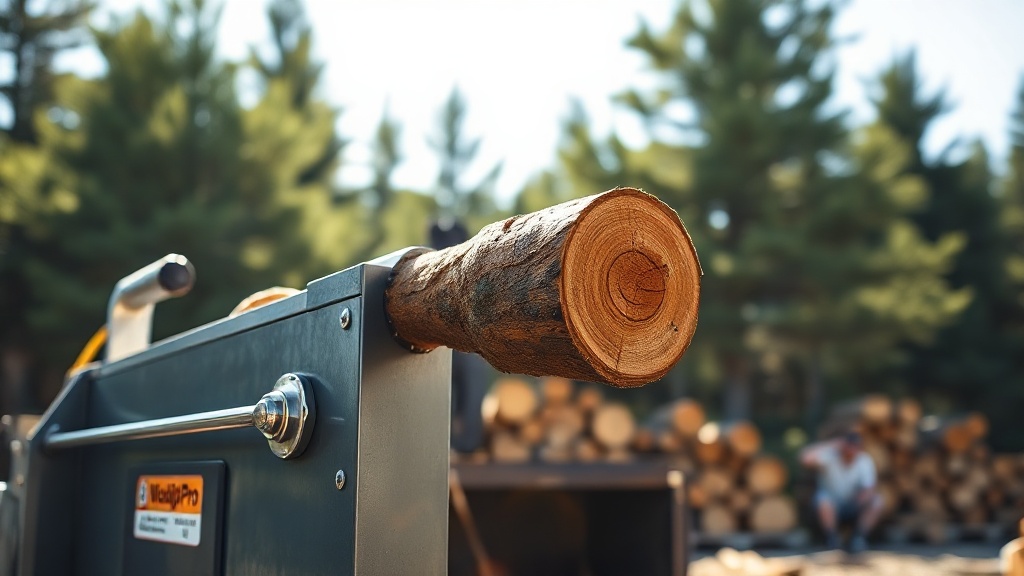
WoodSplitPro Troubleshooting: Common Issues and Fixes
WoodSplitPro firewood processors are known for their robust build and consistent splitting power, but like any hydraulic machinery, they can develop issues over time. Left unchecked, minor problems can escalate into costly repairs. This guide covers the most common WoodSplitPro failures—from erratic wedge movement to hydraulic fluid leaks—and provides actionable fixes so owners can get back to processing cords quickly. Whether the unit is a base model or a high-flow variant, these troubleshooting steps apply.
Why Is the Wedge Stopping Mid-Stroke or Not Retracting Fully?
A wedge that hesitates or refuses to complete a full stroke is often the first sign of hydraulic trouble. In many WoodSplitPro models, the issue stems from low hydraulic fluid levels caused by a minor leak at a fitting or cylinder seal. Check the sight glass on the reservoir first—if fluid is below the minimum line, top off with AW-32 hydraulic oil. If the wedge still stalls, inspect the hydraulic return filter for clogs. A dirty filter restricts oil flow, reducing cycle speed and force. Replace the filter annually or after every 200 operating hours. For units with a manual control valve, confirm that the detent mechanism isn’t stuck half-open; a quick clean with brake cleaner often resolves this.
Another common culprit is air trapped in the cylinders. After fluid refills or filter changes, cycle the wedge fully extended and retracted 8–10 times to purge air pockets. If the wedge still drifts or fails to retract, the cylinder seals may be worn, requiring a rebuild kit. Owners report that ignoring this symptom leads to erratic splitting force and potential rod scoring.
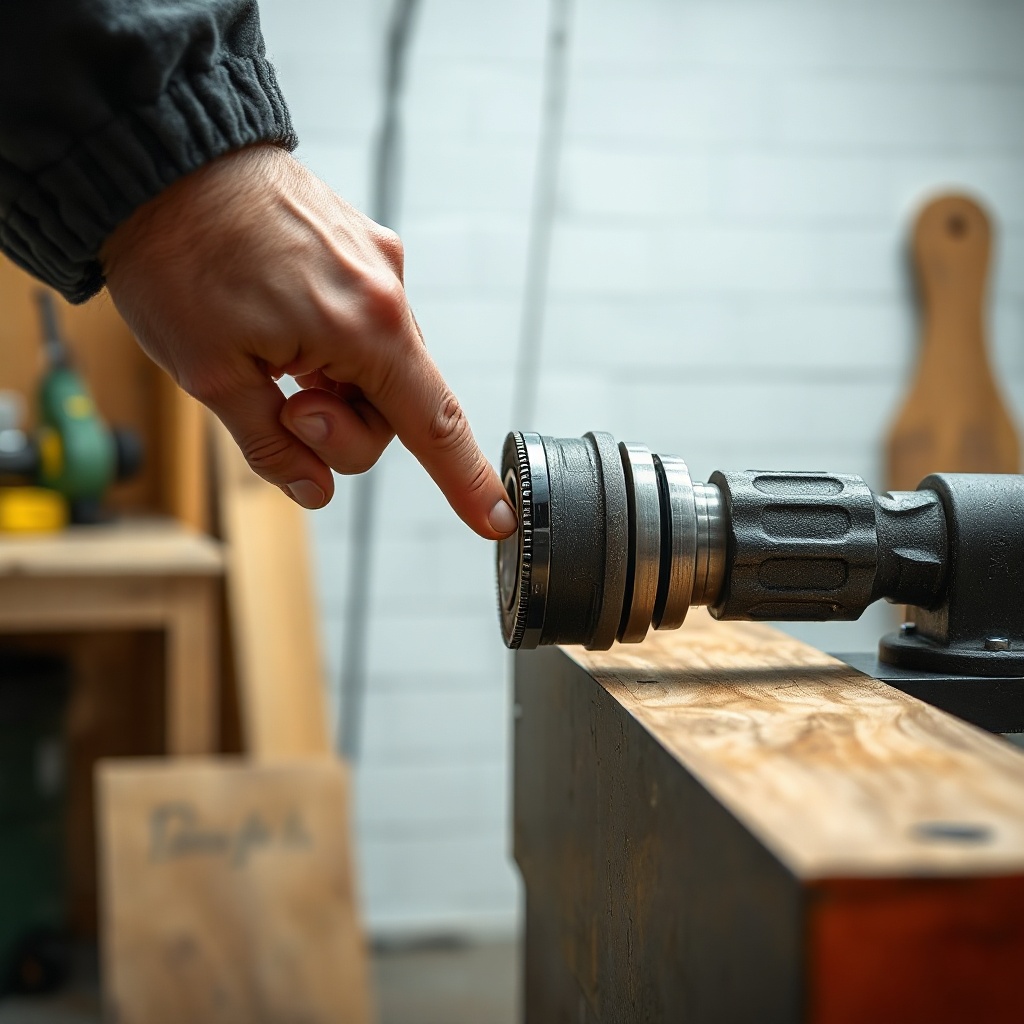
Why Does the WoodSplitPro Engine Smoke or Run Rough?
Smoke from a WoodSplitPro engine is rarely normal. Blue smoke indicates burning oil—typically from overfilled crankcase oil or worn piston rings. Check the dipstick; oil levels should sit exactly at the full mark, not above. If the oil is frothy, it may be contaminated with condensation from short run times. Change the oil and run the engine for 30 minutes under load to clear the rings. Black smoke signals a rich fuel mixture, often due to a clogged air filter or choked carburetor. Replace the air filter and clean the carburetor jets with compressed air. On propane-powered models, black smoke can result from a faulty regulator—test output pressure with a manometer. If the engine surges, inspect the fuel cap vent; a blocked vent creates a vacuum that starves fuel flow. For persistent surging, the spark arrestor screen may be carboned-up—remove and wire-brush it clean.
Don’t forget to check the spark plug gap. WoodSplitPro engines require a 0.030-inch gap; a wider gap causes misfire and rough idle. Replace plugs every 100 operating hours with NGK BPR6ES equivalents. For diesel variants, inspect the fuel water separator and bleed the injector lines if the engine stumbles under load.
How to Fix WoodSplitPro Hydraulic Leaks at Fittings and Hoses
Hydraulic leaks are the most frequent maintenance call among WoodSplitPro owners. They usually occur at O-ring face seal fittings or at crimped hose ends. Below is a severity table to help diagnose leaks quickly:
| Leak Location | Severity Level | Common Cause | Repair Method | Approx. Cost (USD) |
|---|---|---|---|---|
| Fitting (JIC or ORFS) | Low to Moderate | Loose nut or cut O-ring | Tighten nut to 25–30 ft-lb; replace O-ring | $3–$8 |
| Crimped hose end | Moderate to High | Corrosion or flex fatigue | Replace hose assembly | $22–$45 per hose |
| Pump shaft seal | High | Worn seal or misalignment | Replace shaft seal and align pump coupling | $65–$120 |
| Cylinder rod seal | High | Contaminated fluid or scoring | Rebuild cylinder with new seals | $40–$90 for kit |
For fitting leaks, always use a backup wrench to prevent twisting hoses. When replacing a hose, measure its length carefully and order a direct replacement from a hydraulic supply house. Owners upgrading their system often pair hose repairs with a hydraulics upgrade kit for improved flow. Never use thread seal tape on hydraulic fittings—it can shred and clog valves. Instead, apply a light coat of hydraulic thread sealant to male threads on NPT fittings only.
Why Does the WoodSplitPro Auto-Cycle System Malfunction?
The auto-cycle lever on some WoodSplitPro models uses a mechanical detent that locks the spool valve in the extend position until pressure drops. When this fails, the splitter either stays extended or fails to engage. First, check that the detent ball isn’t stuck—remove the valve cap and clean the ball and spring with solvent. If the detent spring is weak, replace it (part number is stamped on the valve body). On newer models with electronic solenoid valves, a blown fuse or corroded connector is often to blame. Test the solenoid coil resistance; it should read 12–14 ohms for a 12V system. If the coil is open, replace it. An intermittent auto-cycle failure sometimes traces to a loose ground wire at the battery or frame. Clean the grounding point and tighten all connections to 10-mm torque. For safety, always disable the machine’s power before probing solenoid wiring.
What Causes WoodSplitPro Splitter Log Bed Jams and Stuck Logs?
Log bed jams usually occur when operators try to split knotted or Y-shaped pieces that don’t align with the wedge. Before forcing a log, inspect the log lift cradle and chain adjustment. A loose chain allows logs to skew, causing jams. Tighten the chain to ¼-inch sag at mid-span and lubricate it with bar-and-chain oil every four hours of use. If the log still won’t advance, the slide rails might be worn or dry—grease the rail contact surfaces with lithium-based grease. A more advanced issue is a bent push rod from over-pressing oversized logs. Straighten a bent rod carefully in a hydraulic press, or replace it if cracked. For stubborn wood species like seasoned oak, reduce splitting force by 20% and use a slower cycle speed. Owners who compare models often note that WoodSplitPro’s log bed design handles twisted grain better than the Fransgård TC-10, but still requires sharp wedges. Sharpen a dull wedge with an angle grinder and a flap disc—never a file, which creates uneven edges.
How to Troubleshoot WoodSplitPro Low Splitting Force or Slow Cycle Time
When the splitter doesn’t pack the punch it once had, start with the pump. A worn pump will produce low pressure even if fluid is full. Attach a 5,000 PSI gauge to the pump output port and cycle the wedge against a solid object—reading should match the spec plate (usually 2,500–3,000 PSI for standard models). If pressure is low, check the pump coupler for sheared keys or worn splines. Next, inspect the relief valve—a partially open relief bleeds pressure. Adjust it by turning the Allen screw clockwise in ¼-turn increments until pressure climbs. Never exceed the rated PSI by more than 10%. For slow cycle time, the issue is often a restricted suction line—collapse can occur if the hose is too soft or kinked. Replace with a wire-reinforced suction hose. A clogged return filter also slows cycles; upgrade to a high-flow filter if the machine is used for commercial splitting. Finally, bleed air from the system following the procedure in the deep dive into splitting force and speed. For a dramatic performance boost, consider a hydraulics upgrade kit that replaces the pump and valve bank.

What Owners Say
WoodSplitPro owners consistently praise the machine’s ease of maintenance but note that the hydraulic filter housing can be tricky to access. On online forums, a common tip is to relocate the filter to a remote mount for faster changes. Many report that the stock suction hose degrades after three years, leading to cavitation noise. One long-time owner from Pennsylvania said: “Replaced the suction line with a Gates 1-inch hose and the pump runs whisper-quiet now.” Another owner in Ontario highlights the importance of winterizing: “If you leave old hydraulic fluid in over winter, seals shrink. I flush with new AW-32 every fall and haven’t had a leak in five years.” The auto-cycle detent troubleshooting is a frequent topic, with several owners recommending upgrading to a manual valve if the detent fails. Comparisons against other brands are common—many cite the WoodSplitPro vs WoodMaxx WM-8T debate, particularly regarding wedge design and ease of log loading. A dealer from Wisconsin notes: “WoodSplitPro’s steel thickness is 20% heavier than the competition, but the paint chips faster—touch it up with farm implement enamel.” The consensus: WoodSplitPro is a workhorse with a few predictable quirks, all manageable with routine attention.
Frequently Asked Questions
1. How often should I change the hydraulic fluid on a WoodSplitPro?
Change the full hydraulic fluid every 500 operating hours or yearly, whichever comes first. Use AW-32 mineral oil. For units used in dusty conditions, halve that interval. Partial top-offs can be done with AW-32 as needed, but don’t mix with other viscosities.
2. What engine oil does a WoodSplitPro take?
Most gas-powered WoodSplitPro units use SAE 30 weight oil (10W-30 for cold climates). Capacity is typically 1.2 to 1.5 quarts. Check the dipstick after filling to avoid overfilling, which causes smoking. Diesel variants use 15W-40.
3. Why does my WoodSplitPro make a high-pitched whining noise?
Whining usually indicates air in the hydraulic system or a clogged suction filter. Cycle the wedge 8–10 times with the pump running to purge air. If the noise persists, inspect the suction hose for collapse and the filter for debris. Low fluid level can also cause pump cavitation.
4. Can I run a WoodSplitPro in freezing temperatures?
Yes, but use hydraulic fluid rated for cold weather (e.g., AW-32 with a pour point below -30°F). Warm the machine by cycling the wedge 4–5 times without load. Never operate with frozen lines or ice in the reservoir. Store indoors when possible.
5. How do I adjust the splitting wedge angle on a WoodSplitPro?
The wedge on most WoodSplitPro models is fixed, not adjustable. For angled cuts, reposition the log on the bed. Some owners install a wedge shim kit to change the attack angle for stringy wood, but this voids the warranty. Consult the manual for your specific model.
6. Where can I find a wiring diagram for the auto-cycle controls?
Wiring diagrams are printed on the inside panel of the control box cover. If missing, contact WoodSplitPro customer support with your serial number. Replacement diagrams are also available from the manufacturer’s website under the technical documentation section. Never rely on generic diagrams—wire colors vary by production year.