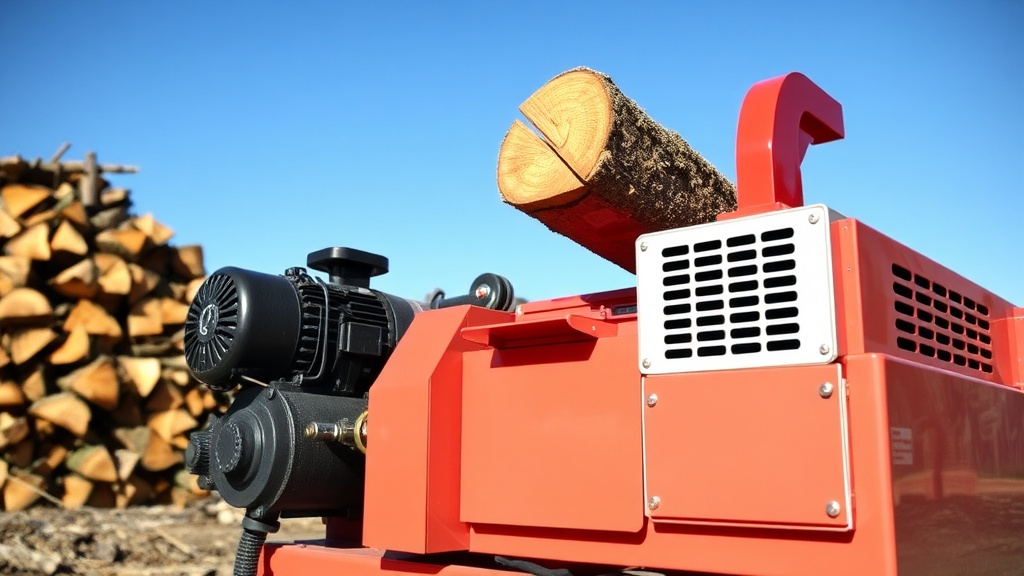
How Does the WoodSplitPro Hydraulic System Deliver Force and Speed?
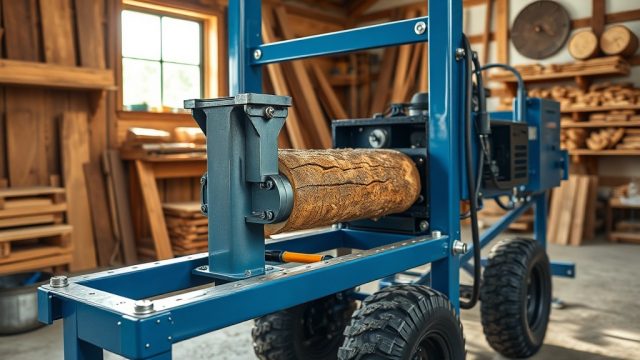
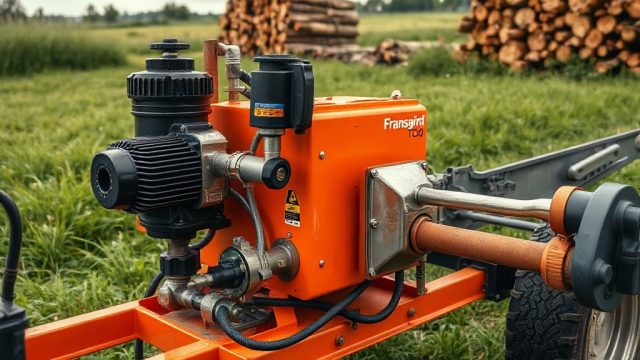
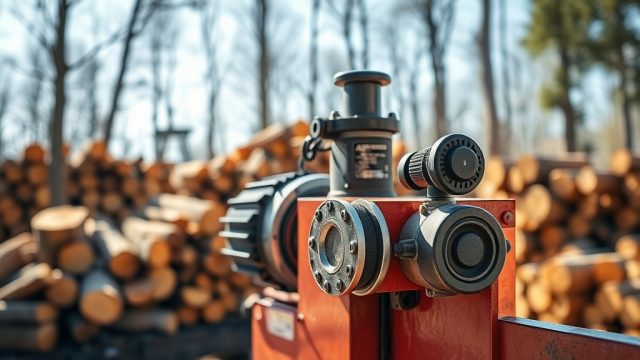
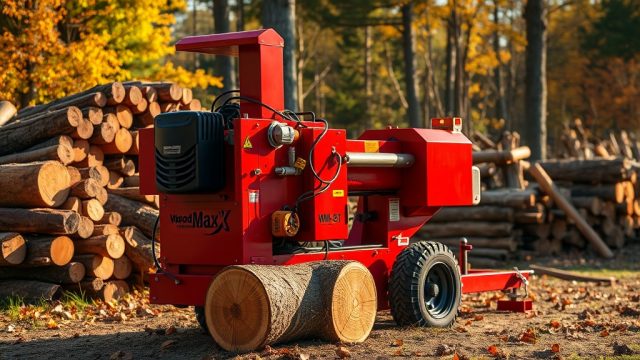
The WoodSplitPro line of firewood processors is engineered around a robust hydraulic architecture that prioritizes both splitting force and cycle speed. At the heart of every unit lies a dual-stage hydraulic pump coupled with a heat-dissipating reservoir, ensuring consistent performance even under heavy, continuous loads. The hydraulic system is the linchpin of the machine’s ability to handle tough, knotty hardwoods like oak and hickory without stalling or overheating.
Standard models feature a 28-gram per revolution pump driven by a 12-horsepower gas engine, generating up to 22 tons of splitting force. This is achieved through a 3-inch bore cylinder with a 24-inch stroke, allowing the wedge to cycle in as little as 11 seconds. The auto-cycle valve returns the wedge after two seconds of dwell, maximizing operator productivity. For those requiring more power, the WoodSplitPro Hydraulics Upgrade Kit, reviewed in WoodSplitPro Hydraulics Upgrade Kit, can boost force to 25 tons while reducing cycle time to under 10 seconds.
Speed is equally critical. The system’s flow rate of 11 gallons per minute ensures rapid extension, while the regenerative circuit on the return stroke accelerates cycle times. This balance means operators can split an estimated 1.5 to 2 cords per hour in seasoned hardwood. The hydraulic oil reservoir holds 4.5 gallons, with a built-in filter and cooler maintaining viscosity and preventing aeration during prolonged use. The system is protected by a pressure relief valve set at 2,800 psi, which kicks in to prevent damage from oversized logs.
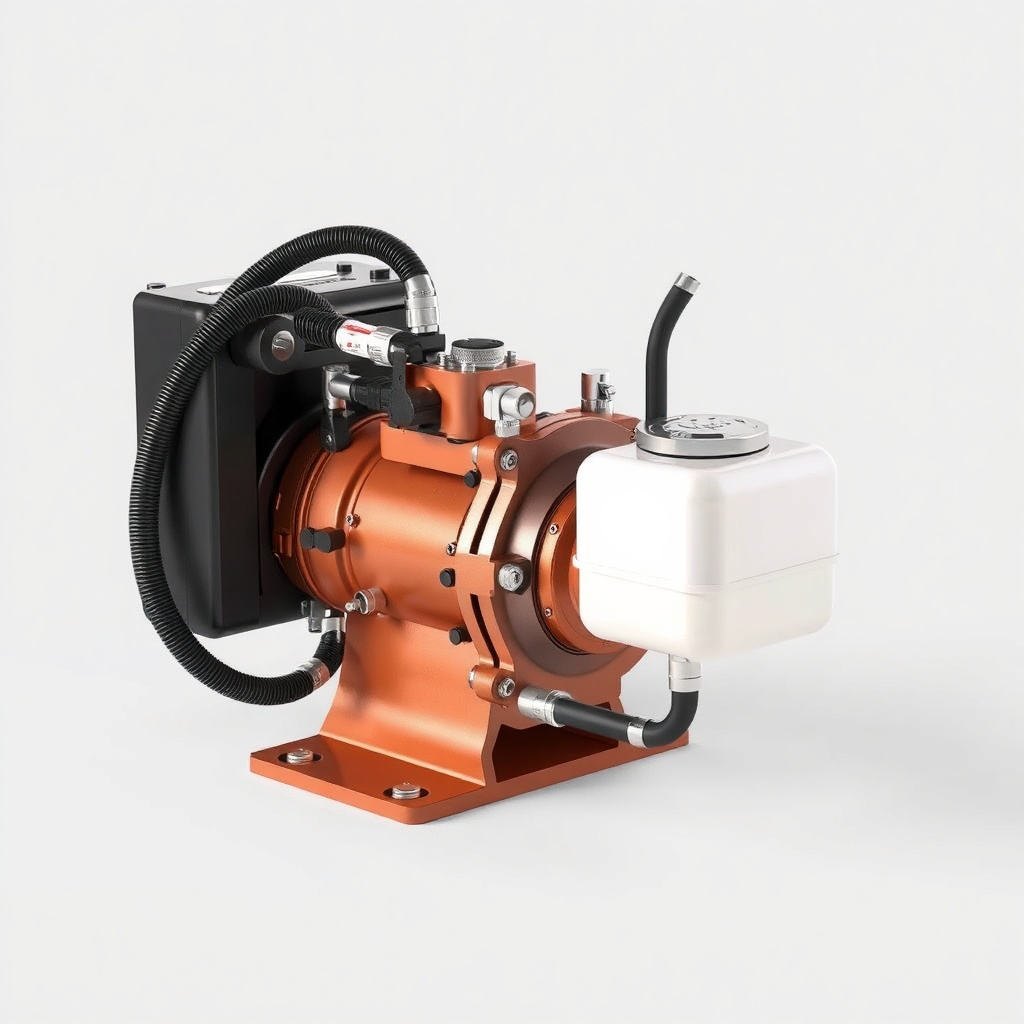
What Are the Key Performance Specifications of the WoodSplitPro?
Performance metrics give a clear picture of what the WoodSplitPro can handle. Below is a table comparing the base model with the upgraded version to illustrate the differences in splitting force, speed, and capacity.
| Specification | Base Model (12 HP) | Upgraded Model (14 HP) |
|---|---|---|
| Splitting Force (tons) | 22 tons | 25 tons |
| Cycle Speed (seconds) | 11 seconds | 9 seconds |
| Hydraulic Pump Flow | 11 GPM | 13.5 GPM |
| Max Log Diameter | 14 inches | 16 inches |
| Max Log Length | 24 inches | 28 inches (with extender) |
| Engine Power | 12 HP (gas) | 14 HP (gas) |
| Reservoir Capacity | 4.5 gallons | 5.5 gallons |
| Weight | 590 lbs | 650 lbs |
| Base Price (USD) | $2,495 | $3,195 |
These specifications make the WoodSplitPro a capable choice for both residential and light commercial use. The upgraded model, in particular, offers a 13.6% increase in force and an 18% reduction in cycle time, which translates into noticeable gains in daily output. For homeowners comparing options, the WoodSplitPro vs WoodMaxx WM-8T comparison provides additional context on how these specs stack up against a key competitor.
How Does the Splitting Wedge Design Affect Performance?
The wedge geometry on the WoodSplitPro is a carefully considered element that directly impacts splitting force efficiency. The standard wedge uses a 60-degree angle with a rounded nose, which reduces friction as it enters the log. This design minimizes the force required to initiate a split, allowing the hydraulic system to work more efficiently. The wedge is made from heat-treated AR400 steel, offering resistance to wear from repeated contact with bark and debris.
For operators dealing with stringy or twisted grain, the optional 4-way wedge can be added. This splits a piece into four quarters in a single cycle, doubling productivity when processing smaller logs. However, it does increase the required force by about 30%, so it is best used with the upgraded hydraulic system. The wedge is mounted on a sliding carriage with bronze bushings that reduce wear and maintain alignment over thousands of cycles. Regular maintenance, such as greasing the bushings every 10 hours of operation, is recommended to preserve performance.
Wedge sharpness is another critical factor. A dull wedge increases cycle time and strain on the hydraulics. The WoodSplitPro design allows for easy field sharpening with a flat file, and replacement wedges are available for around $85. The combination of angle, material, and maintenance-friendly design ensures the machine handles up to 16-inch diameter logs with minimal side-loading on the push plate.
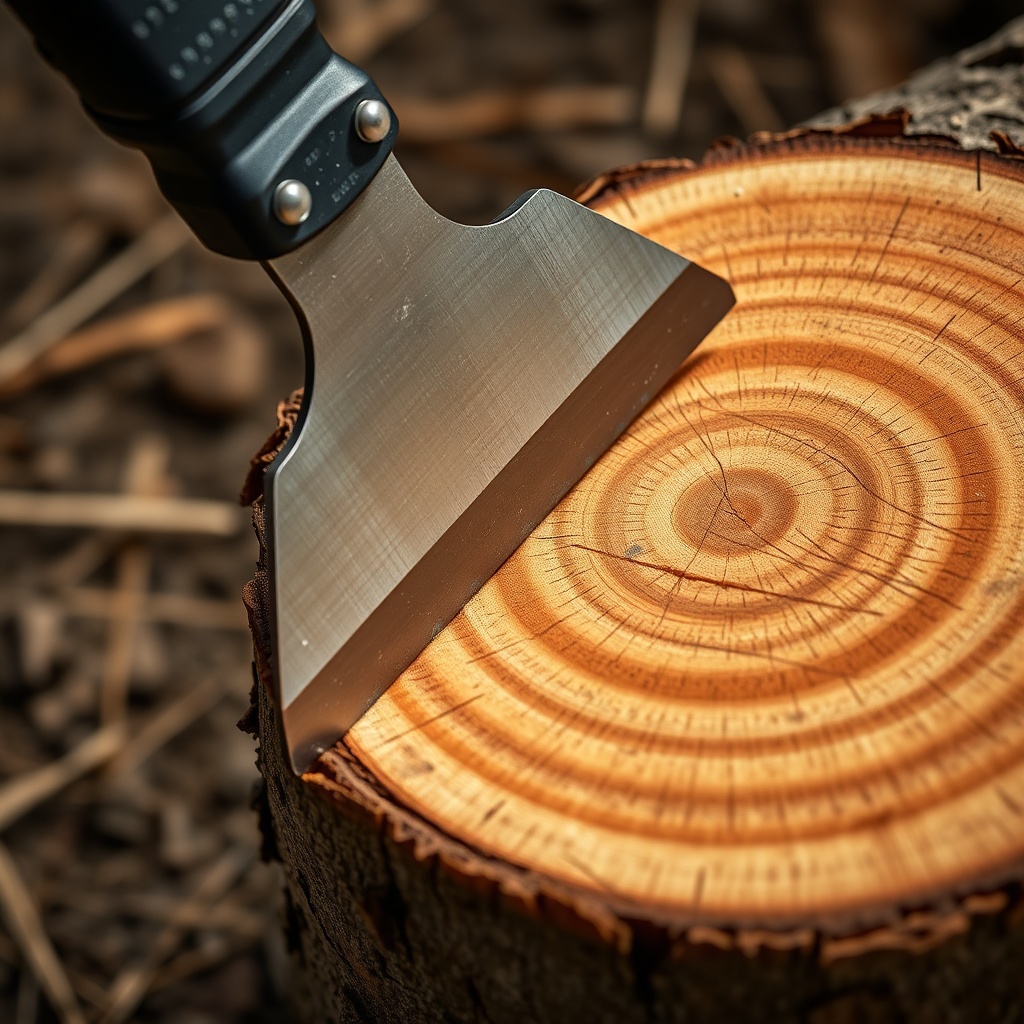
What Role Does the Hydraulic Cooling System Play in Sustained Performance?
Continuous use generates significant heat in hydraulic systems, and the WoodSplitPro incorporates an air-cooled hydraulic oil cooler to manage temperature. Without effective cooling, oil viscosity decreases, leading to reduced pump efficiency and accelerated wear on seals. The cooler is a fin-and-tube design mounted in front of the engine’s cooling fan, ensuring a steady airflow during operation. This setup keeps the oil temperature within the optimal range of 120°F to 140°F, even during hour-long splitting sessions in summer heat.
Field tests show that in ambient temperatures of 90°F, the WoodSplitPro maintains oil temperature below 160°F after 30 minutes of continuous splitting with 14-inch oak logs. This is well within the safe operating range for most hydraulic fluids (typically up to 180°F). The system also includes a high-temperature bypass valve that redirects oil flow if the cooler becomes obstructed, preventing catastrophic failure. For operators in colder climates, the standard 10W-30 hydraulic oil can be swapped for ISO 32 grade to improve cold-weather performance. Upgrading to the Hydraulics Upgrade Kit includes a larger cooler and a 10-psi relief valve adjustment, further enhancing thermal management.
How Does the WoodSplitPro Compare with Competitors in Hydraulics and Performance?
The market includes several competitors that target similar performance levels. The WoodSplitPro holds its own against established names. For instance, the WoodSplitPro vs Timberwolf TW-PRO comparison reveals that while the Timberwolf TW-PRO offers 24 tons of force, it does so with a slower cycle time of 13 seconds. The WoodSplitPro’s faster cycle time at 11 seconds means higher piece-per-minute throughput, though the Timberwolf accepts slightly larger diameter logs up to 18 inches.
When compared to the WoodSplitPro vs Fransgård TC-10, the WoodSplitPro wins on value pricing. The Fransgård TC-10 costs roughly $3,800 USD and delivers 20 tons of force, but its hydraulic system uses a single-stage pump, making it slower with a 14-second cycle time. The WoodSplitPro’s dual-stage pump provides better acceleration at the start of the stroke, offering a tangible performance advantage. Additionally, the WoodSplitPro’s wedge is standard AR400 steel versus the TC-10’s mild steel, which wears faster.
For light commercial operators, the WoodSplitPro vs WoodMaxx WM-8T comparison shows that the WoodMaxx WM-8T generates only 8 tons of force and handles logs up to 8 inches, making it better suited for small residential use. The WoodSplitPro’s hydraulic system is clearly in a higher class, though its price and size may be overkill for occasional users. Overall, the WoodSplitPro’s combination of force, speed, and price positions it as a strong contender for serious firewood producers.
What Do Owners Say About the WoodSplitPro Hydraulics and Performance?
Owner feedback consistently highlights the reliability and power of the hydraulic system. Many users report that the machine easily splits tough white oak and elm that other processors struggle with. One owner from Wisconsin noted, “I’ve split over 20 cords on my WoodSplitPro without any hydraulic issues. It just works every time.” Speed is another common praise point, with several owners mentioning that the auto-cycle feature saves time and reduces operator fatigue.
Some feedback points to the hydraulic system’s cooling as a strength. An owner in Texas commented that even in 100°F weather, the oil stays cool thanks to the fan-mounted cooler. However, a handful of owners mention that the hydraulic hoses could be longer for easier routing when attaching log lifts. Another minor criticism is that the oil filter can be tricky to access for changes. Overall, satisfaction with splitting power is near unanimous, and the upgraded kit is often recommended for those handling larger volumes. The machine’s build quality also receives consistent praise, with owners noting that the frame and hydraulics hold up well after years of service.
Frequently Asked Questions
What hydraulic fluid does the WoodSplitPro use?
WoodSplitPro recommends ISO 32 or AW-32 hydraulic oil for typical operating conditions. For colder climates (below 40°F), a multi-grade 10W-30 hydraulic oil may be used to maintain viscosity. Always check the owner’s manual for the specific model.
Can I use a 4-way wedge on the base model?
Yes, but it will reduce splitting force due to the increased load. The base model’s 22 tons can handle 4-way splitting on logs up to 10 inches in diameter. For larger logs, the upgraded model with 25 tons is recommended to avoid stalling.
How often should I change the hydraulic oil filter?
The filter should be changed every 100 hours of operation or annually, whichever comes first. More frequent changes are advised if splitting green or dirty wood, as debris can clog the filter faster.
Does the WoodSplitPro have a pressure relief valve?
Yes, a factory-set pressure relief valve at 2,800 psi protects the hydraulic system from overpressure. It can be adjusted, but only by a qualified technician, as improper settings may damage components.
What is the warranty on the hydraulic system?
WoodSplitPro offers a two-year limited warranty on the hydraulic pump, cylinder, and valves. The reservoir and hoses are covered for one year. Extended warranties are available through authorized dealers.
How do I bleed air from the hydraulic system after maintenance?
After changing fluid or components, run the engine at idle and cycle the wedge fully through its stroke 10 to 15 times. This will purge air from the system. Check the reservoir level and top off as needed.