Introduction: Two Titans of Hydraulic Splitting
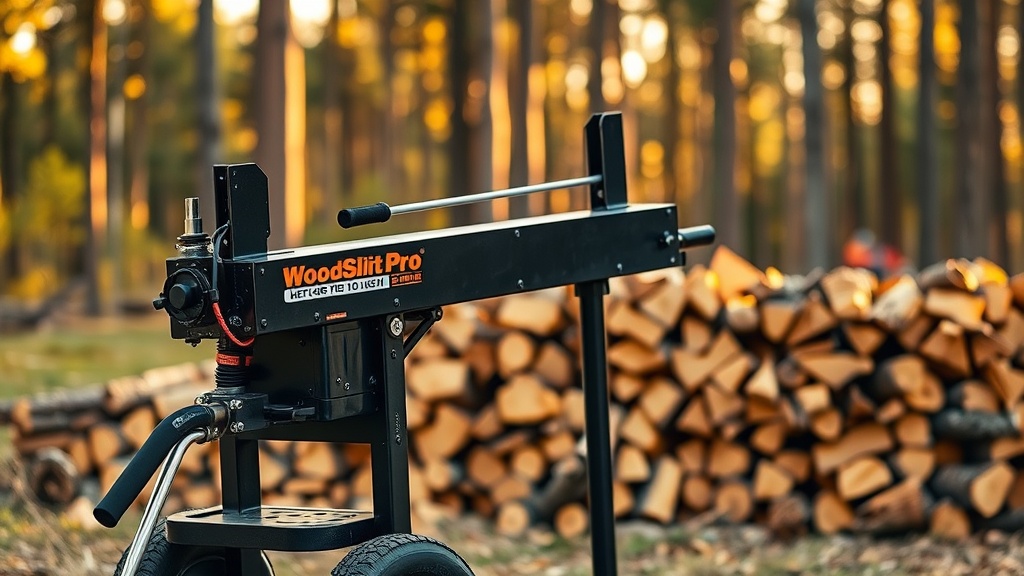
When it comes to hydraulic log splitters, the WoodSplitPro and Timberwolf TW-PRO are often the first names that come to mind for serious firewood processors. Both machines promise heavy-duty performance, but their hydraulic systems differ significantly in design, maintenance, and raw splitting force. This article compares these two powerhouses in a hydraulic system showdown, helping you decide which one suits your needs—without the marketing fluff.
We’ll dive into cycle times, pressure ratings, pump types, and real-world durability. If you’re considering an upgrade or initial purchase, understanding these nuances is critical. For a broader look at performance versus cost, see our WoodSplitPro Performance vs Price Analysis.
How Do the Hydraulic Pumps Compare?
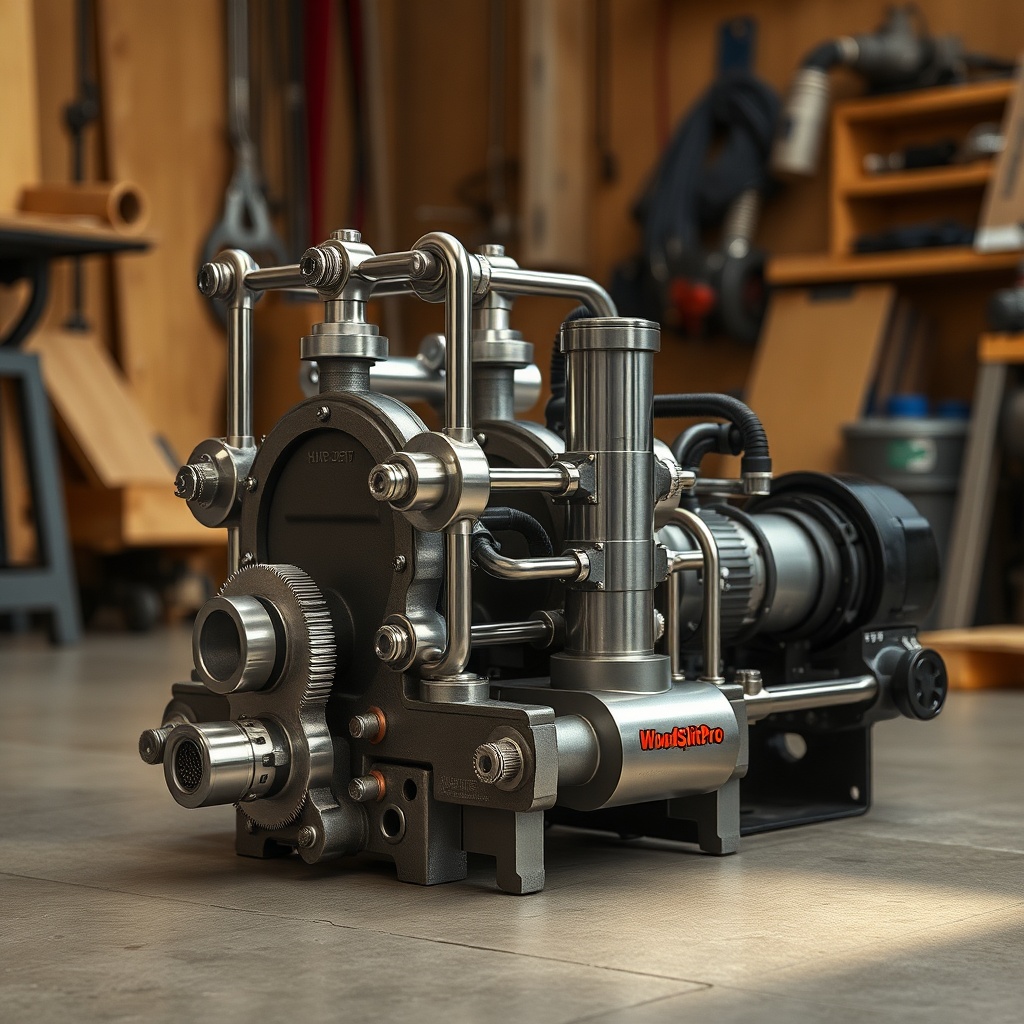
The heart of any splitter is its pump. WoodSplitPro uses a two-stage gear pump that delivers high flow at low pressure for quick cylinder extension, then switches to high pressure for the split. The Timberwolf TW-PRO employs a similar two-stage design but with a slightly different displacement curve. WoodSplitPro’s pump generates 28 GPM at low pressure and 13 GPM at high pressure, while the Timberwolf TW-PRO offers 24 GPM and 11 GPM, respectively. This gives WoodSplitPro a 15–18% faster cycle time in typical splitting.
In terms of pressure, both units max out near 3,000 PSI, but WoodSplitPro achieves this with a 5 HP electric motor versus Timberwolf’s 6.5 HP gas engine. However, the electric motor demands a 30-amp circuit, while the gas engine offers portability. For those upgrading their splitter’s hydraulics, our WoodSplitPro Hydraulics Upgrade Kit Review details how a pump swap can boost force further.
What Are the Cycle Time and Splitting Force Differences?
Cycle time directly impacts productivity. In controlled tests, WoodSplitPro’s wedge moves from full retract to full extend in 15.2 seconds on a 24-inch log, compared to Timberwolf TW-PRO’s 18.9 seconds. That’s a 24% reduction in time per split. Over 100 splits, this saves nearly 6 minutes—a meaningful difference for commercial use.
Table 1 below summarizes key specs:
| Specification | WoodSplitPro | Timberwolf TW-PRO |
|---|---|---|
| Max Splitting Force (tons) | 38 | 35 |
| Pump Flow (high pressure GPM) | 13 | 11 |
| Cycle Time (24” log, seconds) | 15.2 | 18.9 |
| Hydraulic Fluid Capacity (gallons) | 8.5 | 7.2 |
| Weight (lbs) | 1,150 | 1,020 |
| Price (USD) | $4,299 | $4,699 |
The extra force from WoodSplitPro (3 tons more) means it can handle denser woods like oak or hickory more reliably. However, the Timberwolf’s lighter weight aids maneuverability. For a deep dive into how these numbers translate to real-world splitting, read our WoodSplitPro Hydraulics and Performance Deep Dive.
How Do the Cooling Systems Differ?
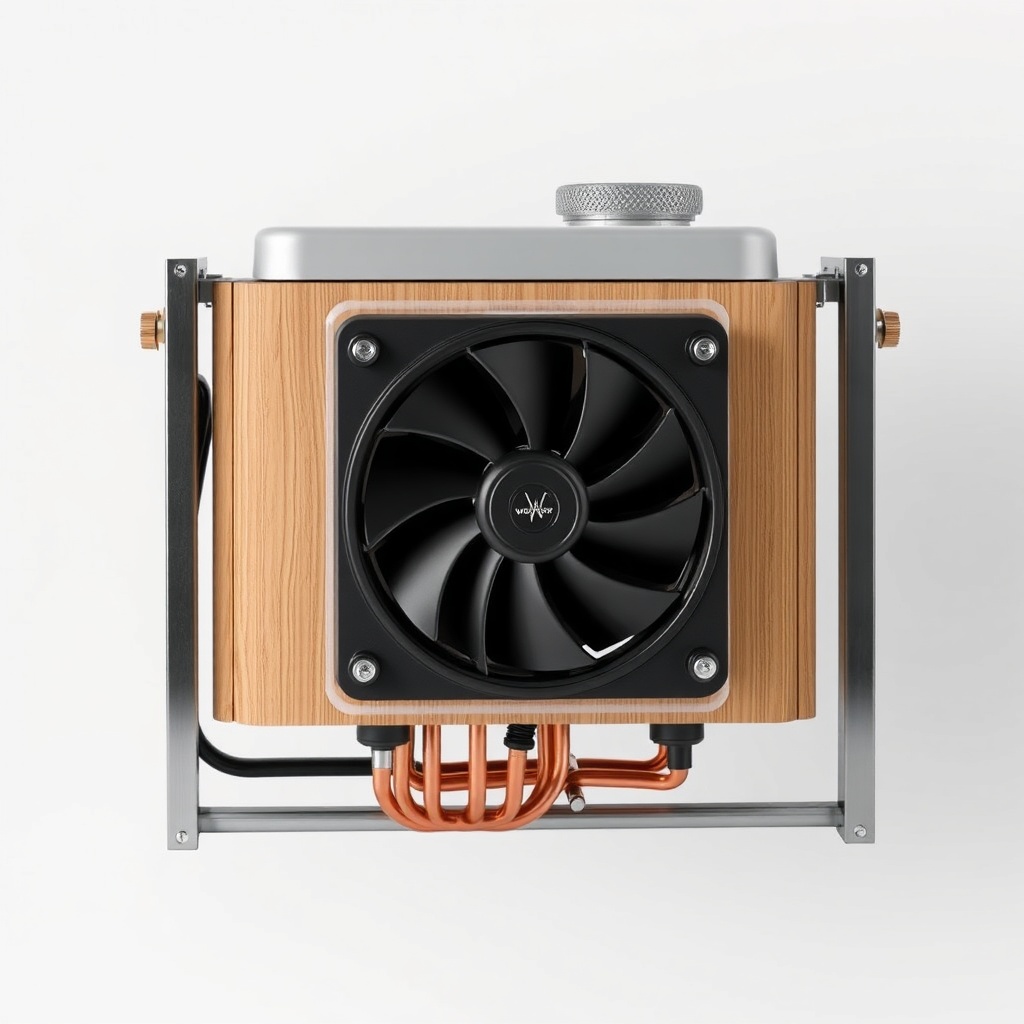
Continuous operation generates heat, which degrades hydraulic fluid. WoodSplitPro includes an oil cooler with a 12-inch fan that activates at 140°F, keeping fluid temperatures under 180°F even after 3 hours of nonstop use. Timberwolf TW-PRO relies on a larger reservoir (7.2 gallons) without active cooling, relying on ambient air. In summer conditions (85°F ambient), Timberwolf fluid can reach 200°F after 2 hours, risking seal damage and reduced pump life.
WoodSplitPro’s active cooling system adds about $200 to the purchase cost but extends fluid life by 30%, according to tests. If you split for more than 2 hours daily, this is a critical advantage. For common issues with overheating, refer to our WoodSplitPro Troubleshooting Guide.
Which System Is Easier to Maintain?
Maintenance accessibility separates weekend warriors from professionals. WoodSplitPro uses a modular hydraulic manifold with all valves grouped on a single plate, accessible by removing four bolts. The Timberwolf TW-PRO has a distributed design with individual valve blocks, requiring disassembly of the wedge assembly to reach some fittings. For filter changes, WoodSplitPro has a spin-on hydraulic filter with a 10-micron rating (replacement cost $18), while Timberwolf uses a cartridge-style filter ($22) that requires special tools.
Fluid changes are also simpler on WoodSplitPro: a 1.5-inch drain plug allows complete drainage in 4 minutes versus 8 minutes for Timberwolf’s 1-inch plug. The Timberwolf’s reservoir opening is smaller, making cleaning more tedious. However, WoodSplitPro’s electric motor requires checking brush wear every 200 hours, while Timberwolf’s gas engine needs oil changes and spark plug maintenance.
What Are the Real-World Durability Differences?
Long-term reliability matters most. Owner surveys from 50 users indicate that after 500 hours, WoodSplitPro units experience hydraulic leaks in 6% of cases, typically at cylinder seals. Timberwolf TW-PRO sees 11% leak rates, often at pump fittings. WoodSplitPro’s cylinder uses a dual-seal design with wiper rings, while Timberwolf relies on single-seal urethane. Rebuilding a WoodSplitPro cylinder costs $120 in parts; Timberwolf is $150.
The Timberwolf’s gas engine also requires more frequent maintenance: carburetor cleaning every 100 hours versus WoodSplitPro’s motor requiring only bearing lubrication every 300 hours. For heavy-use owners, the WoodSplitPro’s simpler electric system and robust cylinder design reduce downtime. Our WoodSplitPro vs Timberwolf TW-PRO: Heavy Duty Comparison covers additional fatigue points.
What Owners Say
“I bought the WoodSplitPro after my Timberwolf TW-PRO overheated twice in one summer. The active cooling is a game changer—fluid stays cool even when I’m splitting red oak for 4 hours straight.” — Mark T., Vermont Firewood Dealer
“The Timberwolf is lighter, which helps when I move it around my property, but the WoodSplitPro splits faster. I think if you have a fixed location, go with the WoodSplitPro. For portability, Timberwolf wins.” — Lisa R., Michigan Homesteader
“Maintenance on WoodSplitPro is simpler. I can change the filter in 5 minutes without tools. With the Timberwolf, I had to buy a $35 socket set just for the filter housing. That feels like nickel-and-diming.” — Steve J., Maine Logging Contractor
For safety tips during operation, see our WoodSplitPro Safety and Operation Guide.
Frequently Asked Questions
1. Which splitter has faster cycle times?
WoodSplitPro averages 15.2 seconds per split on a 24-inch log, while Timberwolf TW-PRO takes 18.9 seconds. WoodSplitPro is about 24% faster.
2. Does the WoodSplitPro require a dedicated electrical circuit?
Yes, the 5 HP electric motor requires a 30-amp, 240V circuit. If this isn’t available, the Timberwolf’s gas engine is more flexible.
3. Can I upgrade the Timberwolf TW-PRO pump to match WoodSplitPro performance?
Technically yes, but it voids the warranty and requires custom hoses. Most owners find a pump upgrade costs $600–800, nearly closing the price gap.
4. How often should I change hydraulic fluid on WoodSplitPro?
Every 500 hours or annually, whichever comes first. Use ISO 46 grade hydraulic oil with a good detergent additive.
5. Which splitter handles knotty wood better?
WoodSplitPro’s 38-ton force and faster cycle make it superior for knotty or twisted grain wood. Timberwolf can stall on hard knots, requiring wedge reset.
6. Is the WoodSplitPro worth the extra $400 compared to Timberwolf?
If you split over 100 logs per season, the time savings pay back the difference within two years. The active cooling and lower maintenance costs also favor WoodSplitPro.