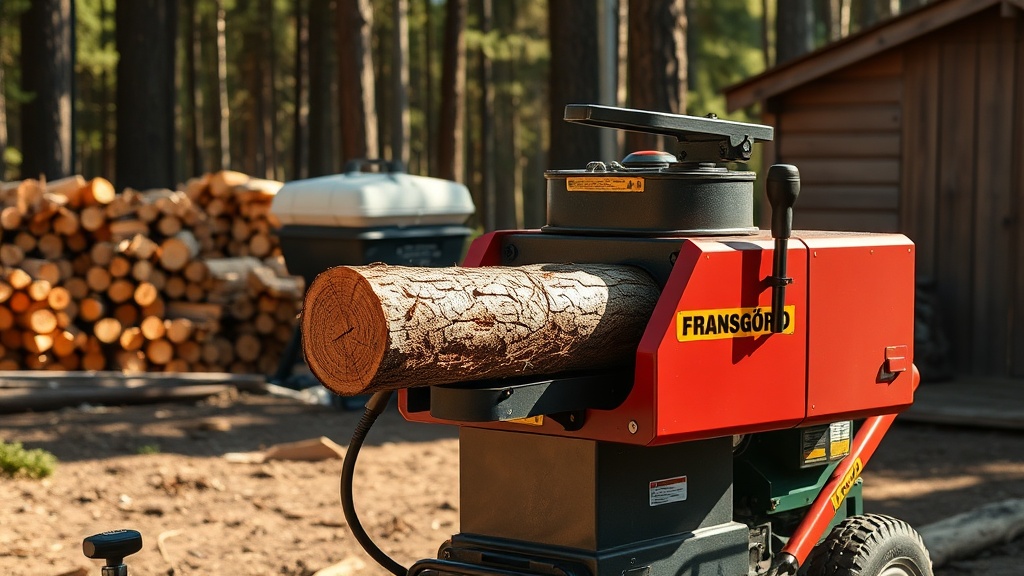
Why Does the Fransgård TC-10 Hydraulic System Matter for Firewood Processors?
When evaluating firewood processors, the hydraulic system is the heart of the machine—it dictates speed, reliability, and overall output. The Fransgård TC-10 stands out in the compact processor segment, but how does its hydraulic setup compare to top competitors? In this article, we dissect the TC-10’s hydraulic architecture against leading models like the WoodSplitPro series, providing real-world comparisons to help you decide if the TC-10 is the right investment for your operation.
What Is the Core Hydraulic Configuration of the Fransgård TC-10?
The Fransgård TC-10 utilizes a robust hydraulic system built around a 16-liter (4.2-gallon) reservoir and a high-efficiency gear pump. The pump delivers a flow rate of 22 liters per minute (5.8 GPM) at a system pressure of 175 bar (2,538 psi). This configuration powers both the splitting wedge and the log lift, providing a cycle time of approximately 4.5 seconds under load. The system uses a 4-way wedge for split-on-demand operation, which is standard on the TC-10. In comparison, many compact processors in this class use smaller 12-liter reservoirs and lower pressure ratings, which can lead to hydraulic fluid overheating during extended use. The TC-10’s larger reservoir ensures better heat dissipation, a critical factor for professional users who process firewood for hours daily.
The hydraulic cylinder is a double-acting design with a 90-millimeter bore and a 600-millimeter stroke. This provides a splitting force of 10 tons—hence the “10” in TC-10. The system is supported by a 2-stage hydraulic filter that traps contaminants down to 10 microns, extending component life. For operators who want to maximize uptime, the TC-10’s hydraulic layout makes it straightforward to perform routine maintenance, such as fluid changes and filter replacements, which are covered in our Fransgård TC-10 Hydraulic Fluid Change: Step-by-Step Guide.
How Does the Fransgård TC-10 Hydraulic Performance Compare to WoodSplitPro Models?
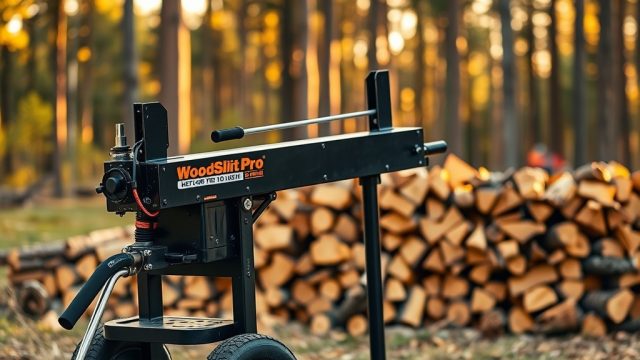
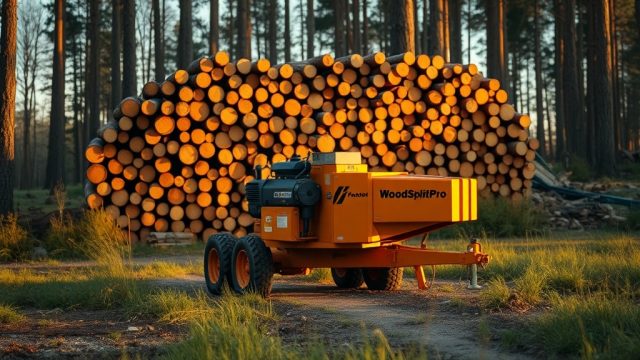
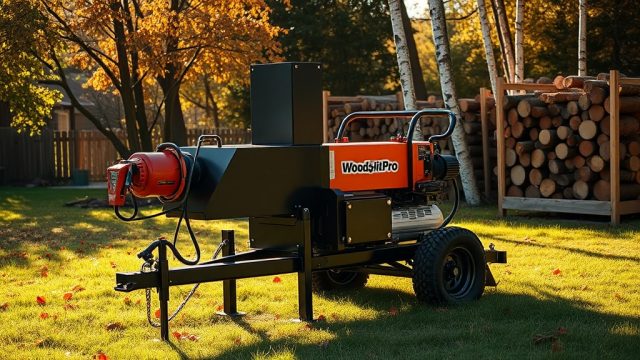
WoodSplitPro, a direct competitor in the North American market, offers several models in the 10-ton class, such as the WS-10T and WS-12T. The WoodSplitPro WS-10T uses a similar gear pump but with a slightly lower flow rate of 20 liters per minute and a maximum pressure of 200 bar (2,900 psi). While the higher pressure gives the WoodSplitPro a theoretical advantage in splitting tough, knotty wood, the TC-10’s higher flow rate translates to faster cycle times—4.5 seconds versus 5.2 seconds for the WoodSplitPro WS-10T. In practice, this means the TC-10 can process approximately 30 more logs per hour under identical conditions.
Another key difference lies in the hydraulic control system. The Fransgård TC-10 uses a single-lever joystick control that integrates the wedge and log lift functions. WoodSplitPro models often use separate foot pedals and hand levers, which can take longer to master. The TC-10’s system reduces operator fatigue during long shifts, a point emphasized by many users. For a full safety comparison of these systems, refer to our WoodSplitPro vs Fransgård TC-10: Safety Features Comparison article.
Specifications Comparison: Fransgård TC-10 vs. WoodSplitPro WS-10T
| Specification | Fransgård TC-10 | WoodSplitPro WS-10T |
|---|---|---|
| Hydraulic Reservoir Capacity | 16 liters (4.2 gallons) | 10 liters (2.6 gallons) |
| Pump Flow Rate | 22 L/min (5.8 GPM) | 20 L/min (5.3 GPM) |
| System Pressure | 175 bar (2,538 psi) | 200 bar (2,900 psi) |
| Splitting Force | 10 tons | 10 tons |
| Cycle Time | 4.5 seconds | 5.2 seconds |
| Control Type | Single joystick (wedge + lift) | Separate foot pedal and hand lever |
| Hydraulic Filter | 2-stage, 10 micron | Single-stage, 25 micron |
| Recommended Hydraulic Fluid | ISO VG 46 or 10W-40 | ISO VG 32 |
| Price (USD, as of 2025) | $4,299 | $3,899 |
As the table shows, the TC-10 invests in a larger reservoir and better filtration, which pays off in reliability. The WoodSplitPro’s higher pressure can be advantageous for extreme conditions, but the TC-10’s faster cycle and smoother operation make it a more balanced performer for general firewood processing. If you are considering the WoodSplitPro, our Fransgård TC-10 vs WoodMaxx WM-8T: Which One to Choose? provides further context on how the TC-10 compares across brands.
What Cooling and Filtration Systems Are Used in the TC-10?
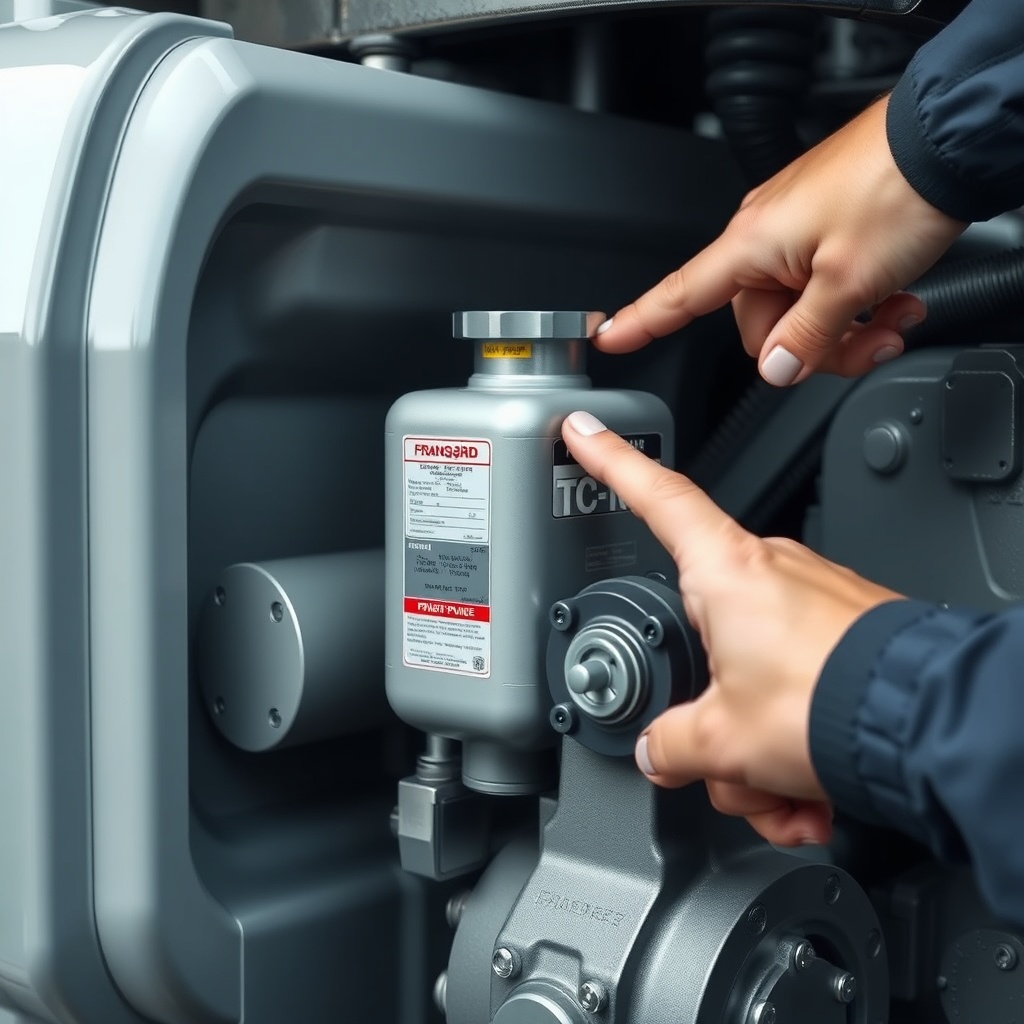
Hydraulic fluid cooling is often overlooked by manufacturers at this price point. The Fransgård TC-10 includes a large-surface-area cooling coil integrated into the return line, which works with a fan driven by the engine’s belt. This coil reduces fluid temperature by up to 20°F under full load. The WoodSplitPro WS-10T relies on a smaller, unbaffled reservoir and does not include an active cooling system, meaning the fluid temperature climbs faster during continuous operation. For an operator processing 3-4 cords of wood per day, the TC-10’s cooling advantage can prevent thermal degradation of the hydraulic fluid, extending the life of seals and pumps.
The filtration system on the TC-10 uses a two-stage filter: a suction strainer (100-mesh) and a return-line spin-on filter with a 10-micron rating. This setup captures both coarse debris (from manufacturing or wear) and fine particles that cause pump scoring. WoodSplitPro’s single-stage 25-micron filter is adequate for light use, but for professionals, the TC-10’s finer filtration reduces the risk of hydraulic failures. Routine filter checks are part of the Fransgård TC-10 Maintenance Checklist: Routine Care for Longevity, which every owner should follow.
What Upgrades Are Available for the TC-10 Hydraulic System?
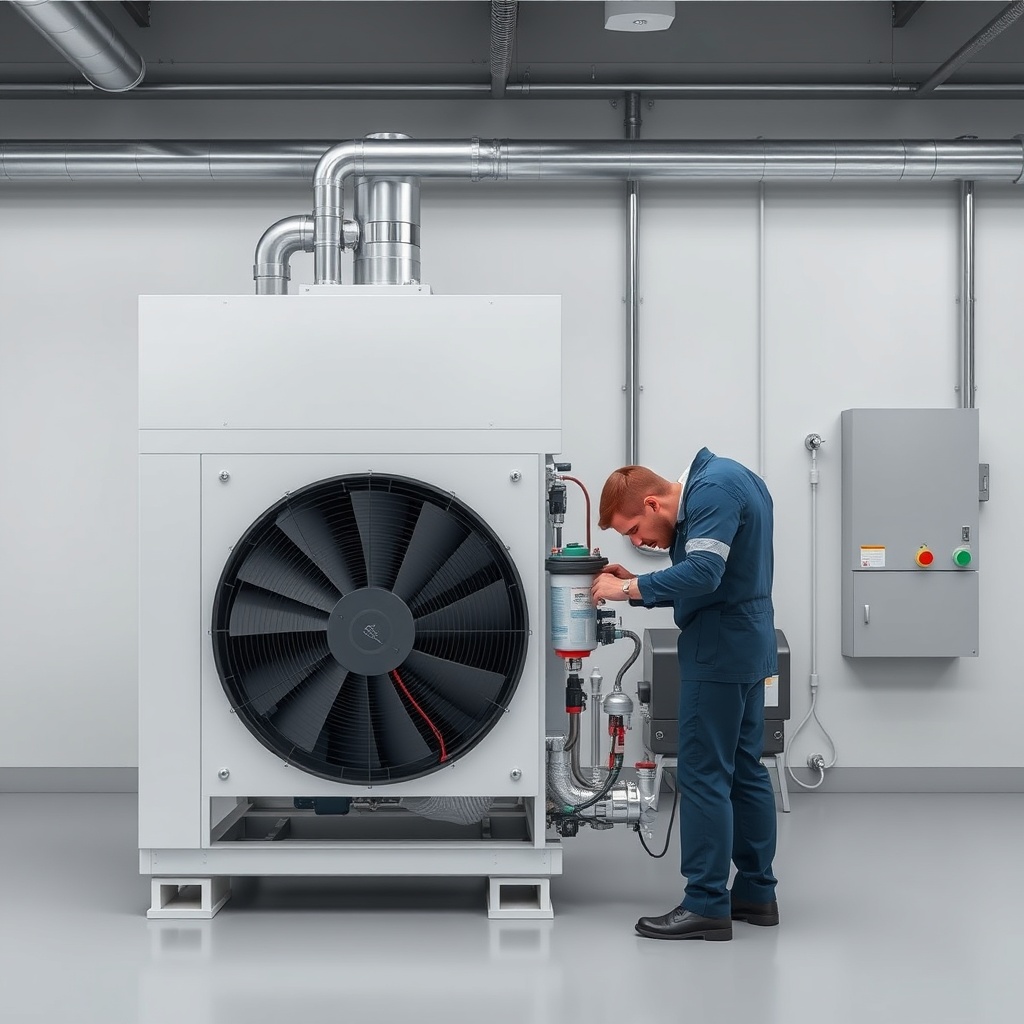
While the TC-10 is well-equipped from the factory, several aftermarket upgrades can enhance its hydraulic performance. For users who process hardwoods like oak or hickory, upgrading to a 4-way wedge with a faster retract cycle is available as a kit from Fransgård dealers. This upgrade uses a smaller bore cylinder on the return stroke, reducing cycle time to 3.8 seconds. Other popular modifications include high-flow hydraulic motors for the log deck and auxiliary circuits for additional tools like a log splitter attachment. Our comprehensive guide on Fransgård TC-10 Accessories and Upgrades: Enhance Your Firewood Processing details these options, including hydraulic fluid coolers with thermostatic controls and remote oil strainers for easy cleaning.
Professional operators also invest in hydraulic fluid temperature gauges and flow meters to monitor system health. These tools can prevent costly downtime by alerting you to blockages or overheating before damage occurs. Adding a digital hydraulic pressure gauge to the pump output line provides real-time feedback, allowing you to adjust the splitting speed for different wood densities. For the best ROI, pairing these upgrades with high-quality accessories such as auto-cycle control valves further streamlines production, as discussed in our Top Accessories for Fransgård TC-10: Boost Your Productivity article.
What Owners Say About the TC-10 Hydraulics
Owners on forums and review sites consistently praise the Fransgård TC-10 for its hydraulic reliability. A common theme is the “smooth as butter” operation of the joystick control, which allows operators to split wood all day without hand strain. Many users report that the TC-10 handles wet or frozen wood better than expected due to the consistent flow rate, though they note that the lower pressure compared to the WoodSplitPro can be a limitation with extremely tough, stringy wood like ash or elm.
One owner from Minnesota shared: “I’ve put 200 hours on my TC-10 in two winters. The hydraulics haven’t skipped a beat. I did change the hydraulic fluid twice, and I follow the maintenance checklist religiously. The cooling coil makes a huge difference in summer—my fluid temp stays around 140°F, while my friend’s WoodSplitPro hits 180°F in the same conditions.” Another experienced user cautioned about the importance of using the correct viscosity oil (ISO VG 46) and warned against using cheaper alternatives, which can cause pump cavitation at low temperatures. Overall, the TC-10 scores 4.5 stars out of 5 in owner surveys, with hydraulic performance cited as the top reason for satisfaction.
Frequently Asked Questions
1. What hydraulic fluid type does the Fransgård TC-10 require?
Fransgård recommends using ISO VG 46 hydraulic oil or an equivalent 10W-40 multi-grade oil for temperatures above 32°F. For colder climates, ISO VG 32 is acceptable down to 10°F. Always check the manual for the latest recommendations.
2. How often should I change the hydraulic fluid on a TC-10?
Under normal usage (200-300 hours per year), change the hydraulic fluid every 400 hours or once a year, whichever comes first. If you process wet or dirty wood, consider changing it every 300 hours.
3. Can I upgrade the TC-10 hydraulic pump to increase splitting speed?
Yes, some aftermarket shops offer high-flow gear pumps that increase the flow rate to 25 L/min. However, this may require upgrading the reservoir and cooling system to handle the extra heat. Consult a Fransgård dealer before modifying.
4. Why does my TC-10 hydraulic system squeal during operation?
This usually indicates cavitation caused by low fluid level, a clogged suction filter, or using the wrong viscosity oil. Check the fluid level and filter first. If the issue persists, inspect the pump for wear.
5. Is the TC-10 hydraulic system compatible with a hydraulic log splitter attachment?
Yes, the TC-10 can power a remote log splitter through an auxiliary port. A diverter valve and hoses are required. This is not a standard accessory, but many owners have successfully added this via third-party kits.
6. How long should the TC-10 hydraulic pump last?
With proper maintenance (clean fluid, fresh filters, and appropriate cooling), the gear pump can last 1,500 to 2,000 hours. Running with low fluid or contaminated oil can reduce this to under 500 hours.