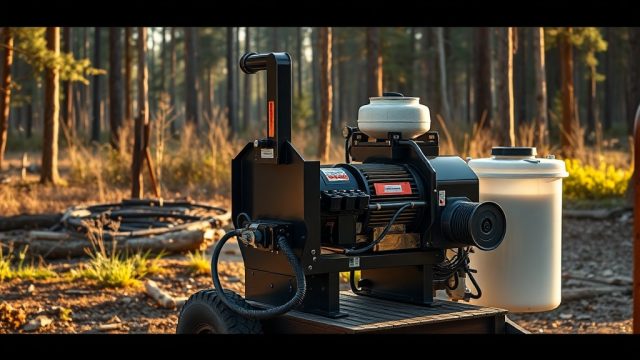
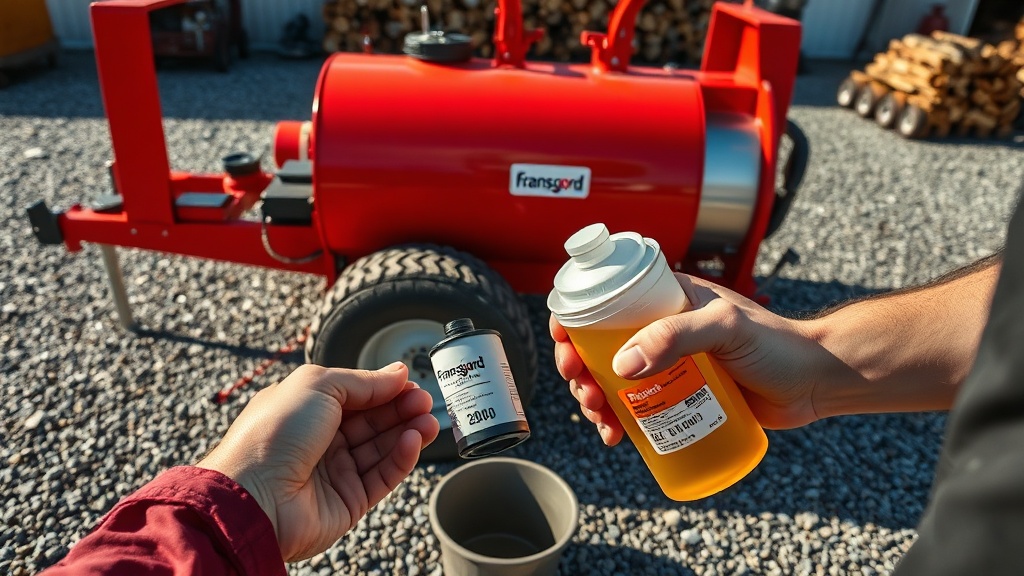
Why Regular Hydraulic Fluid Changes Matter for the Fransgård TC-10
Maintaining clean hydraulic fluid in your Fransgård TC-10 firewood processor is essential for consistent performance and machine longevity. Over time, hydraulic oil degrades, accumulates contaminants, and loses its lubricating properties, which can lead to costly repairs and downtime. This step-by-step guide will walk you through the process of changing the hydraulic fluid on the TC-10, ensuring your machine operates at peak efficiency.
The Fransgård TC-10 is a robust entry-level processor designed for small-scale firewood production. Its hydraulic system powers the splitting wedge, log lift, and chain drive, making fluid quality critical for smooth operation. Neglecting fluid changes can accelerate wear on pumps, valves, and cylinders, which is why many operators consult our Fransgård TC-10 Maintenance Checklist for routine care.
What Type of Hydraulic Fluid Does the Fransgård TC-10 Require?
The TC-10 uses standard ISO VG 32 or ISO VG 46 hydraulic oil depending on your climate and operating conditions. For most temperate regions, ISO VG 46 is recommended because it provides better viscosity at higher temperatures during prolonged use. In colder climates (below 5°C), ISO VG 32 ensures easier cold starts and improved flow.
Always use high-quality, anti-wear hydraulic fluid that meets DIN 51524 specifications. Avoid mixing different brands or viscosities. The total system capacity for the TC-10 is approximately 12 liters (including the reservoir and lines). For precise recommendations, check your operator’s manual or refer to our Fransgård TC-10 Hydraulics and Performance analysis for deeper technical insights.
| Fluid Type | ISO Viscosity | Operating Temperature Range | Approximate Cost per Liter (EUR) |
|---|---|---|---|
| Mineral-based anti-wear | ISO VG 46 | -10°C to 50°C | €4.50 – €6.00 |
| Mineral-based anti-wear | ISO VG 32 | -20°C to 35°C | €4.00 – €5.50 |
| Synthetic multi-grade | ISO VG 32/46 | -20°C to 60°C | €7.00 – €9.00 |
What Tools and Supplies Do You Need for the Fluid Change?
Before beginning, gather the following tools and materials. Having everything ready will save time and prevent mistakes.
- New hydraulic fluid – 12 liters of the appropriate ISO VG oil (see table above)
- Drain pan – Minimum 15-liter capacity
- Wrenches – 17 mm and 19 mm combination wrenches for drain and fill plugs
- Oil filter wrench – For removing the external spin-on filter (if applicable)
- New hydraulic filter – OEM replacement or equivalent (check part number in manual)
- Funnel and clean rags – To avoid spills and contamination
- Safety glasses and gloves – Hydraulic oil can irritate skin and eyes
- Operating manual – For exact plug locations and torque specs
If you are unsure about the filter location or type, our Fransgård TC-10 Troubleshooting guide covers common parts that may need inspection.
How to Change the Hydraulic Fluid on a Fransgård TC-10: Step-by-Step
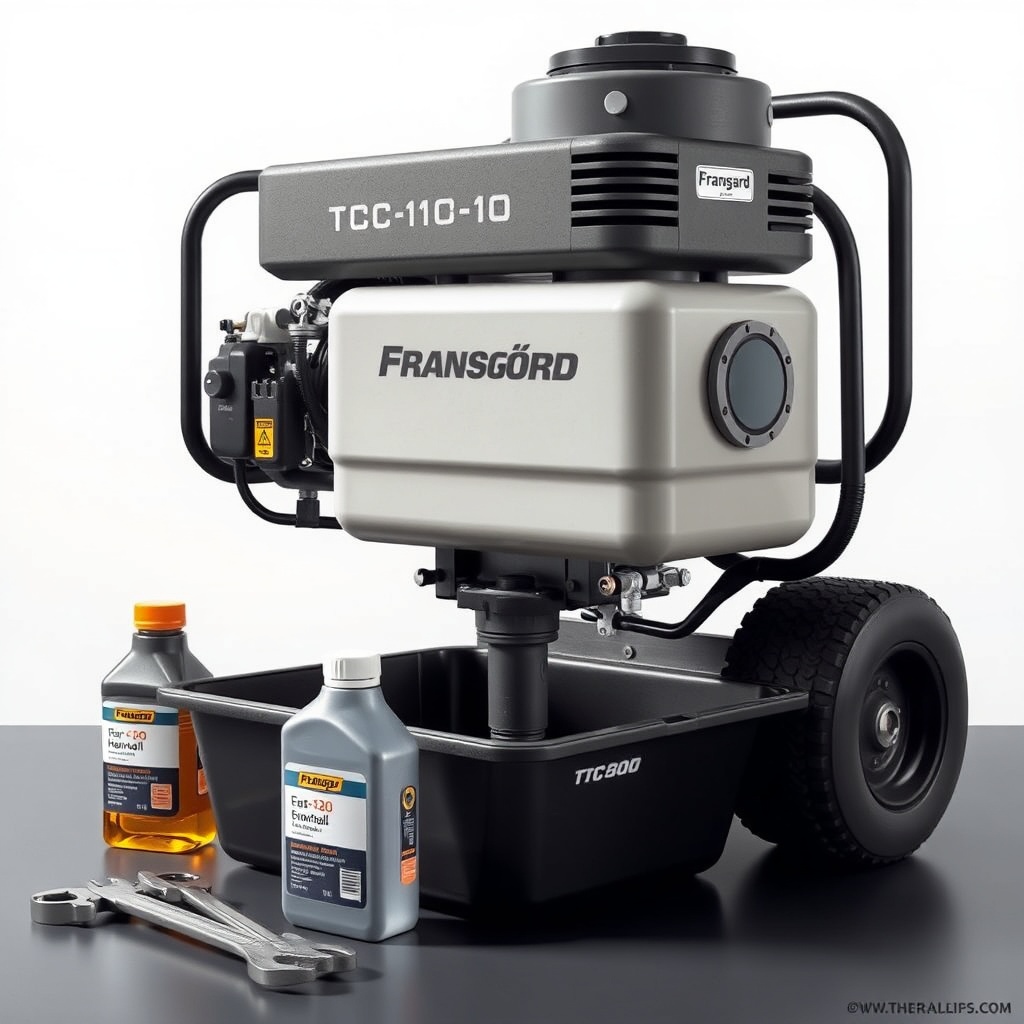
Step 1: Prepare the Machine
Park the TC-10 on level ground and disengage all hydraulics. Allow the fluid to cool to below 30°C to avoid burns. Place the drain pan under the hydraulic reservoir’s drain plug, which is located at the lowest point on the underside of the machine. Engines and hydraulic systems should be off.
Step 2: Drain the Old Fluid
Using a 17 mm wrench, remove the drain plug slowly. Allow the fluid to drain completely—this may take 10–15 minutes. Inspect the old oil for metallic particles or water contamination. A milky appearance indicates moisture, which may require a system flush. Dispose of the used oil according to local regulations.
Step 3: Replace the Hydraulic Filter
While the system is draining, locate the external spin-on hydraulic filter (usually near the reservoir base). Use an oil filter wrench to unscrew it counterclockwise. Before installing the new filter, lightly lubricate the rubber gasket with fresh oil. Hand-tighten the filter until snug, then give it a quarter turn with the wrench.
Step 4: Reinstall the Drain Plug and Refill
Clean the drain plug threads and reinstall it using a torque of 25 Nm (check your manual). Refill the reservoir with fresh fluid through the top fill port using a funnel. Add approximately 10 liters initially, then start the engine (or power unit) and let it run at low idle for 30 seconds. Check the level using the sight glass or dipstick—add more fluid until it reaches the “Full” mark.
Step 5: Bleed Air from the System
Cycle the hydraulic functions (wedge, lift, chain) slowly several times to purge trapped air. Watch for frothy fluid in the reservoir, which indicates air. If present, let the system run for 5–10 minutes at idle until bubbles settle. Top off fluid if necessary.
Step 6: Final Check
Inspect all fittings for leaks and verify the fluid level with the machine fully lowered. Record the change in your maintenance log. For a full list of periodic tasks, see our Fransgård TC-10 Maintenance Checklist.
What Are Common Mistakes to Avoid During a Fluid Change?
Several errors can compromise the fluid change or damage the TC-10. The most frequent ones include:
- Using the wrong viscosity oil – This can cause sluggish operation or overheating. Stick to manufacturer recommendations.
- Overfilling the reservoir – Too much fluid increases pressure and can cause seal leaks. Always check level after cycling.
- Skipping the filter change – A dirty filter can restrict flow and contaminate new oil. Replace it every time.
- Not bleeding air properly – Air in the system leads to erratic cylinder movement and potential pump damage. Cycle functions thoroughly.
- Mixing old and new fluids – Always drain completely before adding fresh oil. Incompatible additives can form sludge.
If you encounter performance issues after the change, refer to our Fransgård TC-10 Safety and Operation guide for tips on smooth operation.
What Are the Signs That Your TC-10 Needs a Fluid Change?
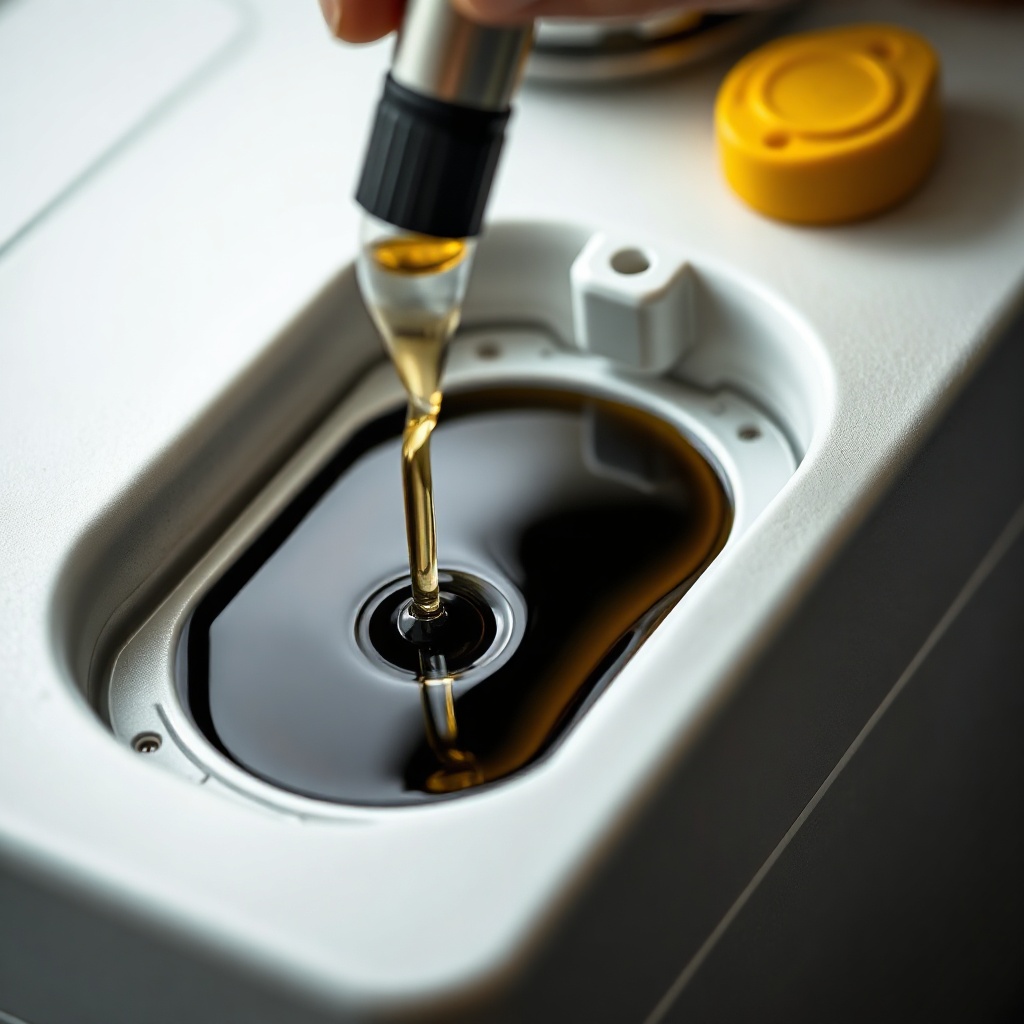
Recognizing early warning signs can prevent major failures. Look for these indicators:
- Discolored oil – Fresh hydraulic fluid is amber or clear. Dark brown or black oil indicates overheating or contamination.
- Milkiness – A cloudy or milky appearance suggests water intrusion, often from condensation or a damaged seal.
- Burning smell – Overheated fluid breaks down and emits a noticeable odor.
- Erratic splitting or sluggish movement – Contaminated oil reduces hydraulic efficiency.
- Increased noise – Whining pumps or clattering cylinders often result from thick or dirty oil.
As a rule, change the fluid every 300–500 operating hours or annually, whichever comes first. Seasonal operators should replace it at the start of each firewood season. Pairing this with proper Top Accessories for Fransgård TC-10 like fluid sampling kits can help monitor condition.
What Owners Say About Hydraulic Maintenance on the Fransgård TC-10
Many TC-10 owners emphasize that the hydraulic fluid change is a straightforward job that can be completed in under an hour with basic tools. Feedback from online forums and dealer reviews highlights a few common themes:
- “The biggest tip is to run the machine for 30 minutes before draining to loosen debris.” – This practice allows suspended particles to settle, but some owners caution against doing it if the fluid is very hot.
- “The drain plug can be tight, but a 17 mm socket with a breaker bar helps.” – Using the correct tool size is crucial to avoid stripping the plug.
- “I switched to synthetic fluid and noticed smoother operation in cold weather.” – Synthetic options cost more but offer better viscosity stability.
- “Always replace the filter—even if it looks clean.” – Internal filter media can be saturated with microscopic debris.
Overall, owners recommend sticking to a strict schedule and using genuine filters. For those who want to upgrade their machine further, explore Top Accessories for Fransgård TC-10: Boost Your Productivity to see add-ons like hydraulic oil coolers or quick-change filter heads.
Frequently Asked Questions
How often should I change the hydraulic fluid on my Fransgård TC-10?
Fransgård recommends changing the fluid every 300–500 operating hours or at least once per year. If you process a lot of hardwoods or work in dusty conditions, aim for the shorter interval.
Can I use automatic transmission fluid (ATF) instead of hydraulic oil?
No. ATF lacks the anti-wear additives and viscosity requirements for the TC-10’s hydraulic system. Always use a dedicated hydraulic oil meeting DIN 51524.
What is the cost of a full hydraulic fluid change on the TC-10?
Expect to spend approximately €55–€75 for 12 liters of quality mineral hydraulic oil plus €10–€20 for a genuine filter. Total material cost is about €65–€95. Labor is not needed if you DIY.
How do I check the hydraulic fluid level on the TC-10?
With the machine fully lowered and off, remove the top fill cap or check the sight glass on the reservoir. The fluid should be between the minimum and maximum marks. For accurate readings, always check on a cold system.
What should I do if I see metal particles in the old hydraulic oil?
Metallic particles indicate internal wear. Drain the fluid, replace the filter, and flush the system with clean oil before refilling. Contact a Fransgård dealer for inspection of pumps and cylinders.
Can I extend the fluid change interval with a premium synthetic oil?
Synthetic oils may last longer (up to 600 hours) but still require monitoring. Always follow the manufacturer’s guidelines. Using synthetic oil does not eliminate the need for periodic filter changes.