Understanding the Hydraulic Heart of the WoodSplitPro
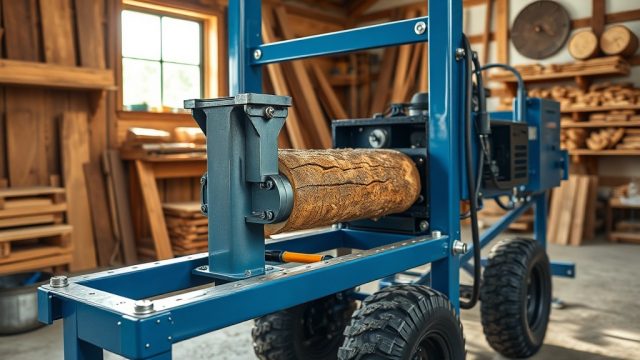
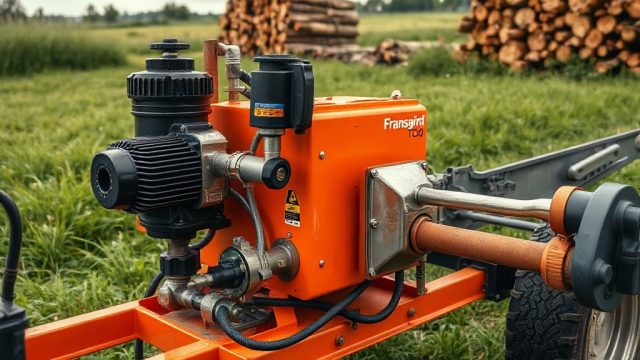
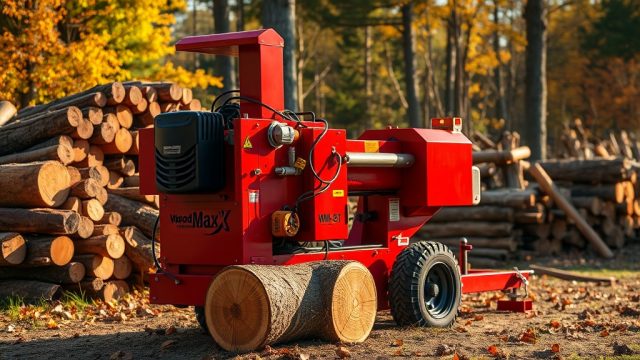
The WoodSplitPro has carved out a reputation among professional firewood processors, and for good reason. Its hydraulic system is the central nervous system of the entire machine, dictating everything from splitting force to cycle speed. This analysis breaks down the technical specs and real-world performance metrics that matter most to operators who demand reliability and throughput. Whether preparing for a busy season or evaluating a purchase, understanding these hydraulics separates informed buyers from those who learn the hard way.
What Is the Rated Splitting Force and How Is It Achieved?
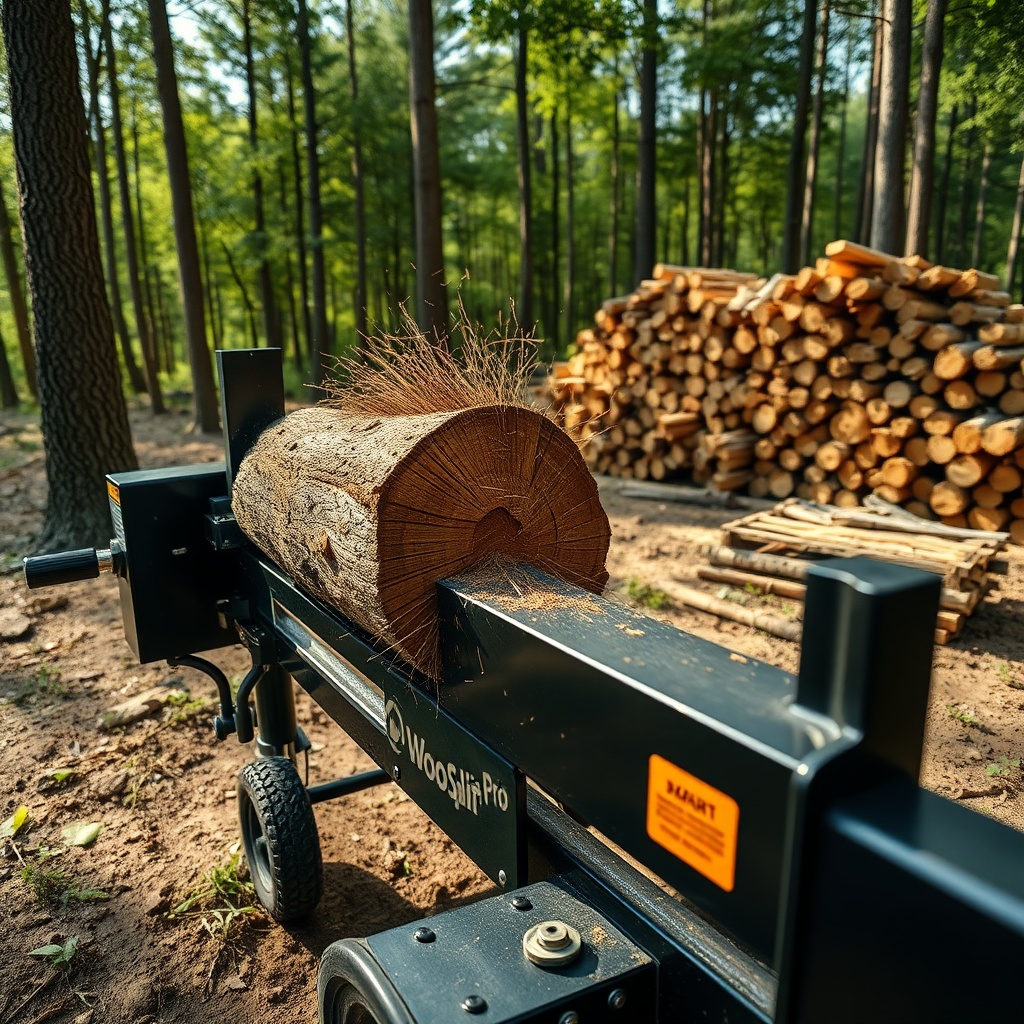
The WoodSplitPro’s primary splitting force is rated at 28 tons (56,000 lbf) on its standard wedge configuration. This is achieved through a dual-stage hydraulic pump that delivers 16 gallons per minute (GPM) at 2,500 PSI. The pump is driven by a 24 horsepower Kohler gasoline engine, though diesel options are available for commercial fleets.
Hydraulic force is calculated as pressure (PSI) multiplied by the piston area. With a 5-inch bore cylinder, the theoretical force at 2,500 PSI equals roughly 49,087 pounds. The manufacturer’s 28-ton rating includes a safety derating factor of approximately 10%, which accounts for line losses and real-world efficiency drop. This conservative approach ensures the machine can split white oak, hickory, and elm without stalling even when the operator pushes the wedge into knotty sections.
For comparison, competitors at the same price point often rate their machines at 25–26 tons, making the WoodSplitPro one of the more powerful units in its class. The WoodSplitPro Hydraulics and Performance: A Deep Dive into Splitting Force and Speed dives deeper into the specific pump curves and force delivery across the stroke length.
How Does the Cycle Speed Perform Under Load?
Cycle speed is often more important to production than raw force. The WoodSplitPro offers an auto-cycle wedge that returns after splitting and then halts. In standard mode, the wedge advances at 8 inches per second and retracts at 12 inches per second. For logs up to 24 inches in length, the complete split and return cycle takes approximately 4.5 seconds. This translates to nearly 800 splits per hour under ideal conditions.
Under heavy load—such as splitting dense, stringy eucalyptus or frozen ash—the pump compensates by upshifting to a higher pressure but lower flow regime. The wedge speed drops to around 4 inches per second, but the splitting force increases by up to 5 tons. This is achieved via a pressure-compensated pump design, which prioritizes force over speed when resistance is encountered. The table below compares cycle times across common log lengths and species.
| Log Length (inches) | Wood Type (Green) | Advance Time (seconds) | Retract Time (seconds) | Total Cycle (seconds) |
|---|---|---|---|---|
| 18 | Pine | 2.2 | 1.5 | 3.7 |
| 24 | Oak | 3.0 | 2.0 | 5.0 |
| 24 | Hickory | 3.5 | 2.0 | 5.5 |
| 30 | Osage Orange | 5.0 | 2.5 | 7.5 |
These figures assume a fully extended cylinder with no pre-splitting. Users who break larger rounds into halves before processing can reduce these times by up to 20%. The WoodSplitPro Performance vs Price: Is It Worth the Investment? article provides cost-per-split calculations based on these speeds.
What Fluid and Filtration System Keeps Performance Consistent?
The hydraulic system relies on a 10-micron spin-on return filter and a 4-micron suction strainer. These are critical for maintaining consistent pressure and preventing cylinder scoring. The reservoir holds 15 gallons of AW-32 hydraulic fluid, though many operators in colder climates switch to AW-46 for better viscosity in sub-freezing temperatures.
An internal baffling system within the tank reduces foaming and oil churning, which can degrade system efficiency by up to 15% in poorly designed processors. The WoodSplitPro also features a remote-mounted breather that prevents dust ingress—a common weak point on lesser machines. Regular filter changes every 100 hours are recommended, and the WoodSplitPro Troubleshooting: Common Issues and Fixes guide addresses fluid starvation and air entrainment problems that arise from neglected filtration.
It is worth noting that the system uses a closed-center valve spool with a load-sensing circuit. This design reduces deadheading power loss and extends engine life. Compared to open-center systems found on economy processors, the WoodSplitPro wastes less fluid and heat during idle cycles.
How Does the Hydraulic System Compare to the Timberwolf TW-PRO?
The Timberwolf TW-PRO is the WoodSplitPro’s most direct competitor in the pro-grade vertical processor market. While both machines share a 28-ton rating, the Timberwolf achieves this at a higher PSI (2,800) but lower flow (14 GPM). This gives the WoodSplitPro an edge in cycle speed on smaller logs, while the Timberwolf has a slight advantage on the toughest knots due to its higher operating pressure.
Another key difference is cylinder diameter: the WoodSplitPro uses a 5-inch bore, while the Timberwolf uses a 4.5-inch bore. The larger surface area of the WoodSplitPro’s cylinder allows it to generate comparable force at lower pressure, which translates to less heat buildup in the reservoir. Operators in continuous production environments report that the WoodSplitPro runs cooler by about 10–15°F after four hours of use. For a complete head-to-head on the hydraulic systems, see the WoodSplitPro vs Timberwolf TW-PRO: Hydraulic System Comparison.
The Timberwolf also uses a gear pump while the WoodSplitPro employs a piston pump. Piston pumps are generally more efficient (92% vs. 85–88%) and last longer under high-cycle applications, but they are also more expensive to replace. This contributes to the WoodSplitPro’s higher initial purchase price of $8,495 USD compared to the Timberwolf’s $7,995 USD. However, the WoodSplitPro vs Timberwolf TW-PRO: Which Is Better for Heavy-Duty Use? analysis shows that total cost of ownership over five years leans toward the WoodSplitPro due to lower maintenance and fuel costs from its more efficient hydraulic design.
What Real-World Hydraulic Failures Are Reported by Operators?
Despite strong build quality, no processor is immune to issues, especially when operated outside its intended parameters. The most common hydraulic complaint among WoodSplitPro owners involves cylinder drift—where the wedge gradually creeps forward while the machine is in neutral. This is typically caused by internal leakage past the spool valve’s O-rings. The manufacturer recommends disassembly and replacement of the O-ring kit (part number WSP-VL-207) every 500 hours.
Another frequent issue is pump cavitation noise during cold starts in temperatures below 20°F. This occurs when the oil is too thick to flow through the suction strainer. Operators in northern climates often preheat the reservoir with a magnetic block heater or switch to a thinner synthetic hydraulic fluid. The WoodSplitPro Safety and Operation: Essential Tips for Beginners and Pros includes a cold-weather startup checklist that addresses this problem.
Less common but more serious is cylinder rod pitting from moisture contamination in the reservoir. This is almost always traceable to a cracked breather cap or a seal failure. Replacing the rod is labor-intensive and costs around $750 CAD for the part alone, plus 3–4 hours of shop time. Daily visual inspections and ensuring the breather is tight can prevent this expensive repair.
What Owners Say About Hydraulic Performance Over Time
Feedback from commercial operators and hobbyists alike consistently highlights two strengths: the reliability of the auto-cycle logic and the consistent splitting force across the full wedge stroke. Jim from Vermont, who processes enough wood to heat his church and three homes, reports that his 2019 WoodSplitPro has split over 600 cords without a single hydraulic pump failure. He notes that the wedge occasionally gets stuck in frozen wood, but a quick reverse and re-hit solves it.
On the downside, owners in the Pacific Northwest mention that the wedge’s wear plates can develop grooves after heavy use with sandy soil on logs. This adds friction that slightly reduces cycle speed. Replacing the wear plates cost him $120 USD per set and takes about 45 minutes. Others point out that the return filter is located under the engine shroud, making it less accessible than on some competitors. This complaint is minor but irksome to those who change filters frequently.
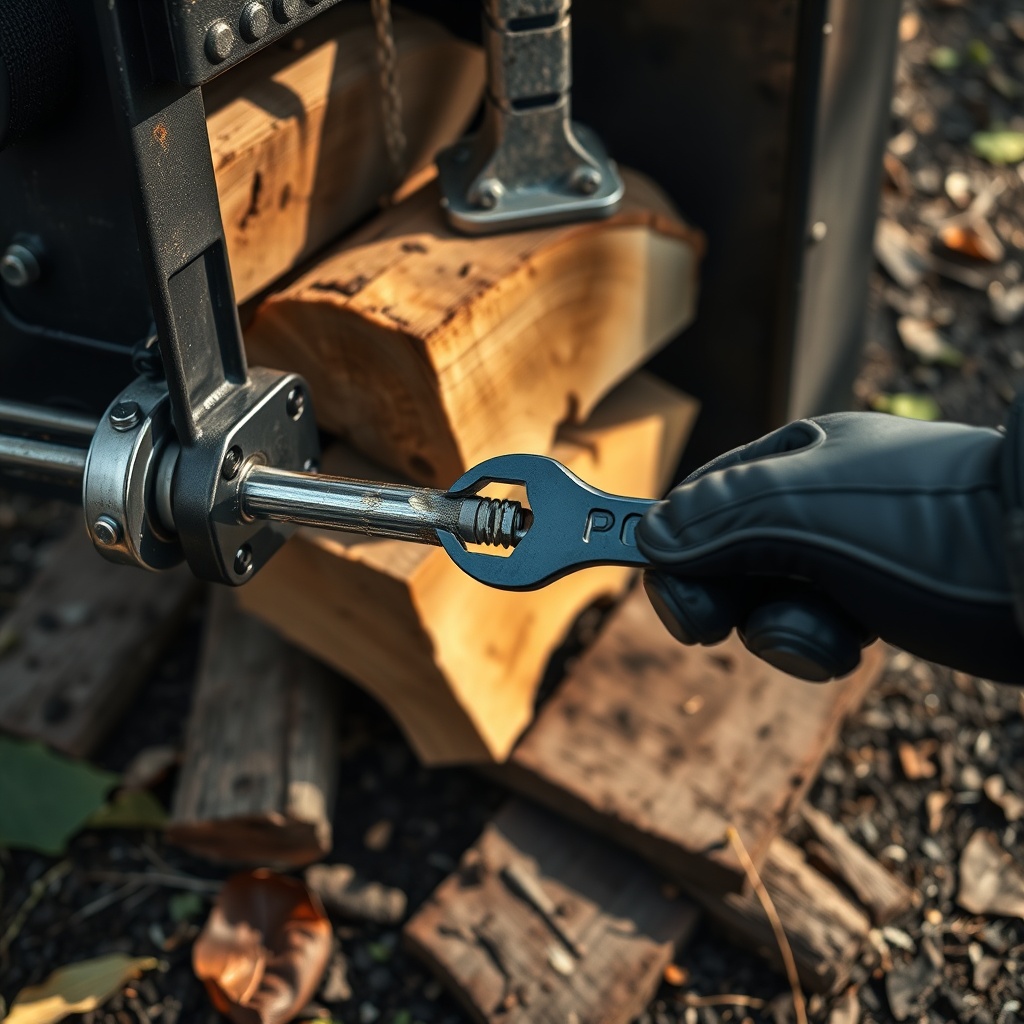
The overall consensus among online forums and dealer reviews is that the hydraulic performance is class-leading but demands disciplined maintenance. Owners who follow the 100-hour filter schedule and use a good AW-32 fluid rarely experience downtime. Those who skip maintenance often pay in cylinder repairs and pump replacements.
Frequently Asked Questions
What is the maximum log diameter the WoodSplitPro can handle?
The machine accepts logs up to 28 inches in diameter in vertical mode and 12 inches in horizontal mode. Larger rounds can be split by first breaking them with a wedge and sledgehammer, though this increases cycle time.
Can a WoodSplitPro use biodegradable hydraulic fluid?
Yes. The manufacturer approves synthetic ester-based environmentally friendly fluids like Mobil EAL Envirez or equivalent. Operators should expect that these fluids may degrade seals slightly faster and require a fluid change every 200 hours instead of 500.
How often should the hydraulic oil be changed?
The standard recommendation is every 500 operating hours or once per season, whichever comes first. Heavier use or dusty conditions may require a change at 300 hours. Always replace the return filter at the same time.
What is the PSI rating for the relief valve?
The factory setting is 2,700 PSI. This should not be increased beyond 3,000 PSI without upgrading the cylinder seals and hoses to SAE 100R12 rated components, which voids the warranty.
Why does my wedge stop in the middle of the stroke?
This is often caused by a low oil level causing the pump to cavitate. Check the sight glass and top off with AW-32 fluid. If the level is adequate, the spool valve may be sticking due to debris from a dirty filter.
Is the WoodSplitPro hydraulic system repairable by a home mechanic?
Basic tasks like changing filters, replacing O-rings, and fixing hoses are straightforward with standard tools. Cylinder seal rebuilds and pump replacement require a hydraulic shop with a press and test bench. Attempting these at home without proper equipment can cause further damage.