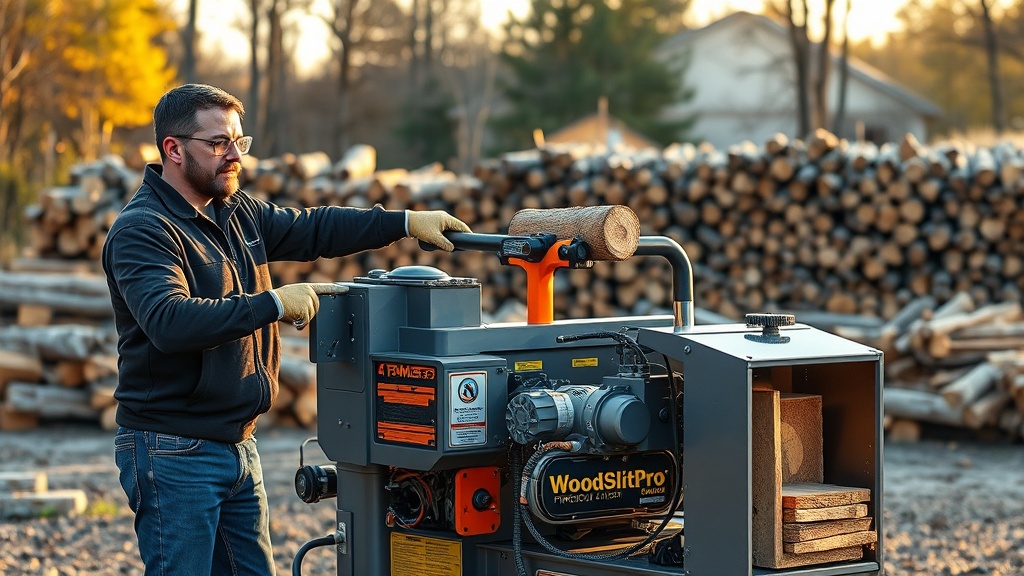
What Does It Mean to Be Safe When Operating a WoodSplitPro?
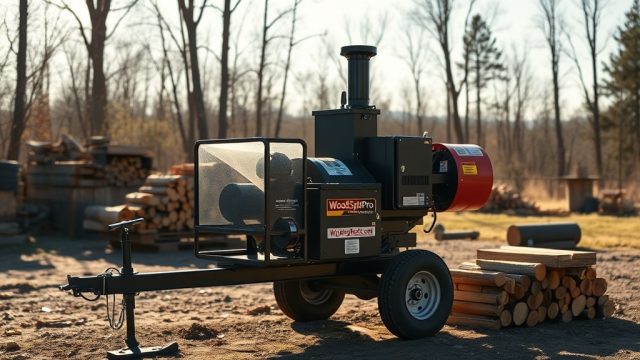
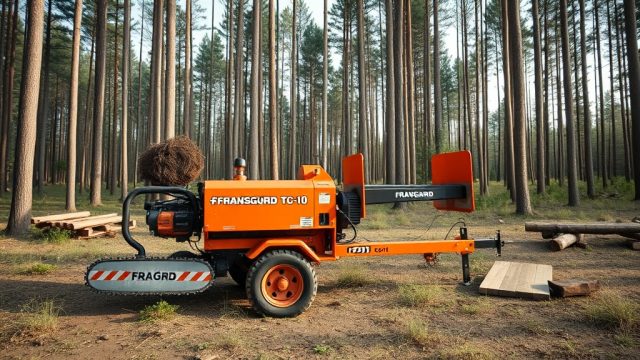
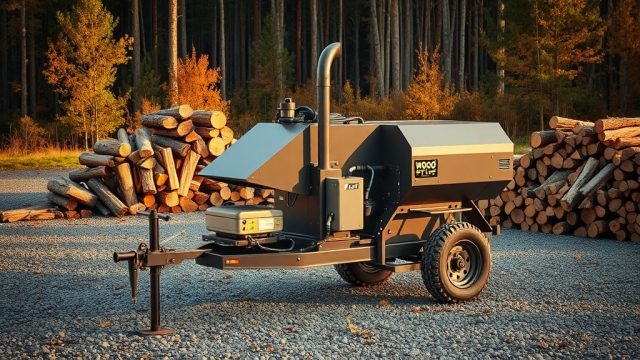
Operating a WoodSplitPro firewood processor requires more than just mechanical know-how; it demands a disciplined approach to safety that every user, from the weekend firewood cutter to the seasoned commercial operator, must respect. The machine’s power—capable of splitting ten to twenty logs per minute—can turn a routine task into a serious hazard if safety protocols are overlooked. This article covers essential safety tips for beginners and pros alike, focusing on the WoodSplitPro’s unique design, hydraulics, and operation.
Whether you’re using a standalone WoodSplitPro unit or a larger processor, understanding the risks—ranging from pinch points to hydraulic fluid burns—is the first step toward preventing accidents. For a deeper dive into maintaining your machine’s safety systems, check out the WoodSplitPro Maintenance Tips: Extend the Life of Your Firewood Processor.
What Are the Immediate Risks Before Starting the WoodSplitPro Engine?
Before you even pull the starter cord or flip the electro-hydraulic switch, a pre-operation inspection can make the difference between a smooth day and a trip to the emergency room. Here are the key risks to address:
- Hydraulic fluid leaks: A loose fitting or cracked hose can spray oil at high pressure, causing skin burns or fires. Inspect all hoses, couplings, and cylinders for wear. Replace any damaged parts immediately.
- Pinch points and moving parts: The log conveyor, splitting wedge, and log lift arms create dangerous zones. Ensure guards are in place and that no bystanders—especially children or pets—are within a 10-foot radius.
- Fuel and electrical hazards: On gas-powered WoodSplitPro models, check for fuel leaks and ensure the battery terminals are tight. For electric models, verify the cord and breaker are rated for the machine’s amperage (typically 15–20 amps at 120V in the US, or 240V for larger units).
- Proper attire: Loose clothing, dangling jewelry, or long hair can catch in rotating parts. Wear snug-fitting work clothes, steel-toed boots, and cut-resistant gloves. Safety glasses are non-negotiable—wood chips and debris fly unpredictably.
A common mistake among pros is rushing the inspection because they’ve “done it a hundred times.” But as any experienced operator will confirm, complacency is the number one cause of preventable accidents. For more details on upgrading your machine’s safety components, see the WoodSplitPro Hydraulics Upgrade Kit: Boosting Performance on Your Firewood Processor.
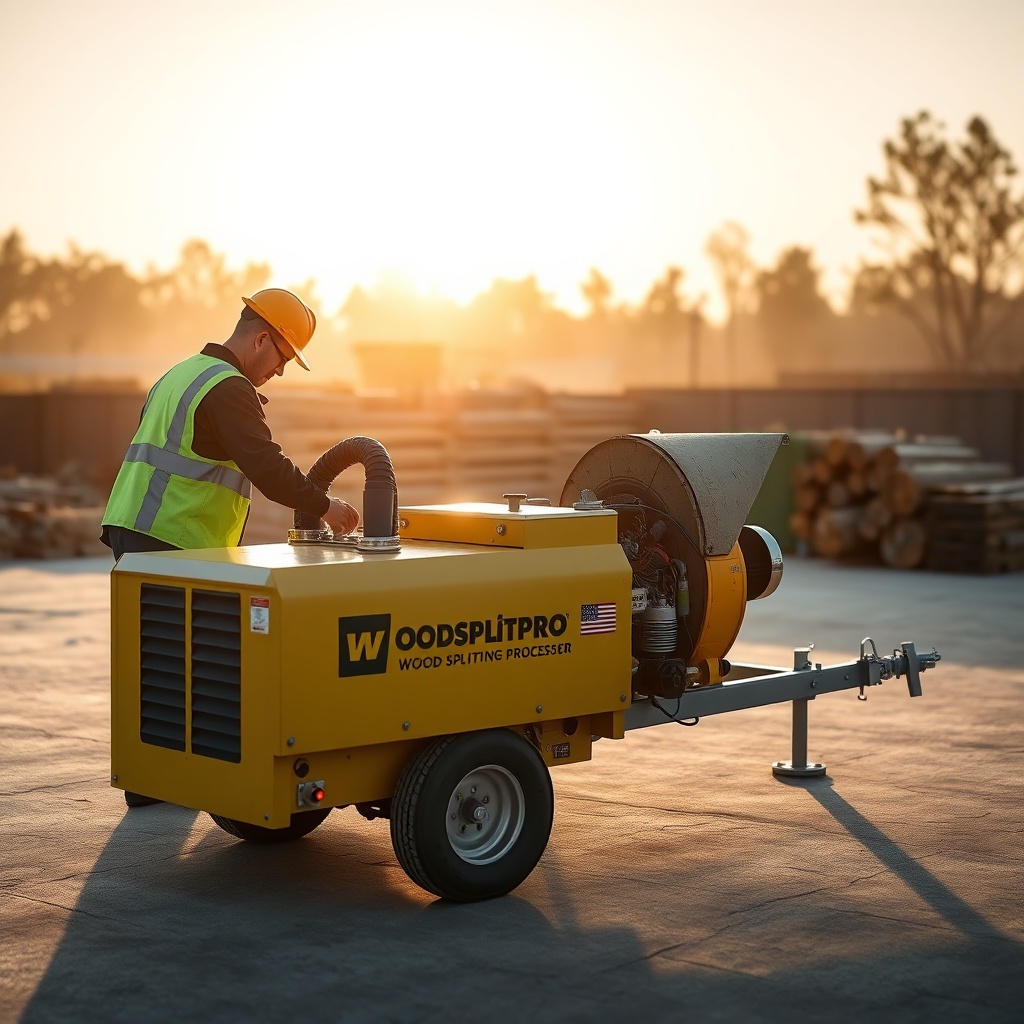
What Is the Proper Log Loading Technique to Avoid Kickback and Crush Injuries?
Log loading is the phase where most injuries occur. Kickback—when a log suddenly pivots or shoots backward—can break fingers or cause lacerations from the wedge. Here’s how to load safely on a WoodSplitPro:
- Always stand to the side: Never stand directly behind the log in the conveyor path. Position yourself at a 45-degree angle so you can control the log without being in the line of fire if the wedge catches a knot.
- Use the log catch or retention arm: Many WoodSplitPro models include a spring-loaded log retention system. Engage it fully before the wedge descends. This prevents the log from sliding off the conveyor.
- Hand placement matters: Keep hands clear of the split zone. The wedge action takes less than a second, and a moment of distraction can cost digits. Use a pusher stick or a long-handled tool for final adjustments.
- Size matters: Never attempt to split a log larger than the machine’s rated capacity (e.g., 24-inch diameter for most mid-range models). Not only does it strain the hydraulics, but it also increases kickback risk.
The WoodSplitPro’s design emphasizes operator positioning. If you feel the machine pushing back or the wedge hesitating, stop immediately and check for a knot or metal debris in the wood. For tips on selecting the right model for your safety needs, read the WoodSplitPro Buying Guide: Key Features to Consider Before Purchase.
How Should Hydraulics Be Handled to Prevent Fluid Injection Injuries?
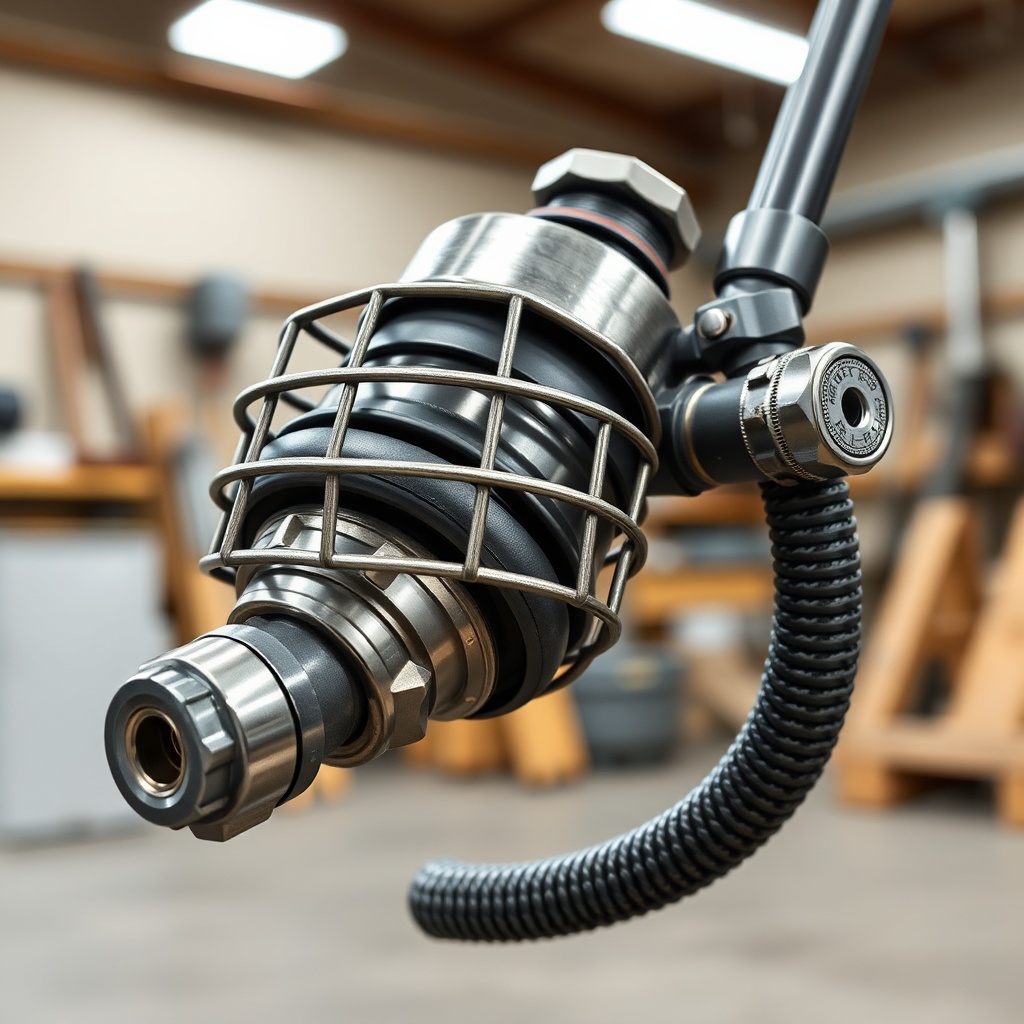
Hydraulic systems on WoodSplitPro processors operate at pressures between 2,000 and 3,500 psi. A pinhole leak in a hose or cylinder can inject fluid into a finger or arm, causing a type of injury called “hydraulic injection” that often requires emergency surgery. Follow these rules:
- Never check for leaks with your hands: Use a piece of cardboard or a wooden stick to feel for leaks while the system is pressurized. If you see a mist of oil, shut the machine off and depressurize before touching.
- Depressurize before servicing: Always relieve system pressure by cycling the remote valve or disconnect switch. On WoodSplitPro models, this typically means turning the key off and moving the wedge through a full cycle to release stored energy.
- Use only rated hoses: When replacing hydraulic lines, ensure they match the original manufacturer’s specifications (e.g., 3/8-inch ID, 3,000 psi rated). Using cheaper hoses can lead to catastrophic failure.
- Hydraulic fluid is hot: After prolonged use (30+ minutes), hydraulic oil can reach 140°F or more. Let it cool or use insulated gloves when checking fluid levels.
The table below outlines severity of common hydraulic incidents to help operators recognize dangerous situations quickly:
| Incident Type | Typical Cause | Severity | Approximate Repair Cost (USD) |
|---|---|---|---|
| Pinhole injection | Worn hose or improper coupling | High (requires surgery) | $5,000–$15,000 |
| Hydraulic hose burst | Exceeding pressure rating | Medium (oil spill, fire risk) | $150–$400 (hose + labor) |
| Fluid burn | Hot oil on skin | Low to Medium | $50–$200 (clean-up, ointments) |
| Cylinder rod scratch | Debris or improper alignment | Medium (oil leak, reduced performance) | $200–$600 (seal replacement) |
For a detailed comparison of hydraulic upgrade kits that include safer connectors and higher-rated hoses, visit the WoodSplitPro Hydraulics Upgrade Kit Comparison for Firewood Processors.
What Are the Essential Personal Protective Equipment (PPE) Requirements for WoodSplitPro Operation?
Personal protective equipment is not optional when running a WoodSplitPro, even for a quick task. The following list covers minimum requirements, with recommendations for higher-visibility and heavy-use operations:
- Safety glasses or goggles: Impact-rated (ANSI Z87.1) are mandatory. Wood chips, bark, and hydraulic oil can strike the eyes at high velocity.
- Hearing protection: WoodSplitPro engines and hydraulics produce noise levels often exceeding 85 dB. Use earplugs (NRR 25+) or earmuffs (NRR 22+).
- Steel-toed boots: Protect feet from falling logs and dropped heavy components. Look for ASTM F2413-rated boots.
- Cut-resistant gloves: At least ANSI Cut Level A3. Avoid loose-fitting gloves that can snag.
- Hard hat (optional for professionals): If working under trees or near overhead hazards, a Type I or Type II hard hat adds protection.
Pros often wear full limb protection sleeves for long days, especially when processing hardwood like oak or hickory. Beginners should invest in a quality set of PPE from the start—savings on gear isn’t worth a medical bill.
How Does a WoodSplitPro Handle Electrical Safety for Electric Models?
Electric WoodSplitPro processors are common for residential and small-scale operations. Electrical safety is different from gas models, focusing on ground fault protection and cord management:
- Use a GFCI outlet: Always plug into a Ground Fault Circuit Interrupter (GFCI) protected outlet. Water, wood dust, or wet ground can create shock hazards.
- Inspect cords regularly: Check for cracks, exposed wires, or melted insulation. Use a 12-gauge or heavier extension cord for runs over 50 feet to prevent voltage drop and overheating.
- Never bypass safety switches: WoodSplitPro electric models have built-in interlock switches that stop the motor if the guard is open. Do not disable these.
- Dry environment: Avoid operating in rain or on wet ground. If the machine gets wet, let it dry completely before use.
If upgrading to a more powerful electric WoodSplitPro, consider a WoodSplitPro Hydraulics Upgrade Kit: Boosting Performance on Any Processor that includes an enhanced power relay and safer wiring connections.
What Owners Say About Safety on WoodSplitPro Machines
Operators across the United States and Canada consistently praise the WoodSplitPro’s safety-oriented design features, such as wedge locks and hydraulic relief valves. A commercial logger in Oregon notes: “The guard system on my WoodSplitPro is far better than the old brand I ran. I can work a full season without feeling the machine will surprise me.” A homeowner in Vermont adds: “I bought the $3,500 entry-level model. The kickback prevention—thanks to the retention arm—has saved my fingers twice. I always tell newbies to read the manual and invest in good gloves.”
Common complaints center on the learning curve for hydraulic pressure settings, but users say the WoodSplitPro Maintenance Tips: Extend the Life of Your Firewood Processor guide helps them adjust safely. Overall, WoodSplitPro owners report lower injury rates compared to other processors under $10,000.
Frequently Asked Questions
What is the first step after unboxing a new WoodSplitPro?
Read the entire operator’s manual—especially the safety and setup sections. Check all bolts and hydraulic fittings for tightness. Then, perform a dry cycle without wood to ensure all systems operate smoothly.
Can children or teenagers use a WoodSplitPro?
No. Only trained adults aged 18 and over should operate the machine. Minors lack the physical strength, judgment, and reaction time to handle the equipment safely.
How often should I replace the hydraulic fluid in my WoodSplitPro?
Change the fluid every 200–300 hours of operation, or at least once per season. Use AW46 or AW32 hydraulic fluid as specified. Contaminated fluid can cause valve sticking and hose failures.
What should I do if I get a hydraulic fluid injection injury?
Seek emergency medical attention immediately. Do not wait for symptoms to develop. Tell the physician it is a hydraulic injection injury, as it requires specialized treatment to prevent tissue necrosis.
Why does my WoodSplitPro wedge stop mid-split?
This could be due to overload safety shutoff triggered by a knot or oversized log. Release the control and let the wedge return. If it persists, check hydraulic pressure settings and valve relief adjustments.
Is it safe to operate a WoodSplitPro on a slope?
Only on slopes less than 5 degrees. Steeper inclines increase the risk of the machine tipping, log rollback, and hydraulic fluid level issues. Always use wheel chocks and a leveling block.