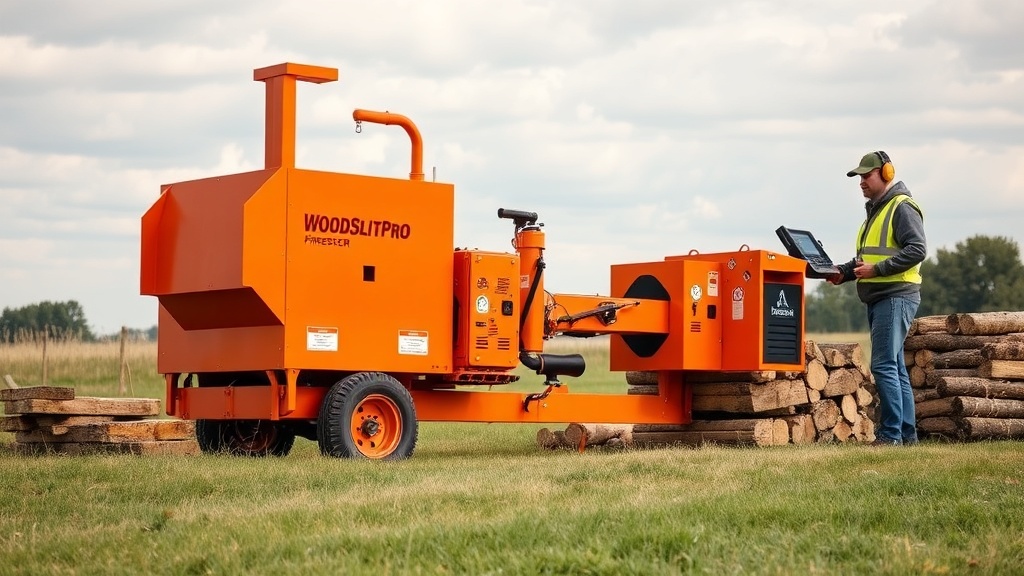
Why Are WoodSplitPro Safety Tips Critical for Every Operator?
Operating a WoodSplitPro firewood processor demands constant vigilance. With powerful hydraulics turning logs into split wood in seconds, a simple lapse can lead to serious injury. This guide provides essential safety tips applicable to beginners and seasoned pros alike, covering everything from pre-operation checks to best practices for maintenance.
Whether you rely on a WoodSplitPro for commercial production or personal use, understanding the machine’s capabilities—including its hydraulic pressure systems and moving parts—is the first step toward a safe working environment. A proactive approach to safety protects both the operator and the equipment investment.
What Personal Protective Equipment (PPE) Do I Need?
Before starting any WoodSplitPro, proper PPE is non-negotiable. Flying wood chips, hydraulic fluid leaks, and pinch points require full-body protection.
- Safety Glasses or Face Shield: Impact-resistant and anti-fog. Protects eyes from wood debris and fluid splatter.
- Hearing Protection: Most WoodSplitPro models operate at 85–95 decibels. Use earplugs or earmuffs rated for at least 22 dB reduction.
- Cut-Resistant Gloves: Leather or Kevlar-palmed gloves prevent cuts when handling split wood. Avoid loose-fitting gloves near moving parts.
- Steel-Toe Boots: Protect feet from falling logs and heavy components. Non-slip soles are essential on wet or oily surfaces.
- Durable Clothing: Long pants and a long-sleeve shirt prevent scratches. Avoid hoodie strings or loose accessories that could catch.
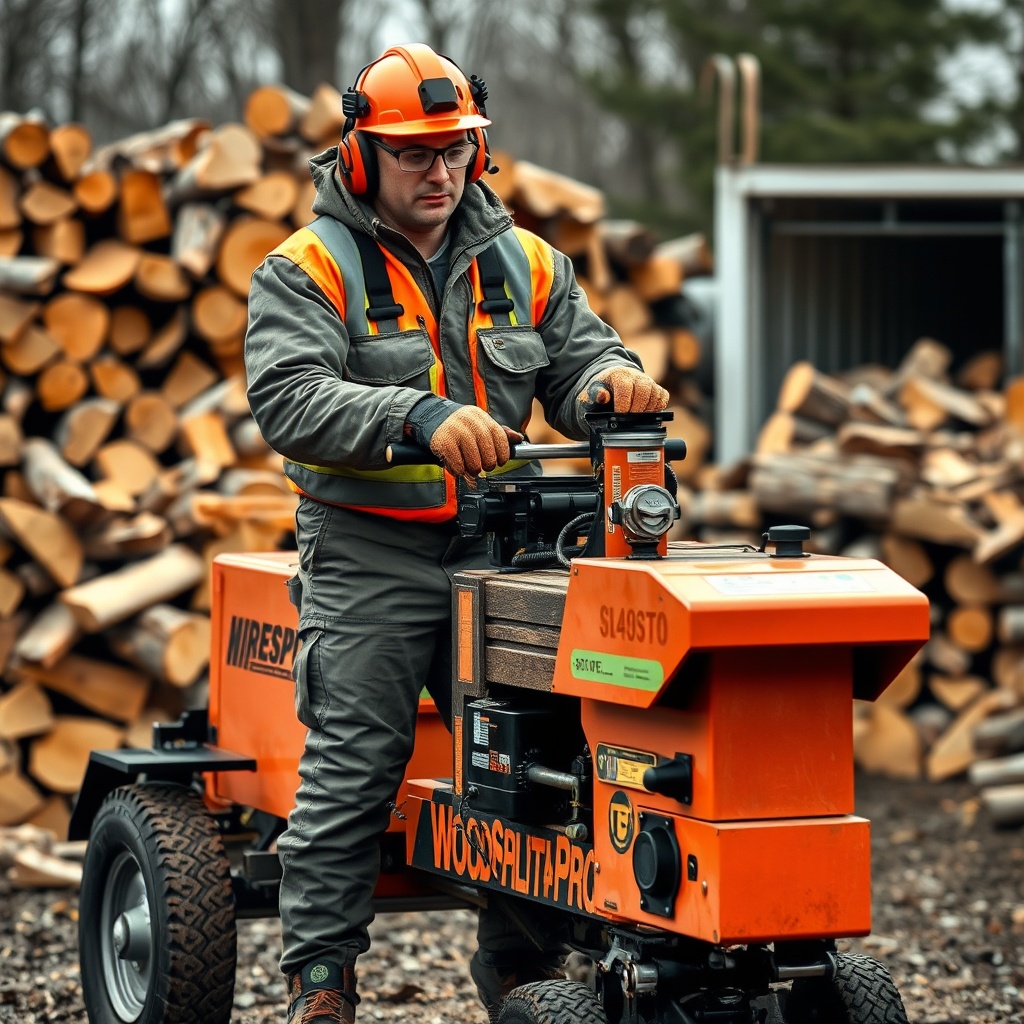
According to industry data, PPE reduces injury severity by 60% in firewood processing accidents. Always inspect gloves and glasses for cracks or wear before daily use.
How Should I Set Up the Work Area for Maximum Safety?
The environment around a WoodSplitPro directly impacts safety. Choose a flat, stable surface free of tripping hazards. Level the processor using its built-in jacks to prevent tipping during operation.
- Clear Zone: Maintain at least 10 feet of clearance around the machine for movement and debris fall.
- Fire Prevention: Do not operate near dry grass, stacks of kindling, or fuel storage. Hydraulic lines can leak fluid onto hot surfaces.
- Weather Awareness: Avoid wet or icy conditions. Wood processors become slick, and operator footing is more vulnerable.
- Lighting: If working early or late, ensure bright, even lighting to see hydraulic components and wood positioning.
For more details on selecting the right model for your property, see the WoodSplitPro Buying Guide: Key Features to Consider Before Purchase. A proper setup includes knowing your machine’s capacity and limits.
What Pre-Operation Checks Are Essential on a WoodSplitPro?
A thorough inspection before each use prevents mechanical failures that lead to accidents. Focus on three critical areas: hydraulics, structure, and controls.
| Component | Check Point | Severity if Ignored | Recommended Action |
|---|---|---|---|
| Hydraulic fluid level | Check for leaks at connections and pumps | High – sudden loss of pressure causes uncontrolled movements | Top up with recommended oil; replace damaged hoses immediately |
| Splitter wedge and beam | Inspect for cracks, wear, or debris buildup | Medium – wedge breakage can launch projectiles | Clean wedge; replace if chipped or bent |
| Safety guards and shields | Are all chain guards, belt covers, and hydraulic shields in place? | Critical – exposed moving parts can cause entanglement | Replace missing guards; tighten loose fasteners |
| Controls and emergency stop | Does the emergency stop (E-stop) function properly? | Critical – failure to stop can cause run away | Test E-stop before every session; service control levers for smooth operation |
| Tires and frame | Check tire pressure and frame bolts for tightness | Medium – unstable platform increases tip-over risk | Inflate to 35 PSI; torque frame bolts to 60 ft-lbs |
Always refer to the WoodSplitPro user manual for specific torque values and fluid specifications. A five-minute pre-op check can save hours of downtime and prevent injuries. For advanced users, the WoodSplitPro Hydraulics Upgrade Kit: Boosting Performance on Any Processor can improve reliability but requires careful installation per safety protocols.
How to Safely Operate the WoodSplitPro During Splitting?
Operating a WoodSplitPro demands focus. Follow these steps to reduce risk while maintaining productivity.
- Log Positioning: Always feed logs lengthwise into the splitting area. Never attempt to split cross-grain or oversized pieces that exceed the wedge size.
- Two-Handed Control: Use both hands to operate levers when the machine requires it. Keep hands away from the wedge and log cradle during cycle.
- Staying Clear: Never reach into the splitting zone while the wedge is moving. Wait for a full return stroke before handling split wood.
- Hydraulic Pressure Awareness: Do not exceed manufacturer PSI limits. Overpressure can burst hoses and cause sudden, violent movements.
- E-stop Access: Know the location of the emergency stop. Test it weekly to ensure it cuts power immediately.
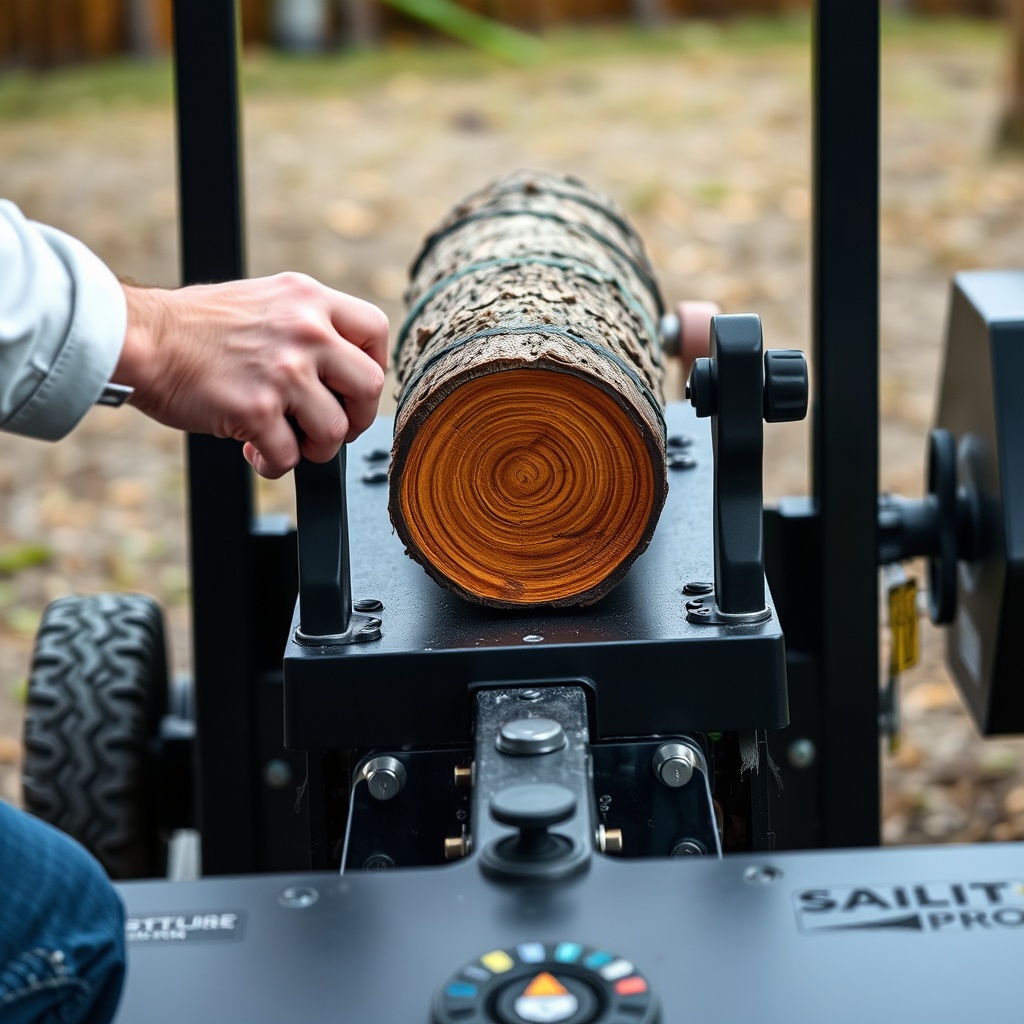
Seasoned pros often adjust cycle speed based on wood hardness. For upgrades that enable variable speed control, consider the WoodSplitPro Hydraulics Upgrade Kit: Boosting Performance on Any Processor. However, always stop the machine before making any adjustments.
What Routine Maintenance Prevents Accidents?
Regular maintenance keeps WoodSplitPro safe and efficient. Neglecting upkeep leads to component wear that increases injury risk.
- Hydraulic System: Replace hydraulic fluid every 250 hours or annually. Check for milky oil, indicating water contamination. Replace filters per schedule.
- Bolt Torque: Check wedge, beam, and mounting bolts monthly. Loose components cause misalignment and dangerous kickback.
- Lubrication: Grease pivot points and wedge guides every 8 hours of use. Use lithium-based grease for high-load areas.
- Blade Sharpening: A dull wedge forces the operator to apply more force, increasing risk. Sharpen or replace blades when splitting requires excessive pressure.
- Electrical Systems: Inspect wiring for chafing or corrosion. Secure loose wires that could short-circuit controls.
For a detailed schedule, read WoodSplitPro Maintenance Tips: Extend the Life of Your Firewood Processor. Proper maintenance also supports aftermarket upgrades, such as those outlined in the WoodSplitPro Hydraulics Upgrade Kit Comparison for Firewood Processors. Always lock out/tag out before performing any servicing.
What Owners Say: Real-World Safety Experiences
Owners of WoodSplitPro processors consistently emphasize the value of slow and steady operation. One commercial operator from Pennsylvania noted: “We run our WoodSplitPro eight hours a day. The biggest lesson is never to rush when clearing jams. We saw a near miss from a coworker reaching in too fast—his E-stop training saved his fingers. We now require everyone to wait for full cycle stop before any manual clearing.”
Another user in the Pacific Northwest shared: “The pre-op check table is gospel to me now. I found a cracked hydraulic hose during my inspection. If I had started, it would have burst and sprayed oil into the work area. That kind of leak can cause a slip or fire. I can’t recommend enough to check hoses weekly.”
A third testimonial from a part-time user: “As a beginner, I thought safety was overkill until I hit a knot and the wedge bounced back. I was wearing my gloves and glasses—thankfully. That experience showed me why guard placement matters. Now I have my family trained on the same rules.”
Frequently Asked Questions
1. Can I operate a WoodSplitPro alone?
Yes, but it is recommended to have a spotter for larger logs or when operating on uneven terrain. Always ensure the emergency stop is within reach.
2. What should I do if hydraulic fluid leaks on the ground?
Stop operation immediately. Clean the spill with absorbent material and inspect the hose or fitting. Replace damaged components before resuming. Fluid on the ground creates a slip hazard and is environmentally hazardous.
3. How often should I replace the hydraulic filter?
Every 250 hours of operation or annually, whichever comes first. If you notice sluggish splitting or unusual noise, replace it sooner. Refer to your WoodSplitPro manual for specific filter part numbers.
4. Is it safe to split wood with knots or twisted grain?
Yes, but reduce cycle speed and ensure the log is stable. Hard knots can cause the wedge to jam or kick. If the wedge stalls, press the E-stop and manually clear the jam—do not try to force through.
5. Are there any safety upgrades available for older models?
Yes. The WoodSplitPro Hydraulics Upgrade Kit: Boosting Performance on Your Firewood Processor includes upgraded pressure relief valves and hose guards that improve safety margins.
6. What is the most common injury with firewood processors?
Hand and finger injuries from reaching into the splitting zone during operation. Always use the push stick or wait for a full cycle stop. Wearing cut-resistant gloves is mandatory per most injury reports.